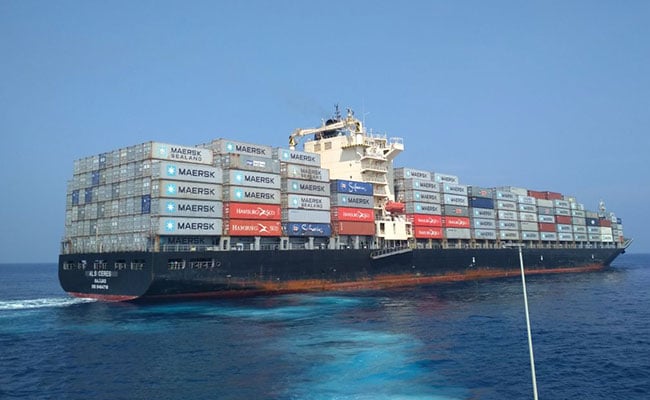
The UK Maritime Trade Operations (UKMTO) just flagged a high-stakes encounter near the Strait of Hormuz that should put every global logistics manager on edge. A merchant vessel reported being surrounded and harassed by multiple small craft in one of the world's most sensitive chokepoints. This isn't just another blip on a radar screen. It’s a loud reminder that the "security" we take for granted in global trade is thinner than you think.
If you're watching oil prices or wondering why your overseas shipment is delayed, this incident is the smoking gun. The Strait of Hormuz handles about 20% of the world's total oil consumption. When small, fast-attack craft start buzzing cargo ships like hornets, the insurance premiums go up, the captains get nervous, and the entire global supply chain feels the squeeze.
What actually happened near the Hormuz Strait
According to the UKMTO report, the merchant ship was transiting the waters near the Strait when it was approached by several small vessels. These aren't huge warships. They're usually fast, agile boats that use "swarm tactics" to confuse and intimidate much larger, slower tankers.
The report indicates that these craft followed the merchant vessel for a significant period. While no shots were fired in this specific instance, the intent was clear: harassment and reconnaissance. In these waters, a small boat can carry anything from a megaphone to a rocket-propelled grenade. For a crew sitting on millions of gallons of combustible fuel, that’s a nightmare scenario.
I’ve seen this play out before. These incidents usually follow a pattern. The small boats approach within a few hundred yards, zig-zagging to see how the merchant crew reacts. They want to know if the ship has private armed security on board. They’re testing response times of regional navies. It's a game of cat and mouse where the mouse is a 100,000-ton steel giant and the cat is a fleet of fiberglass speedboats.
Why the UK Military is involved
You might wonder why a British military agency is reporting on a ship that might not even be flying a UK flag. The UKMTO acts as a primary point of contact for merchant vessels and a liaison with military forces in the region. They provide the "eyes and ears" for the maritime industry.
The area is constantly patrolled by International Maritime Security Construct (IMSC) forces and other coalitions. When the UKMTO issues an alert, it’s a signal to every other ship in the vicinity to dial up their security levels to "high." It means the bridge needs extra lookouts. It means the fire hoses should be pressurized and ready to repel boarders.
The Strait of Hormuz is a geographic bottleneck. At its narrowest, the shipping lanes are only two miles wide. You can't just "swerve" to avoid trouble. You're stuck on a predictable path, which makes these swarm attacks particularly effective.
The bigger picture of maritime instability
This isn't happening in a vacuum. We’ve seen a massive uptick in maritime interference over the last few years. Between Houthi rebel drone strikes in the Red Sea and Iranian naval boardings in the Gulf, the "blue economy" is under fire.
The tactic of using small boats is a classic example of asymmetric warfare. It’s cheap. It’s effective. It forces a billion-dollar navy to burn thousands of dollars in fuel and man-hours to counter a boat that costs less than a used mid-sized sedan.
Industry experts at firms like Dryad Global have been screaming about this for months. They point out that even "minor" harassment leads to "risk fatigue." When crews get used to being buzzed by small boats, they might miss the one time those boats actually intend to board. That’s when kidnappings or vessel seizures happen.
The cost of doing business in a danger zone
Let’s talk about your wallet. When the UKMTO reports an attack, the "War Risk" insurance premiums for the region spike.
Shipping companies don't just eat those costs. They pass them to you.
- Higher fuel costs: Ships might take longer routes to stay in safer waters.
- Security surcharges: Paying for private maritime security teams (PMST) adds tens of thousands to a single voyage.
- Crew bonuses: Sailors rightfully demand "hazard pay" for sailing through zones where small craft are actively harassing traffic.
If you think this doesn't affect you because you aren't in the shipping business, check the price of gas or the cost of electronics next month. It's all connected to the safety of these narrow strips of water.
How crews are fighting back without firing a shot
Most merchant ships aren't allowed to carry heavy weapons. Instead, they rely on "Best Management Practices" (BMP5). It sounds like corporate speak, but it’s actually a survival manual.
Crews use high-pressure water cannons to keep small boats from getting close enough to throw boarding ladders. They wrap the railings in razor wire. They use Long Range Acoustic Devices (LRADs) that emit a sound so painful it physically forces people to turn away.
But these defenses only work if the crew is alert. The real danger of these swarm attacks is the psychological toll. Imagine being on watch for 12 hours, staring at a dark horizon, knowing that at any moment, six fast boats could emerge from the shadows. It wears people down.
What you need to do if you have skin in the game
If you’re involved in international trade or logistics, stop assuming "business as usual." The Hormuz Strait is a volatile variable.
First, audit your supply chain routes. If your goods are moving through the Persian Gulf, you need to account for potential 48-to-72-hour delays for "security maneuvers." Second, talk to your freight forwarders about their contingency plans. Do they have alternative routes? Are they using carriers that invest in high-level on-board security?
Don't wait for a ship to actually get hijacked before you realize the risk has shifted. The UKMTO alert is the warning shot. Pay attention to it. Monitor the daily briefings from maritime security centers and ensure your insurance coverage specifically handles "malicious interference" and not just "act of war." The line between the two is getting blurrier every day.
Keep your eyes on the maritime corridors. The next few weeks will determine if this was an isolated stunt or the start of a coordinated campaign to choke the Strait.