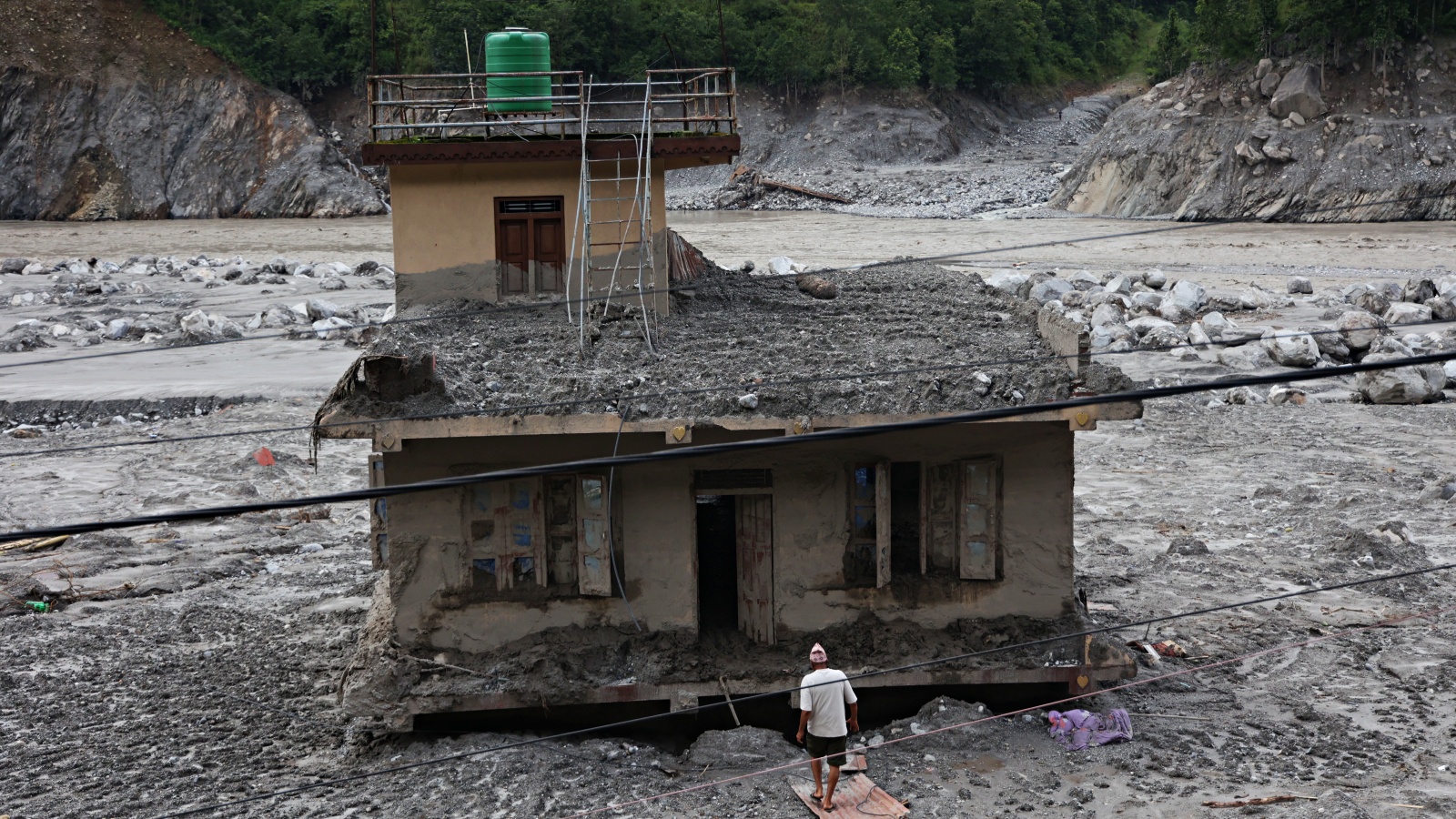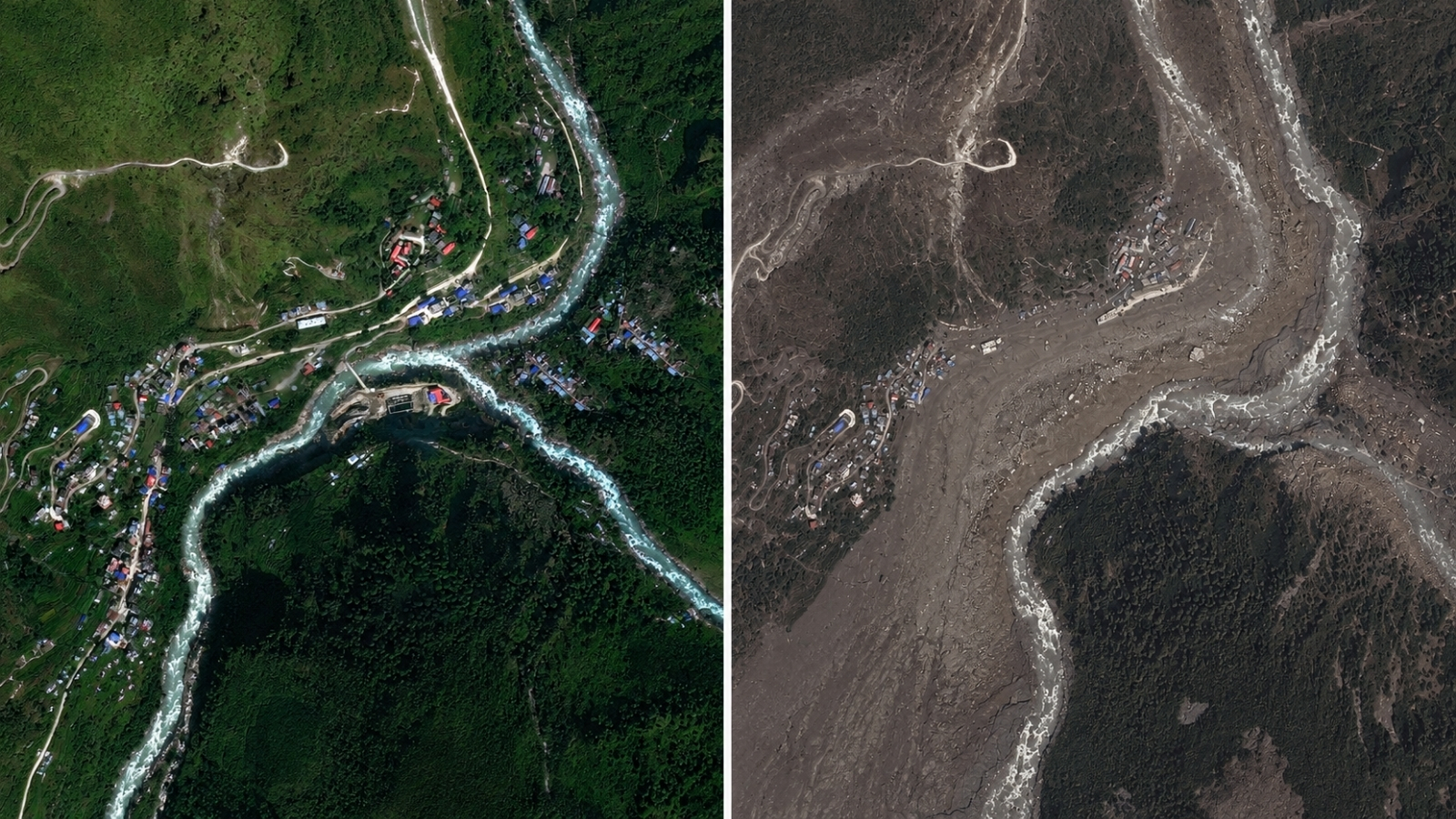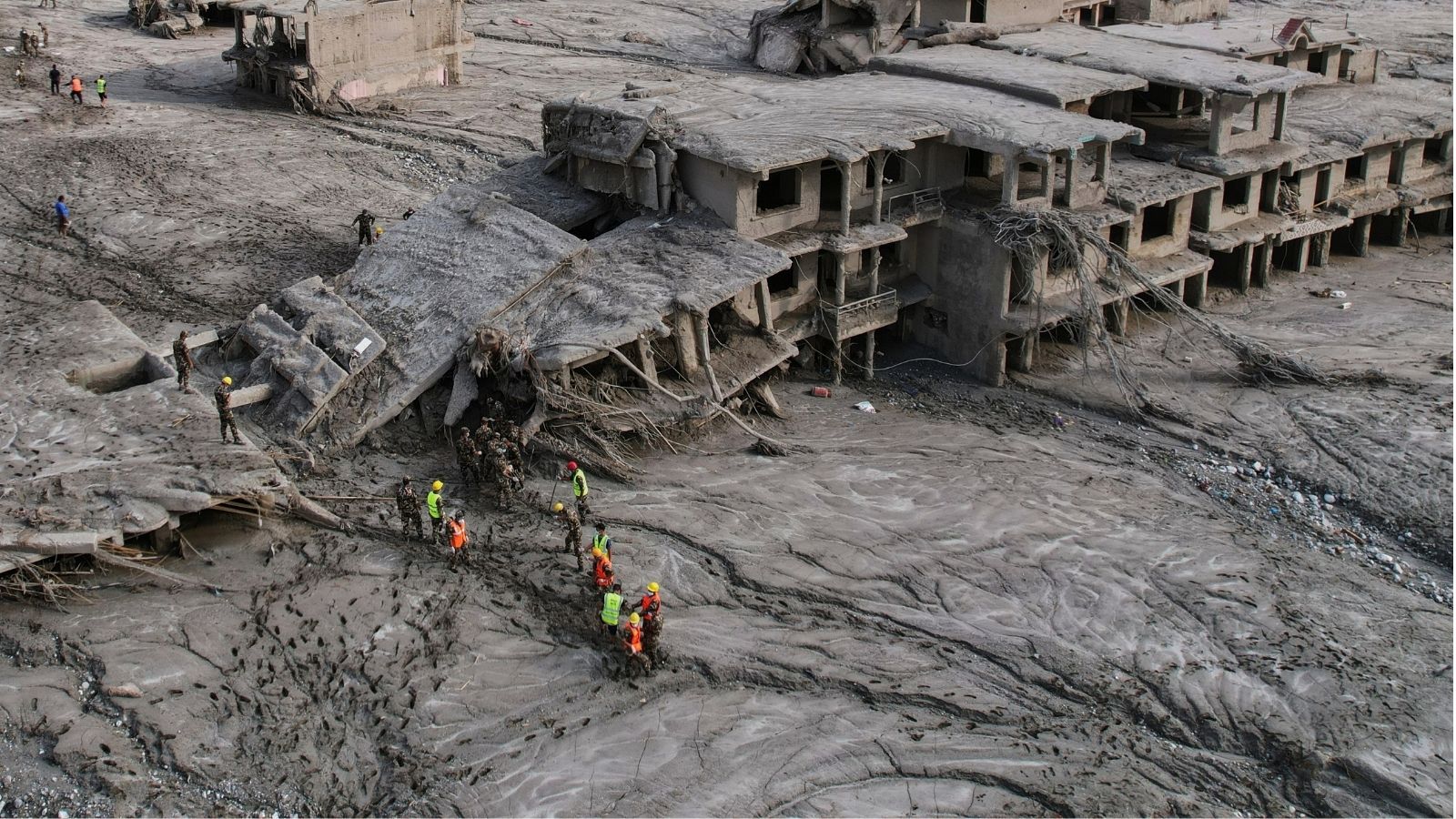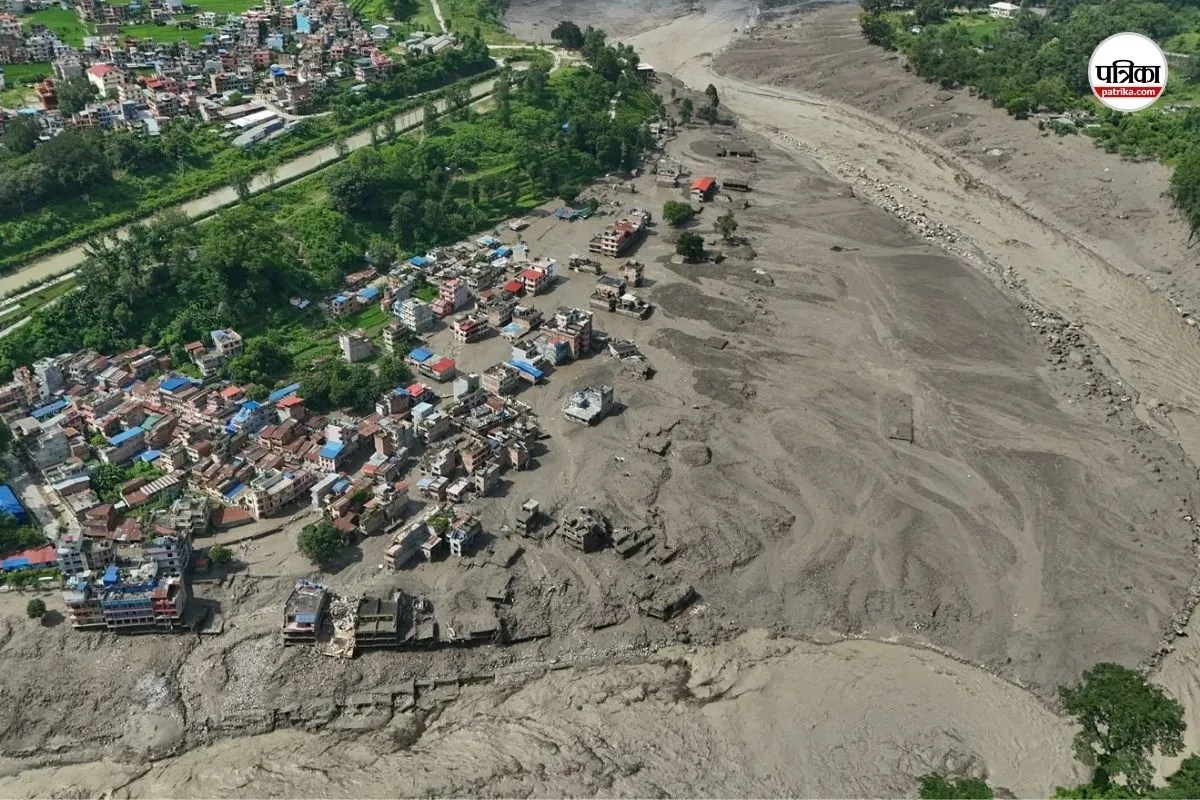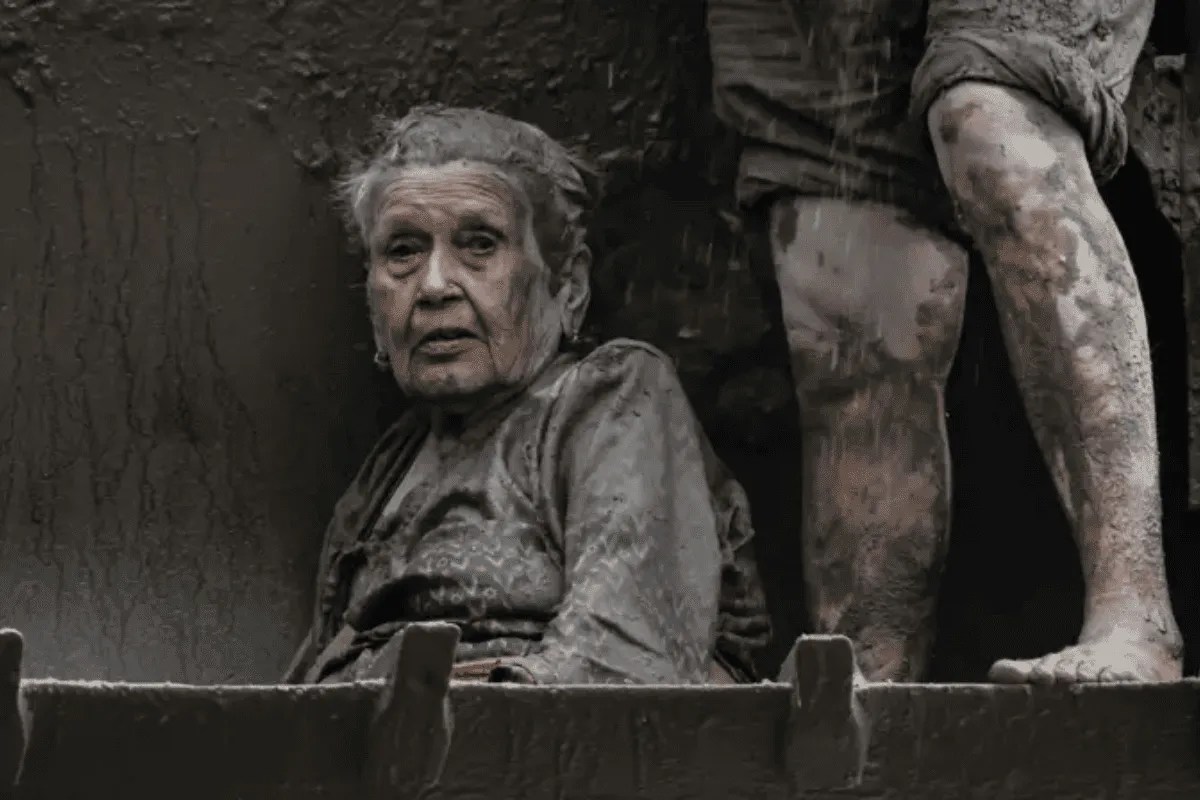
A ninety-seven-year-old woman emerged alive from the shattered concrete of her home in Nepal after enduring countless hours trapped beneath heavy debris following a catastrophic earthquake. This miraculous survival story captured international attention, yet the true mechanics of how elderly bodies endure structural collapse remain poorly understood by the public and disaster planners alike. Human resilience under extreme physical trauma defies standard medical expectations. When disaster strikes fragile Himalayan terrain, the intersection of architectural vulnerability, emergency response latency, and physiological endurance determines who lives and who becomes a statistic.
The Anatomy of Survival Under Concrete
Surviving structural collapse depends on physics, cellular biology, and pure chance. When a building caves in, it rarely reduces to uniform dust. Floors pancake, walls shear at acute angles, and furniture creates tiny protective pockets known as void spaces.
For a nonagenarian, the margin for error is razor-thin. Dehydration kills faster than starvation, but restricted movement and compressive asphyxia pose immediate threats. The body enters a state of profound shock. Adrenaline floods the system, temporarily masking injuries while metabolic demands plummet to conserve oxygen.
Physical vulnerability in older adults usually implies rapid systemic failure during trauma. However, a lifetime of manual labor or simply living in rugged terrain often hardens bone density and cardiovascular resilience beyond what urban models predict. Low-calorie diets throughout a long life can ironically reduce metabolic stress on trapped organs.
Medical teams on the ground note that older survivors trapped for long intervals frequently display remarkable psychological compartmentalization. They do not panic. Panic burns vital oxygen and accelerates dehydration. Instead, they slip into a state of physiological preservation, conserving every breath until heavy machinery or bare hands finally break through the dust.
The Reality of Mountain Rescue Operations
Rescue operations in Nepal face geographical hurdles that modern urban emergency planners cannot fathom. Roads fracture instantly. Bridges vanish into swollen rivers. Heavy excavation equipment cannot be airlifted into remote mountain valleys without weeks of logistical preparation.
First responders rely on localized knowledge and hand tools during the critical golden hours immediately following a seismic event. Neighbors become the primary emergency response unit. When formal state infrastructure fails or stalls due to severed communication lines, survival depends entirely on community-level preparedness.
Village structures built from unreinforced masonry or heavy slate roofs provide zero structural integrity during a high-magnitude tremor. Traditional building methods, once sustainable, become death traps when subjected to tectonic stress. Retrofitting these homes is economically unfeasible for rural families surviving on subsistence farming.
International aid arrives slowly to remote districts. Bureaucratic bottlenecks, customs delays for specialized rescue gear, and treacherous mountain weather routinely strand international search teams in Kathmandu while local villagers dig with shovels and bare hands. The gap between disaster declaration and tactical execution on the ground highlights deep systemic flaws in global disaster response frameworks.
What Disaster Statistics Actually Hide
Aggregate data regarding earthquake casualties obscures the individual human cost and the specific vulnerabilities of marginalized demographics. Ageism in emergency planning often dictates resource allocation. Triage protocols frequently prioritize younger victims under the cold calculus of statistical recovery rates.
Stories of elderly survivors challenge these utilitarian triage models. Every saved life, regardless of age, disrupts the sterile mathematics of disaster management. Yet, emergency protocols rarely account for the specific nutritional, thermal, and psychological needs of geriatric survivors once they are pulled from the rubble.
Hypothermia claims more lives in Himalayan nights than the initial impact. A frail body stripped of thermal regulation tools freezes quickly beneath concrete slabs. Emergency blankets and basic intravenous fluids are rarely standard issue in rural frontline medical kits.
Reengineering Community Resilience
Preventing future tragedies requires a shift away from reactive international aid toward localized structural fortification. Engineers have developed low-cost seismic bands and wire-mesh reinforcement techniques that keep traditional stone walls from exploding outward during tremors.
Training local youth in urban search and rescue protocols bridges the gap between catastrophe and the arrival of professional teams. Time is the singular variable that cannot be replaced. Every minute saved in excavation directly correlates with survival rates, particularly for vulnerable populations whose physiological reserves are already depleted by age.
The elderly woman who defied the odds in Nepal is not merely an anomaly to be celebrated in a headline. She is a glaring indicator of human endurance pitted against institutional unpreparedness. Until mountain infrastructure matches the seismic reality of the region, survival will remain a matter of improbable luck rather than systemic protection.