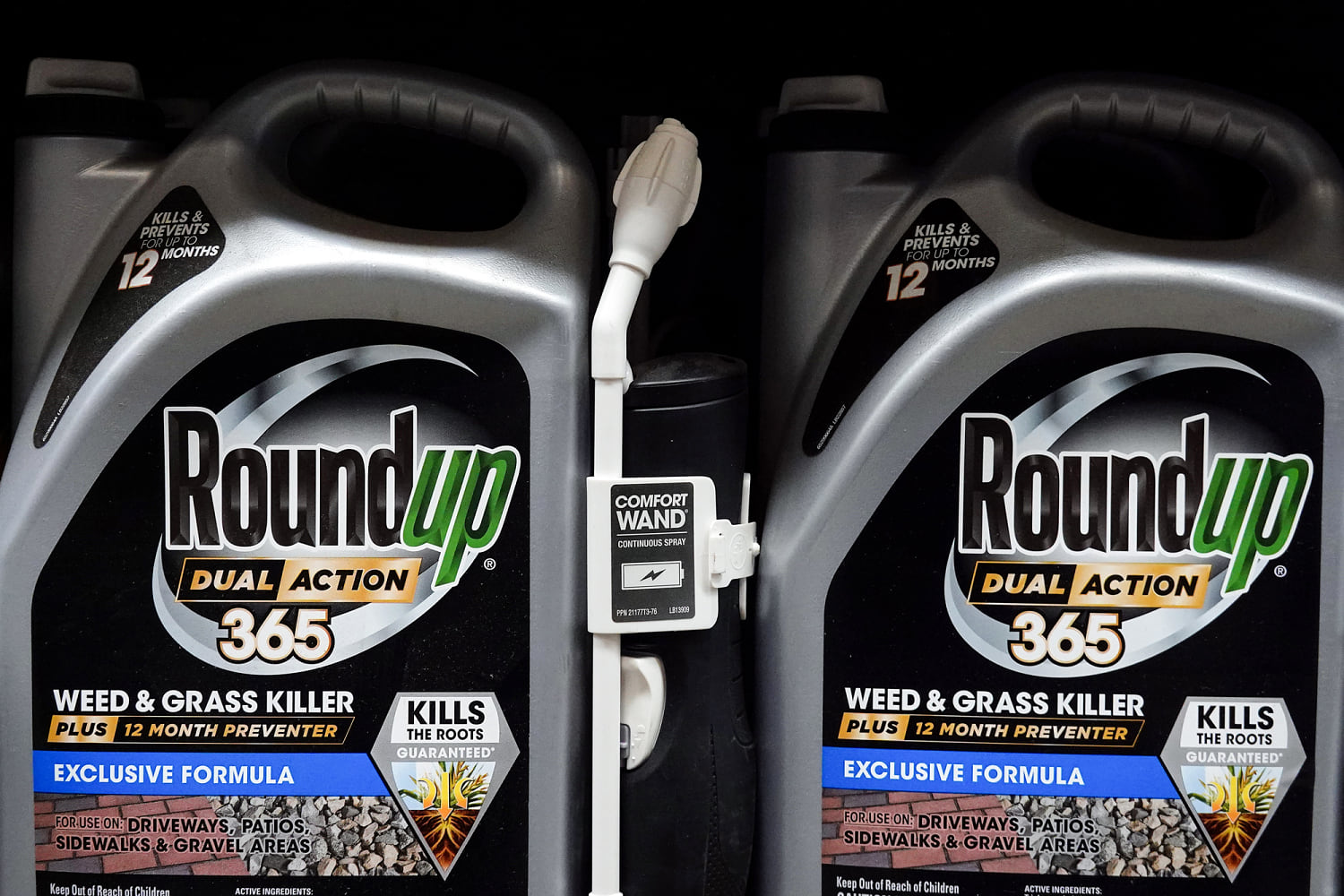
The Supreme Court just handed a massive victory to corporate agriculture, and it has left the Make America Healthy Again movement reeling. In a 7-2 decision, the high court ruled that federal law shields Monsanto from state-level lawsuits claiming its Roundup weed killer causes cancer. If you have been following the rising influence of MAHA leaders in Washington, you know this hurts. They have spent months campaigning against toxic chemicals in our food and environment. Now, the highest court in the land just shut the courthouse door on the very people trying to hold chemical companies accountable.
This ruling in Monsanto Co. v. Durnell changes everything for product liability. The court decided that because the Environmental Protection Agency does not require a cancer warning on Roundup, states cannot force companies to add one. Justice Brett Kavanaugh, writing for the majority, made it clear that federal labeling laws override state rules. This concept of federal preemption means if the EPA says a product is fine, a state jury cannot decide otherwise. It is a devastating setback for thousands of plaintiffs who believe their illness traces back to glyphosate.
The Growing Rift Between MAHA Leaders and the Trump Administration
The decision highlights a glaring political contradiction. MAHA leaders like Kelly Ryerson, known online as "Glyphosate Girl," have been pushing to clean up America's chemical-soaked agricultural system. Yet the Trump administration actually backed Monsanto in this case. The Department of Justice filed arguments supporting the chemical giant, claiming the EPA has ultimate authority over pesticide labels.
This creates an intense political headache. Activists who joined the MAGA coalition under the promise of a healthier America now feel completely betrayed. Ryerson called the administration's involvement unforgivable. Independent toxicologist Alexandra Munoz noted that the ruling is now top of mind for everyone in the movement. They thought they had a seat at the table to fight chronic disease. Instead, the administration protected the chemical industry.
The political fallout is just beginning. MAHA advocates argue that the EPA relies on flawed, industry-funded science. They point to the World Health Organization's International Agency for Research on Cancer, which classified glyphosate as probably carcinogenic back in 2015. But the EPA dug its heels in, stating that the chemical is unlikely to cause cancer when used as directed. By siding with the EPA, the Supreme Court validated an agency that MAHA leaders believe is deeply captured by corporate interests.
What the Durnell Case Means for Future Victims
The face of this historic battle is John Durnell. The 75-year-old St. Louis resident spent two decades spraying Roundup in his neighborhood parks. When he developed non-Hodgkin lymphoma, he sued. A Missouri jury awarded him $1.25 million in 2023, agreeing that Monsanto failed to warn him of the risks. Thanks to the Supreme Court, Durnell will never see that money. His cancer is thankfully in remission, and he says he will be fine without the cash, but his legal victory is wiped out.
Durnell's case was the domino that Bayer needed to stop. Bayer bought Monsanto for $63 billion in 2018 and has been drowning in litigation ever since. They have already shelled out more than $10 billion trying to settle state-level cases. Immediately after the ruling, Bayer shares jumped nearly 20 percent. CEO Bill Anderson praised the decision, saying it brings regulatory clarity for farmers who feed the world.
But for regular citizens, the courtroom was the only place where everyday people could challenge giant corporations. Juries served as a crucial check on corporate power. When federal regulators failed to act, a jury could look at internal corporate documents and hold executives accountable. This ruling strips away that power. It does not just stop current lawsuits. It sets a dangerous precedent for other toxic chemicals, like paraquat, which critics link to Parkinson's disease.
How to Protect Yourself and Act Now
Do not wait for the federal government to protect your health. If you want to limit your exposure to glyphosate and support a cleaner food system, you need to take immediate, practical steps in your daily life.
Buy organic whenever possible. Glyphosate is heavily used on conventional crops like wheat, oats, and soy as a drying agent right before harvest. Choosing certified organic products is the easiest way to keep these residues off your plate.
Stop using chemical weed killers on your lawn. Durnell's story shows that routine exposure in your backyard or local parks builds up over decades. Switch to mechanical weeding, boiling water, or vinegar-based solutions to manage your garden.
Get involved locally. Since state courts can no longer penalize companies for missing warning labels, local action matters more than ever. Push your city council or school board to ban the use of glyphosate-based herbicides in public parks and playgrounds where children play.
Pressure your representatives to reform the EPA. The Supreme Court gave the EPA final authority over what counts as safe. Write to your lawmakers and demand stricter, independent testing requirements for pesticides. The system will not change until the regulatory process is forced to prioritize public health over corporate profits.