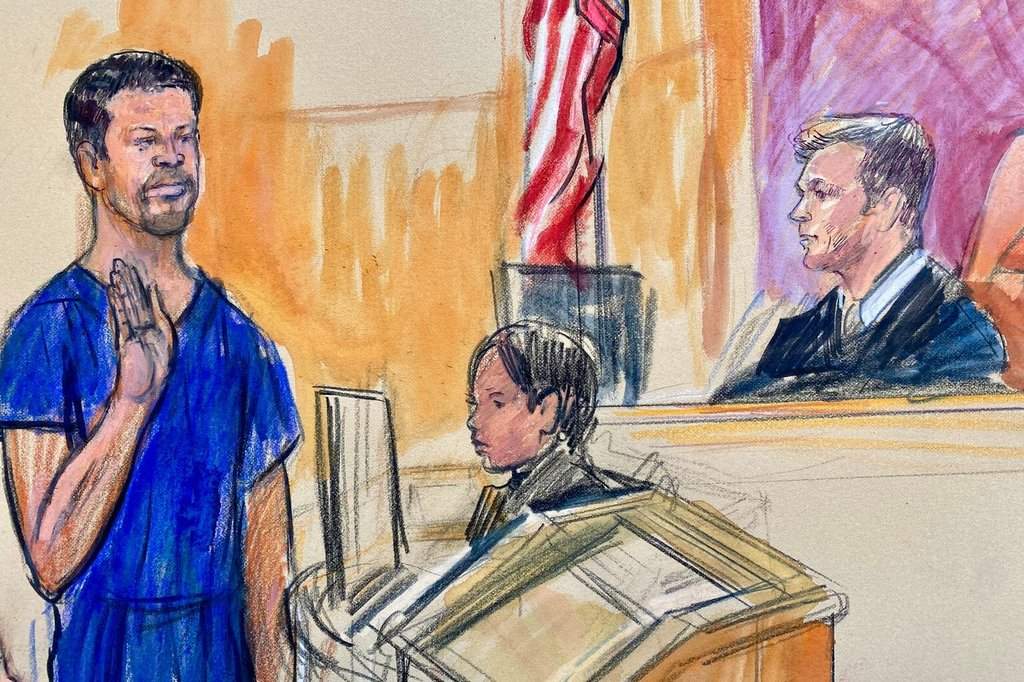
Timothy Carpenter didn’t think a string of armed robberies in Michigan and Ohio would end up reshaping the Fourth Amendment. He definitely didn’t think his own phone would be the star witness against him. But when the FBI used months of his location data to place him near the crimes—all without a warrant—they set off a legal firestorm that’s landed right on the steps of the Supreme Court. This isn't just about a guy who robbed some RadioShacks. It's about whether the government can track your every move just because you decided to carry a smartphone in your pocket.
The end of the third party doctrine
For decades, the legal system relied on something called the third-party doctrine. It’s a simple, if slightly terrifying, concept. If you voluntarily give your information to a company—like a bank or a phone provider—you lose your "reasonable expectation of privacy." Law enforcement could grab those records without a warrant because, technically, they weren't yours anymore. They belonged to the company.
Carpenter’s case, Carpenter v. United States, flips that logic on its head. The FBI grabbed 127 days of his cell site location information (CSLI). That’s thousands of data points showing exactly where he was, day and night. The government argued they didn't need a warrant because MetroPCS and Sprint already had the data.
But let’s be real. Nobody "voluntarily" shares their location with a cell tower. You don't have a choice. If the phone is on, it’s talking to a tower. To say you’ve consented to being tracked 24/7 just by owning a phone is a massive stretch that the modern world shouldn't accept.
Your phone is a silent snitch
Every few minutes, your phone pings a tower. It doesn't matter if you're sending a text, checking an app, or just letting the device sit in your cup holder. These pings create a digital trail. In the Carpenter case, the FBI used this trail to show he was within a two-mile radius of several robberies right when they happened.
The problem is that this data provides an intimate window into your life. It shows when you go to the doctor, which church you attend, and who you spend your nights with. Chief Justice John Roberts noted during arguments that this isn't like a single physical search. It's more like an "all-encompassing" surveillance dragnet.
When the Fourth Amendment was written, the Founders were worried about British soldiers breaking down doors to read private diaries. They couldn't imagine a device that fits in your palm and records your entire life story for a corporation to store in a server farm.
Why the digital age broke the law
The law is usually slow. Technology is fast. That gap is where our rights go to die. The government loves the old rules because they make it easy to build a case without jumping through the "hoops" of showing probable cause to a judge. They argue that CSLI is just like a business record.
I disagree. A business record is a receipt for a coffee. A map of your movements for four months is a biography.
The Supreme Court is forced to decide if the digital age requires a new set of rules. Justice Sonia Sotomayor has been vocal about this for years. She’s pointed out that the idea of "voluntary disclosure" is a total myth in a world where you can't get a job, drive a car, or participate in society without a digital footprint. If the Court sticks to the old ways, the Fourth Amendment basically becomes a dead letter for anything involving a computer.
The ripple effect of a warrant requirement
If the Court rules that the police need a warrant for cell records, it changes the workflow for every detective in the country. It adds a layer of accountability. Some law enforcement groups claim this will "handcuff" investigations. They say that getting a warrant takes too long and that criminals will get away while paper is being signed.
That’s a weak argument. Judges are available 24/7. Electronic warrants take minutes to process in 2026. What they're actually worried about is the "fishing expedition." Without a warrant requirement, they can grab data for hundreds of people near a crime scene and work backward. That’s not targeted investigation. That’s a net.
We’ve seen this before with "geofence warrants," where police ask Google for every phone that was in a specific area at a specific time. If Carpenter wins, those broad sweeps might finally face some serious constitutional pushback.
What this means for your daily privacy
You might think, "I'm not robbing stores, so why do I care?" You should care because the legal precedent set here applies to everyone. If the government can track a suspect without a warrant, they can track a journalist’s sources, a political protester, or anyone they deem "interesting."
Privacy isn't about having something to hide. It's about the right to be left alone.
The Carpenter case isn't just a win or loss for one guy in Michigan. It's a line in the sand. It tells the government that just because technology makes surveillance easy, it doesn't make it legal. We’re moving toward a future where "smart" cities and connected devices track even more. Your car, your fridge, and even your heart rate monitor are all "third parties." If the Court doesn't protect the data on your phone, they won't protect any of that either.
Protecting your own data trail
While the lawyers argue, you don't have to sit around and wait for a ruling to take control of your digital footprint. You can't stop a cell tower from seeing your phone, but you can limit the "noise" you create.
Start by auditing your location services. Most apps have no business knowing where you are 24/7. Switch them to "While Using" or "Never." Turn off "Significant Locations" in your iPhone settings—it's a buried list of everywhere you go frequently.
Use encrypted messaging like Signal. It won't hide your connection to a cell tower, but it ensures the content of your communications stays between you and the recipient. Law enforcement can see that you talked to someone, but not what you said.
Check your Google Maps Timeline. If you haven't disabled it, Google has a creepy, minute-by-minute map of your life going back years. Delete it. Turn it off. The less data that exists, the less there is for the government to grab without asking a judge first.
The Carpenter case reminds us that our gadgets are constantly testifying against us. It's time the law caught up to that reality and gave us our privacy back. If the Supreme Court rules in favor of privacy, it won't just be a win for a bank robber. It'll be a win for every single person who owns a smartphone.
Don't wait for the government to protect you. Take ten minutes tonight to lock down your privacy settings and clear out old location history. If the police want to know where you've been, make sure they have to prove why they need to know.