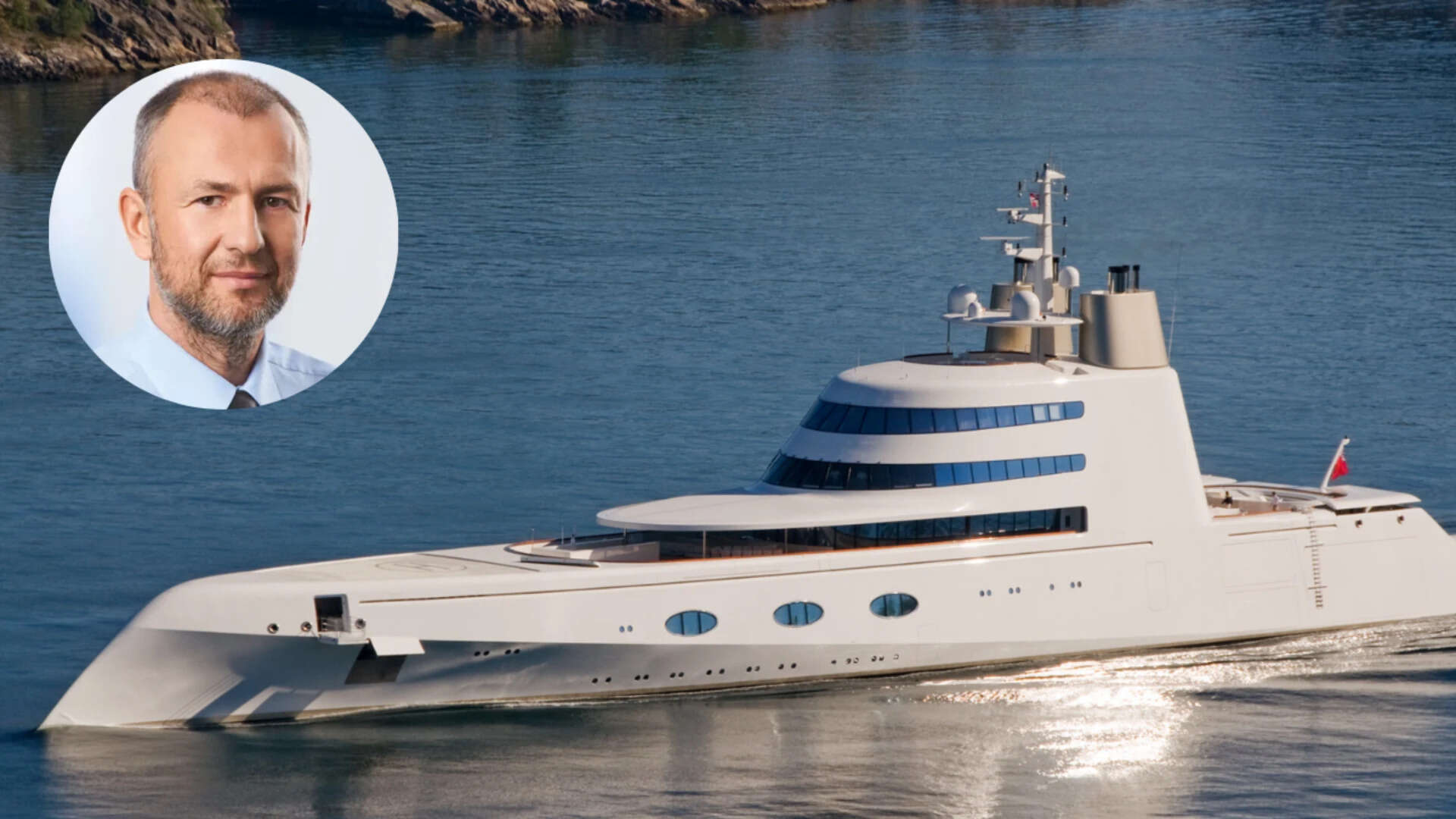
Navigating a 300 million dollar superyacht through a volatile geopolitical chokepoint sounds like a terrible idea. Most people hear about the Strait of Hormuz and think of naval standoffs, seized tankers, and drone strikes. It is one of the most heavily monitored and contested stretches of water on earth. Yet, ultra-luxury vessels owned by billionaires pass through these waters without getting hijacked or blown out of the water.
It isn't luck. Also making waves in related news: The Price of a Signature.
When a massive luxury vessel transits the narrow strip between Oman and Iran, it relies on a hidden network of private military contractors, international maritime law, and high-tech deception. What looks like a billionaire taking a reckless joyride is actually a meticulously planned military-grade operation.
The Reality of Navigating High Risk Maritime Zones
The Strait of Hormuz handles about a fifth of the world's petroleum liquids. Because of this, the international community keeps a constant eye on it. The United Kingdom Maritime Trade Operations and United States Naval Forces Central Command track every single blip on the radar. Additional information regarding the matter are explored by TIME.
Superyachts entering this zone don't just wing it. They hire private maritime security companies long before they drop anchor anywhere near the Persian Gulf. These security teams usually consist of former British Special Boat Service or US Navy SEALs operatives. They don't walk around the teak decks open-carrying assault rifles while guests sip champagne. That would violate local laws in various ports. Instead, they keep their equipment packed away, maintaining a low profile while constantly scanning radar feeds and radio traffic.
Many people wonder why Iran's Revolutionary Guard Corps seizes commercial tankers but leaves luxury yachts alone. The answer comes down to political leverage. Seizing a South Korean or British oil tanker sends a massive economic signal and gives a nation chips to bargain with. Grabbing a private yacht owned by a tech billionaire or a real estate tycoon creates a massive international incident without offering any real diplomatic payoff. It is a logistical nightmare for the captors and brings a disproportionate amount of heat from global superpowers.
Armed Guards and Electronic Warfare on the High Seas
High-value vessels traveling past volatile coastlines use sophisticated defensive tech. We aren't just talking about bulletproof glass or secure panic rooms, though most modern superyachts have both. The real defense happens in the digital spectrum.
Every large ship must run an Automatic Identification System. This system broadcasts the ship's position, speed, and identity to prevent collisions. In high-risk zones, running standard tracking makes you a sitting duck. Security teams frequently use electronic deception or temporarily go dark, turning off their transponders when moving through the tightest corridors.
While going completely dark violates international maritime conventions, captains weigh the regulatory fine against the risk of being targeted by pirates or hostile state actors. They choose the fine every single time.
When a vessel chooses to keep its transponder on, it often updates its destination status to something highly specific. You will see ships change their public status to "Armed Guard on Board" to deter low-level pirates or rogue fast-boats. It acts as a digital warning sign. It tells anyone watching that approaching this specific ship will result in a lethal firefight.
The Legal Shield of Maritime Flags
The flag flying from the back of the yacht matters just as much as the security team on deck. Most billionaires don't register their vessels in their home countries. They use open registries like the Cayman Islands, Malta, or the Marshall Islands.
These flag states have specific legal protections and defense agreements. Under international law, a ship at sea is considered the floating territory of the country whose flag it flies. Attacking a Cayman Islands-registered yacht technically triggers a legal conflict with a territory backed by the British Crown. Rogue actors looking to disrupt shipping prefer easier targets with less complicated geopolitical baggage.
Local coast guards also provide quiet coordination. The Royal Navy of Oman frequently monitors yacht traffic moving through its territorial waters, ensuring that vessels sticking to designated shipping lanes receive safe passage. As long as a superyacht coordinates with local authorities and stays outside disputed territorial lines, it remains legally protected.
Managing Risk When Wealth Meets Geopolitics
Billionaires don't think about safety the way regular travelers do. They don't look at travel advisories and cancel trips. They modify their security protocols and proceed anyway.
If you ever find yourself managing high-value assets moving through volatile regions, you need to implement a strict operational framework.
First, establish a direct line with regional maritime security centers. Never rely solely on standard commercial GPS or public tracking tools.
Second, secure transit insurance riders weeks in advance. Underwriters charge astronomical premiums for war-risk zones, and they demand a comprehensive security brief before signing off on the voyage. If your security plan doesn't include a certified ex-military detail, your insurance is void the moment you enter the gulf.
Third, maintain absolute radio silence regarding passenger identities. The greatest vulnerability for any high-profile individual traveling by sea is information leakage. Crew members must sign ironclad non-disclosure agreements, and personal electronic devices should be restricted to prevent accidental location sharing on social media platforms. A single leaked photo can compromise a multi-million dollar transit operation.
Safe passage through places like the Strait of Hormuz proves that absolute security is achievable if you have the resources to buy it. Geopolitical borders look scary on the evening news, but private military coordination and international law turn those terrifying stretches of water into just another highway for the ultra-wealthy. Keep your security tight, your data locked down, and your legal compliance flawless. That is how you move three hundred million dollars of luxury through a combat zone without a single scratch.