A Whisper in the Grass
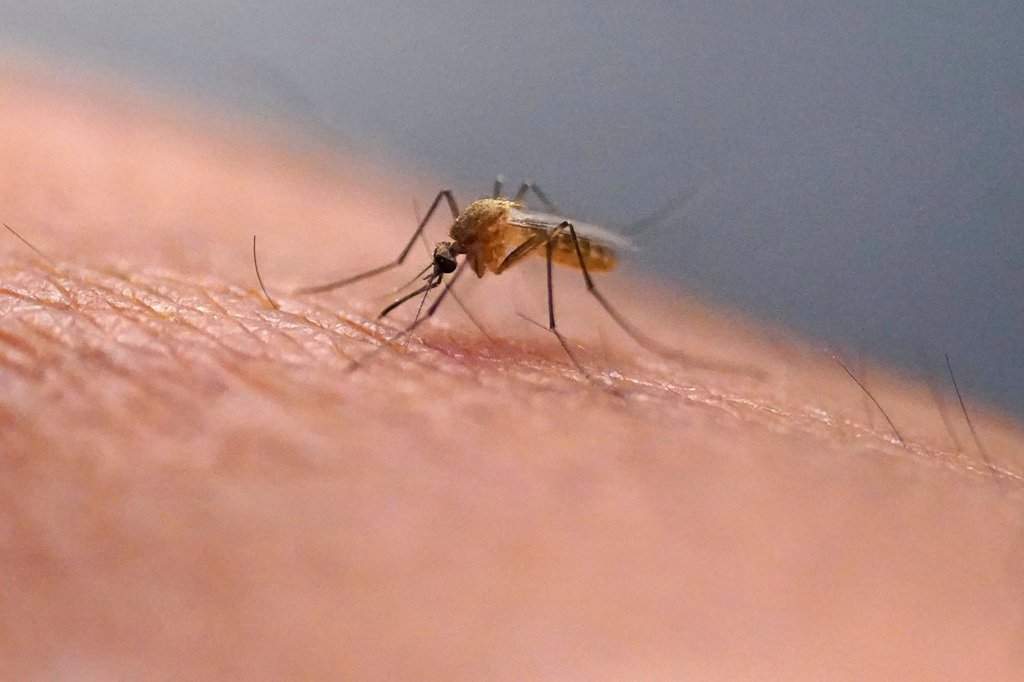
You do not hear it coming until it is already beside your ear. That high-pitched, fragile whine. To most people relaxing on a back porch in southern Ontario as twilight settles, it is merely a mild nuisance. A brief distraction from the hum of summer cicadas, the smell of charred cedar from a bonfire, or the cool sweat on the outside of a lemonade glass. You swat blindly at the back of your neck, laugh off the itch, and pour another drink.
That was precisely what David did.
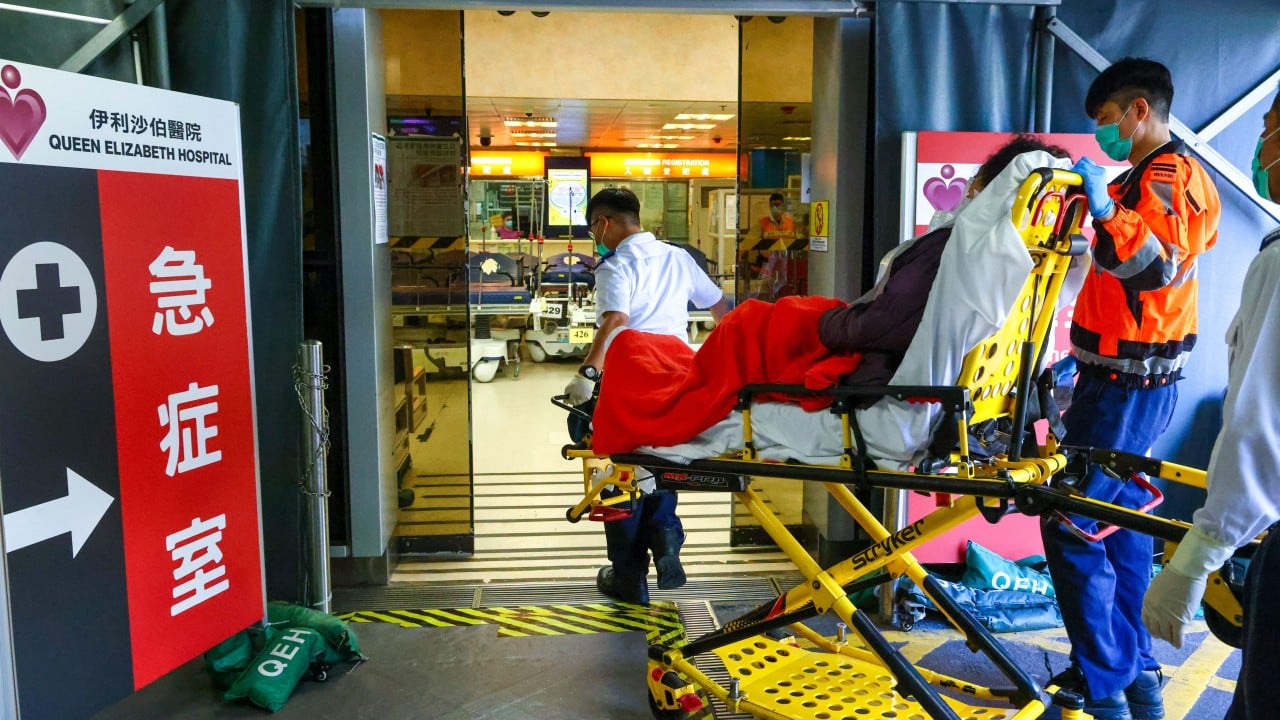
David is a hypothetical composite of the dozens of Ontarians who find themselves in hospital wards each late summer, staring up at fluorescents, wondering how a backwoods barbecue turned into a high-stakes neurological emergency. He didn't go hiking in deep tropical jungles. He didn't travel off the grid. He just sat in his backyard in Mississauga while the sun dipped below the horizon, letting a small insect light upon his exposed forearm.
It takes less than six seconds for a female Culex mosquito to draw blood. In that fleeting window, saliva enters the bloodstream. And occasionally, that saliva carries an invisible traveler: West Nile virus.
Across Ontario, from the sprawling suburbs of Peel Region down to the agricultural flatlands of Windsor-Essex, public health surveillance traps are turning up positive pools of the virus week after week. Public health officials issue press releases filled with cold numbers, infection vectors, and epidemiological tracking data. But behind those sterile statistics lies a quiet, human drama unfolding every single summer.
The Unseen Mechanism
We tend to think of viral threats as dramatic storms that arrive with heavy fanfare and immediate symptoms. West Nile does not work like that. It is patient. It operates on silence.
When the virus slips into human tissue, the body’s initial response determines everything. For roughly eight out of ten people, the immune system neutralizes the intruder before a single symptom manifests. These individuals will go about their lives, work their shifts, mow their lawns, and never realize they carried an infection. They win a silent lottery.
Then there is the minority who aren't as fortunate.
About twenty percent of those infected experience what doctors call West Nile fever. It starts quietly. A sudden wave of fatigue that feels like heavy wool wrapped around your brain. Then comes a fever, sharp head throbbing, body aches, and sometimes a patchy rash across the torso. It feels remarkably like a nasty summer flu, the kind that makes you pull the blinds down and curse the sunlight.
For David, the second day was when the confusion set in.
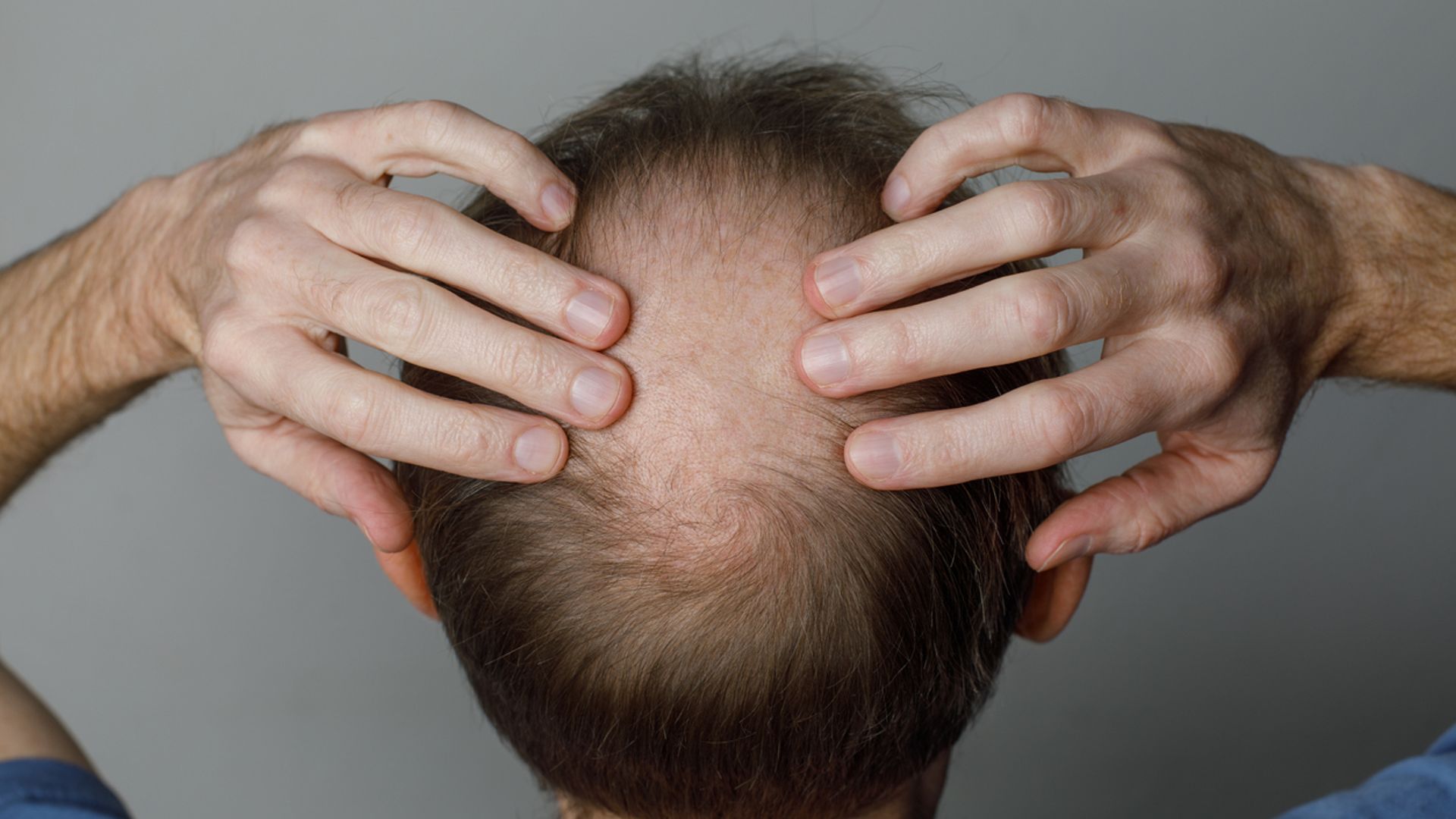
He couldn't remember where he had left his car keys—not in the normal, rushed way, but in a strange, hollow way that made his stomach drop. His neck stiffened until touching his chin to his chest felt like trying to bend iron. That is the crucial pivot point. That is when the virus breaches the blood-brain barrier, moving from a unpleasant systemic illness to a neuroinvasive threat.
When the Mind Loses Its Anchor
Neuroinvasive West Nile virus is rare, affecting fewer than one in a hundred infected people. But for that single individual, the statistics cease to matter entirely.
When the virus enters the central nervous system, it causes conditions like meningitis or encephalitis—inflammation of the protective membranes surrounding the brain and spinal cord, or inflammation of the brain tissue itself. The symptoms move rapidly from uncomfortable to terrifying.
Patients describe a sensation of deep disorientation, tremors in their hands that prevent them from holding a glass of water, severe muscle weakness, and in the most extreme cases, sudden paralysis that mimics polio.
Imagine waking up in an intensive care bed, unable to lift your arm to touch your spouse’s hand. You remember the warm summer evening, the smell of damp grass, the faint itch on your wrist. Connecting that ordinary moment to a life-altering neurological battle feels impossible. Yet that is the precise reality facing patients in regional healthcare facilities each autumn.
The recovery from neuroinvasive disease is rarely a straight line. Many survivors face months—sometimes years—of lingering fatigue, memory deficits, and persistent tremors. The body heals, but the nervous system holds onto the trauma with a stubborn, quiet tenacity.
The Math of the Mosquito
To understand why this happens, you have to look at the bird on your birdfeeder.
West Nile virus does not start with humans, nor does it rely on us to survive. We are what epidemiologists call "dead-end hosts." The virus cannot multiply in human blood to high enough levels to infect another mosquito. When it enters us, its transmission chain ends.
The true biological engine runs on a loop between birds and mosquitoes. American crows, blue jays, and robins act as primary reservoirs. A mosquito bites an infected bird, contracts the virus, and then carries it forward. As bird populations migrate and mingle throughout Ontario’s wetlands, ravines, and suburban parks, the viral load in the local mosquito population ripples outward.
Weather dictates the speed of this clock. High temperatures accelerate the viral replication cycle inside the mosquito's gut. When Ontario experiences long, stagnant hot spells punctuated by heavy summer storms, the conditions transform into a perfect biological nursery.
Rainfall creates pockets of standing water—in clogged rain gutters, discarded tires, unmaintained birdbaths, and shallow drainage ditches. Heat accelerates the lifecycle of the larvae. The Culex mosquito thrives in precisely these human-made puddles, breeding in the stagnant water we leave forgotten in our own yards.
Stripping Away the Illusion of Distance
It is tempting to view health risks through a geographic filter. We like to believe that dangerous pathogens belong to remote places or deep, untouched wilderness. But West Nile virus is an urban and suburban reality.
The highest concentrations of virus-positive mosquitoes in Ontario frequently appear not in northern forests, but in heavily populated corridors along Lake Ontario and the agricultural zones of the southwest. The virus thrives where people thrive, using our infrastructure—our storm sewers, catch basins, and ornamental gardens—as its incubator.
You do not need to embark on a backcountry camping trip to cross paths with it. You only need to walk to your mailbox at dusk without thinking about protection.
The difficulty in tracking this threat lies in its unpredictability. Public health units across the province deploy carbon-dioxide baited traps every week from June through October, counting insects under microscopes and testing batches for viral RNA. But a trap on one street corner cannot predict the exact risk three blocks away. A single uncleaned birdbath in a neighboring yard can produce thousands of potential vectors in a matter of days.
Reclaiming the Evening
Fear is a poor strategy for living. The goal is not to lock ourselves indoors behind sealed screens when July arrives, but to replace passive ignorance with deliberate awareness.
Protecting yourself requires surprisingly low-tech interventions, but they must be executed with discipline.
First, look at your immediate environment through the eyes of an insect seeking water. Walk your property after a rainstorm. Turn over outdoor toys, empty potted plant saucers, flush out birdbaths twice a week, and clear fallen leaves from rain gutters. A few tablespoons of trapped water left for seven days is all a female mosquito needs to raise her brood.
Second, understand the clock. Culex mosquitoes are night hunters. Their activity spikes sharply during twilight hours around dawn and dusk. If you are out during these windows, physical barriers are your strongest line of defense. Loose-fitting, light-colored, long-sleeved clothing makes it significantly harder for insects to reach skin.
Third, use proven topically applied repellents containing DEET or Icaridin on exposed skin. These compounds do not kill mosquitoes; they mask the chemical cues—the carbon dioxide and sweat signals—that lure insects to human skin in the dark.
A Final Thought in the Dusk
The sun sets early now as late summer yields to autumn. The air turns cool, and the cicadas slow their evening song. Soon, the first hard frost will arrive across Ontario, wiping out the adult mosquito populations and bringing a temporary close to another season of vigilance.
Until that freeze comes, the quiet risk remains suspended in the dusk.
Tonight, as you step outside into the cooling air to watch the twilight settle over your neighborhood, take a moment. Clean out the water tray by the garden hose. Pull down your sleeves. Respect the invisible threads connecting the birds above, the water below, and the quiet life you build right in the middle of it all.