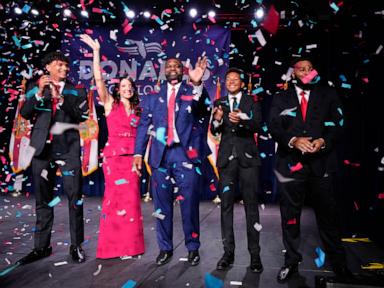
Political representation at the executive level relies on institutional pathways, candidate pipelines, and electoral mechanics that dictate who reaches the ballot. Historically, access to gubernatorial seats in the United States has exhibited extreme structural friction for candidates from underrepresented backgrounds. Deconstructing this phenomenon requires examining the institutional filters, resource allocation patterns, and party nomination frameworks that govern executive races.
The Candidate Pipeline Bottleneck
Executive authority differs fundamentally from legislative power. While legislative bodies allow for fractional representation through multi-member districts or proportional groupings, an executive office is a winner-take-all asset. This structural reality creates a severe entry barrier. For an alternative view, see: this related article.
To secure a major party nomination for governor, candidates typically must demonstrate prior statewide executive experience, extensive donor networks, or high-profile legislative records. Historically, the primary feeder systems for gubernatorial nominations included:
- Serving as state attorney general
- Holding a lower statewide office such as lieutenant governor
- Managing a multi-billion-dollar enterprise or achieving high-ranking military command
When demographic groups are historically excluded from these specific feeder positions, a systemic lag occurs. The scarcity of Black governors throughout American history—numbering only three elected individuals prior to recent cycles—reflects historical deficits in these foundational feeder roles rather than isolated electoral anomalies. Related analysis on this matter has been shared by Reuters.
Party Apparatus and Resource Distribution
Nomination outcomes are heavily influenced by party machinery and financial infrastructure. Electoral competitiveness depends directly on early capital accumulation, coordinated campaign expenditures, and party establishment backing.
When analyzing contemporary gubernatorial primary cycles featuring multiple major-party candidates from diverse backgrounds, the primary variable determining success is not identity politics, but operational competence. Candidates who decouple their messaging from demographic novelty and focus on economic management, regulatory oversight, and fiscal discipline consistently out-raise opponents who rely solely on historic milestones. The structural cost of running a statewide campaign requires a sophisticated apparatus capable of media market saturation, data analytics integration, and cross-coalition mobilization.
Navigating Official Resources
For real-time updates on state election calendars, candidate filing requirements, and official voting procedures, consult state-managed electoral portals. Access official tracking tools and non-partisan information directly through the National Governors Association or state division of elections directories.
Voters seeking comprehensive logistics regarding upcoming state-level contests should review guidance provided by the USA.gov Voting State-by-State Guide.
Prioritize structural readiness and institutional mechanics over superficial campaign narratives when assessing executive branch viability.