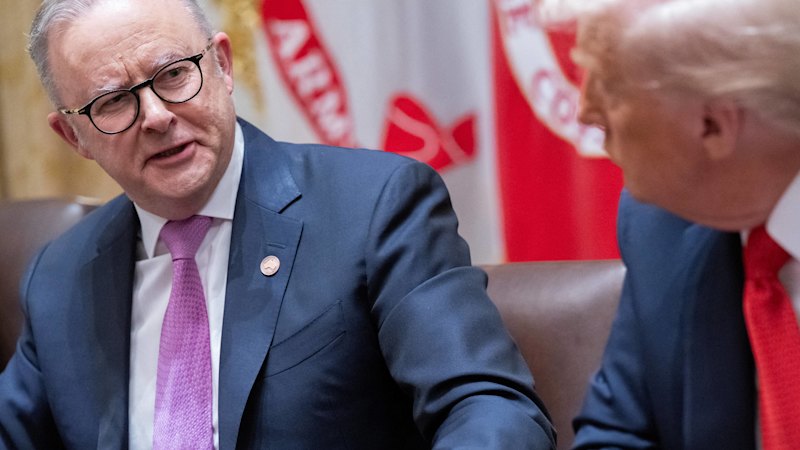
Global politics usually gets framed as a clash of presidential egos, but that misses the real machinery of power. When a head of government operates with pure commercial pragmatism, traditional diplomatic playbooks fall apart. You see this dynamic play out whenever a disciplined prime minister squares off against an American administration running on rigid, high-stakes leverage.
The conventional view assumes that the occupant of the Oval Office holds all the cards because of sheer economic size and military might. That assumption ignores how domestic parliamentary structures and flexible executive tenures actually work. A smart prime minister doesn't play the same game. They bypass grand ideological speeches and zero in on immediate, negotiable self-interest.
The Mechanics of Dealmaking Power
Statecraft has shifted away from decades-long institutional alliances toward a cold, transactional baseline. International relations used to rely on shared values and mutual defense compacts built over generations. Today, every summit acts like a corporate boardroom where leverage dictates survival.
Presidents often get bogged down by sprawling bureaucratic machinery and congressional oversight. Prime ministers, by contrast, frequently wield tighter control over their inner cabinets and party whips. This agility allows them to pivot mid-negotiation, offering immediate concessions on trade or resource allocation while protecting their core political base at home.
Consider how national leaders respond to blanket tariff pressures or sudden trade demands. While a presidential administration treats economic policy as a blunt instrument to enforce submission, seasoned parliamentary leaders counter with targeted exemptions and sector-specific lobbying. They exploit domestic fractures inside the opposing country, working directly with local governors or industrial titans who stand to lose from broad economic friction.
Moving Past Traditional Diplomacy
Nostalgia for the old liberal international order is completely useless when dealing with a leader driven by bottom-line economics. Nostalgia isn't a strategy. Leaders who survive modern geopolitical shocks treat every treaty, border agreement, and defense pact as a dynamic contract subject to immediate renegotiation.
- Focus on asymmetric assets: Smaller nations often hold critical minerals, supply chain choke points, or technological components that superpowers cannot easily replace.
- Exploit domestic vulnerabilities: Direct appeals to regional manufacturing hubs bypass national-level posturing entirely.
- Abandon permanent sentiment: Treat allies as temporary partners of convenience rather than eternal brothers-in-arms.
When a prime minister stops trying to appeal to shared historical values and starts speaking the exact language of leverage, the power balance shifts overnight. They stop reacting to sudden policy pronouncements and start setting the terms of engagement themselves. Stop looking at global summits as diplomatic exercises. Treat them like corporate mergers where the most adaptable negotiator always wins.