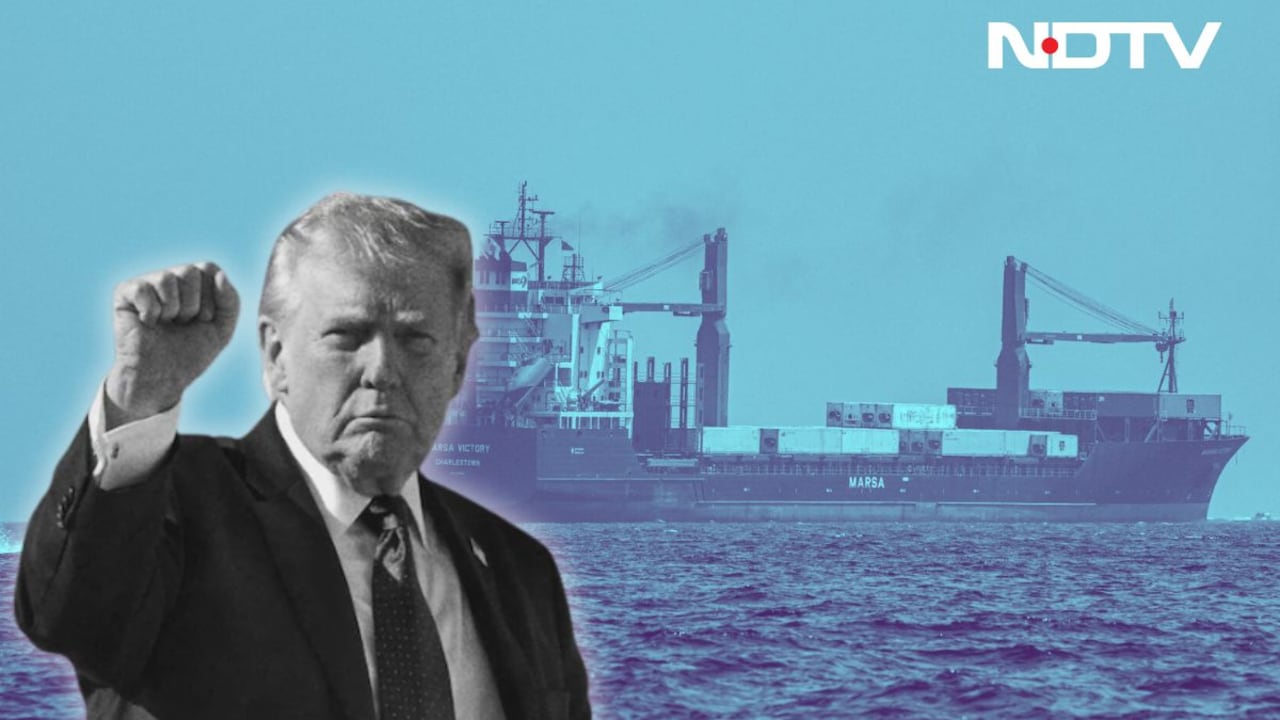
Political survival in legislative cycles requires a calculated minimization of unmanaged external variables. As the midterm electoral horizon approaches, administrative architectures face an acute optimization problem: balancing ongoing military engagements against the immediate risk of electoral repudiation. When public disapproval metrics cross critical thresholds, executive strategy shifts from aggressive kinetic pursuit to defensive containment. This transition is not merely tactical; it reflects a rigorous cost function where prolonged military friction directly depresses legislative majorities.
The Electoral Cost Function
The interaction between foreign conflict and domestic approval follows a predictable mathematical and behavioral decay. As engagement duration extends past six months, the utility of the conflict drops precipitously while economic externalities compound.
- The public disapproval ceiling for protracted engagements consistently breaches sixty percent in polarized electorates.
- Direct correlation exists between naval blockades of critical shipping corridors, such as the Strait of Hormuz, and domestic retail fuel inflation.
- Legislative vulnerability concentrates among incumbents defending thin congressional margins, where marginal shifts in voter sentiment dictate chamber control.
Polling data from late-cycle metrics isolate the friction points. When roughly two-thirds of the populace register active dissatisfaction with handling a specific overseas theater, continuation without modification guarantees negative electoral feedback. Consequently, executive aides face a binary choice: absorb immediate legislative losses or artificially compress the operational tempo until the electoral checkpoint passes.
The Three Pillars of Tactical Decompression
To achieve a temporary suppression of conflict visibility without incurring strategic forfeiture, leadership relies on three distinct operational levers.
- Substitution of Kinetic Force with Economic Interdiction: Moving away from high-visibility missile strikes and toward secondary sanctions and trade blockades allows the administration to claim active pressure while lowering daily media saturation.
- Internal Logistics Rationing: A forced reduction in sortie rates provides essential breathing room for depleted precision-guided munitions inventories, addressing backend readiness warnings issued by military branch chiefs.
- Narrative Compartmentalization: Directing the domestic communications apparatus toward domestic economic talking points while neutralizing foreign policy briefings shifts the daily news cycle away from the theater of operations.
These mechanisms operate under a strict temporal constraint. The objective is structural management of the information environment leading directly up to the legislative ballot, minimizing front-page conflict coverage that mobilizes opposition demographics.
The Vulnerability of Controlled Containment
Executing a low-visibility strategy in an active theater introduces severe systemic risks. The primary failure mode resides in adversary agency. An opponent operating under existential pressure possesses every structural incentive to rupture artificial lulls through asymmetric provocations, forcing the executive back into a reactive posture.
Furthermore, internal friction within the executive branch complicates execution. While executive management and key cabinet officials favor a compressed posture to preserve congressional margins, the operational architecture of defense logistics and unpredictable chief executive impulses create high volatility. When military commanders warn of long-term readiness degradation in secondary theaters due to resource concentration in a primary conflict, the sustainability of even a quiet containment model erodes rapidly.
The economic transmission mechanism compounds these political vulnerabilities. Energy price spikes resulting from maritime choke points bypass media containment strategies entirely, registering directly on the consumer index before legislative choices are cast.
Execute a rigid administrative pivot toward strict economic enforcement channels while freezing high-visibility offensive kinetic operations until the legislative window closes, accepting the residual risk of adversary probing as the mathematically preferred alternative to uncontained electoral fallout.
Trump's Approval Rating and the Iran War
This video provides an in-depth analysis of how the ongoing conflict with Iran has impacted presidential approval ratings and shaped the political landscape ahead of the midterms.
http://googleusercontent.com/youtube_content/1



