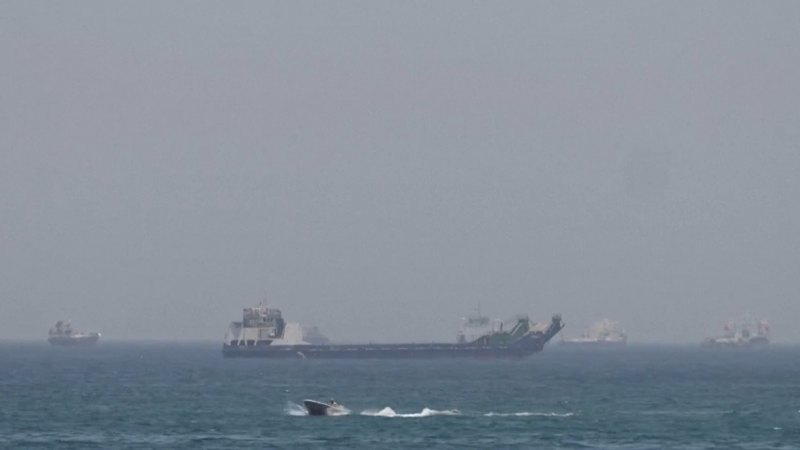
The US Navy just called Iran’s bluff in the world's most dangerous stretch of water. Two guided-missile destroyers pushed through the Strait of Hormuz on May 4, 2026, marking a massive escalation in a naval standoff that’s already sent global oil prices screaming past $120 a barrel. This isn't just another routine patrol. It’s the start of "Project Freedom," a high-stakes gamble by the Trump administration to break a two-month Iranian blockade that has basically strangled the global energy supply.
If you’ve been wondering why your gas prices are hitting record highs, this tiny 21-mile-wide choke point is the reason. Since the outbreak of the 2026 Iran war in late February, the Strait has turned into a maritime graveyard. Iran’s Revolutionary Guard (IRGC) has been using mines, drones, and "tollbooth" extortion tactics to stop anything they don't like. Now, the US is pushing back with iron and fire.
The Reality of Project Freedom
Project Freedom isn't some polite diplomatic suggestion. It’s a direct military intervention. Under this new directive, US warships aren't just sitting in the Gulf of Oman looking tough; they're actively guiding merchant vessels through the gauntlet. On Monday, two US-flagged merchant ships successfully made the transit.
Don't buy the "all is well" narrative coming out of official channels, though. While CENTCOM says the transit was successful, the IRGC claims they fired missiles at a US warship for ignoring warnings. The US denies any ships were hit, but the tension is thick enough to cut with a bayonet. We're seeing a "blockade within a blockade." The US is trying to blockade Iranian ports to starve their economy, while Iran is trying to blockade the entire Strait to starve the world of oil.
The Numbers That Should Scare You
To understand why the US is risking a direct shooting war, look at the data. Before this mess started on February 28, the Strait handled about 20 million barrels of oil every single day. That's 20% of the world's supply.
- Oil Prices: Brent crude hit $126 per barrel in March. It hasn't really come down since.
- Traffic Collapse: Tanker traffic through the Strait has dropped by a staggering 70%.
- Stranded Assets: Over 150 ships are currently anchored outside the Strait, waiting to see if it’s safe to move.
- Insurance Costs: Maritime insurance rates for this zone have spiked 400% to 600% in just a few weeks.
Why Routine Transits Are Gone
Transiting the Strait of Hormuz used to be a tense but manageable part of a Navy deployment. Now, it's a combat mission. The IRGC has shifted to "maximum asymmetric retaliation." They aren't trying to outgun a US destroyer in a fair fight. They're using swarms of small boats, suicide USVs (Unmanned Surface Vessels), and bottom-moored mines that are notoriously hard to detect in the shallow, noisy waters of the Gulf.
The US strategy has changed too. Instead of traditional escorts, the Navy is using a mix of electronic warfare and real-time intelligence sharing. They're telling commercial captains exactly where the mines are and which lanes are "clear"—or at least, clear enough to risk it.
The Tollbooth Problem
One of the weirdest and most dangerous developments is Iran’s "tollbooth" system. The IRGC has been offering "safe passage" to certain vessels—for a price. They’re demanding payments in digital assets or cash at Iranian embassies. The US Treasury Department (OFAC) just issued a massive warning: pay the Iranians for safety, and you'll face crippling US sanctions.
This puts shipping companies in an impossible spot. Pay Iran and get blacklisted by the US. Refuse to pay and get your ship seized or hit by a drone. Project Freedom is supposed to be the "third option," but it requires captains to have nerves of steel and trust that a US destroyer can swat down every incoming threat.
What Happens if This Fails
We’re at a point where a single mistake—a stray missile, a hit mine, or a panicked captain—could trigger a full-scale regional conflagration. The ceasefire that was supposed to happen in April is essentially dead. Iran sees the entry of US warships as a violation of their sovereignty over the Strait. The US sees it as defending international waters.
I’ve seen how these things play out. When both sides feel they have no room to retreat, the next logical step is usually more force. The US Navy is currently enforcing a blockade on Iranian ports with over 10,000 personnel and a dozen warships. They've already intercepted 45 vessels. Iran has responded by seizing cargo ships like the Touska.
If you're a maritime operator or an investor, don't expect a "return to normal" anytime soon. The "Geopolitical Risk Premium" on oil is now a permanent fixture of the market, roughly $30 to $35 of every barrel you buy is just the price of the fear in the Strait of Hormuz.
Your Next Steps
- Watch the Insurance Markets: If insurance companies stop covering Project Freedom transits, the operation is dead in the water regardless of what the Navy says.
- Monitor "Dark Fleet" Movements: Iran is still moving oil via sanctioned shadow tankers. Watch for how the US blockade handles these specific vessels.
- Check the LNG Supply: Qatar’s LNG exports are the next big domino. If those stop, European heating and power prices will make the oil spike look like a bargain.
- Prepare for Supply Chain Delays: This isn't just about oil. 30% of the world's traded fertilizers pass through here. Food prices are next.
The US has assumed the risk for the world. Now we wait to see if the world follows them through the gap.