The standard geopolitical playbook is currently screaming one thing: The Gulf monarchies are begging Washington to finally "neutralize" the Iranian threat. Pundits point to the deepening crisis in the Strait of Hormuz as the breaking point. They claim Riyadh, Abu Dhabi, and Doha are exhausted by the shadow wars and want the American eagle to descend, dismantle the IRGC, and secure the world’s most sensitive oil artery once and for all.
They are dead wrong.
This narrative isn't just lazy; it’s a fundamental misunderstanding of how power functions in the Middle East. If the United States actually "neutralized" Iran—meaning a full-scale regime change or the total destruction of its proxy architecture—the Gulf states would face an existential crisis more terrifying than a few limpet mines on a tanker.
The status quo of "managed tension" is the most profitable and stable environment for the GCC. Total victory is a nightmare disguised as a solution.
The Stability of the Bogeyman
Why do you think the Gulf states spend hundreds of billions on Western defense contracts? It isn't because they actually expect to win a land war against a country with 88 million people and a mountainous interior that makes Afghanistan look like a playground.
The Iranian threat is the primary glue holding the US-Gulf security architecture together. Without a credible, menacing Iran, the "Special Relationship" loses its urgency. I have seen diplomats in the region pivot conversations away from internal reforms and human rights the second a Houthi drone enters the frame. Iran is the ultimate distraction and the ultimate leverage.
If Iran is neutralized, the US Congress—already skeptical of Middle Eastern entanglements—starts asking why we have 30,000 troops stationed across Kuwait, Qatar, and Bahrain. They start asking why we are selling F-35s to nations that no longer face a regional superpower.
The disappearance of the Iranian "threat" leads directly to American isolationism. For the House of Saud or the Al-Nahyans, a Middle East without an Iranian bogeyman is a Middle East where they are left alone in a room with their own restless populations and no 5th Fleet to call for backup.
The Fallacy of a "Secure" Strait
The competitor's piece argues that neutralizing Iran secures the Strait of Hormuz. This assumes that Iran’s interference is the only thing that can go wrong.
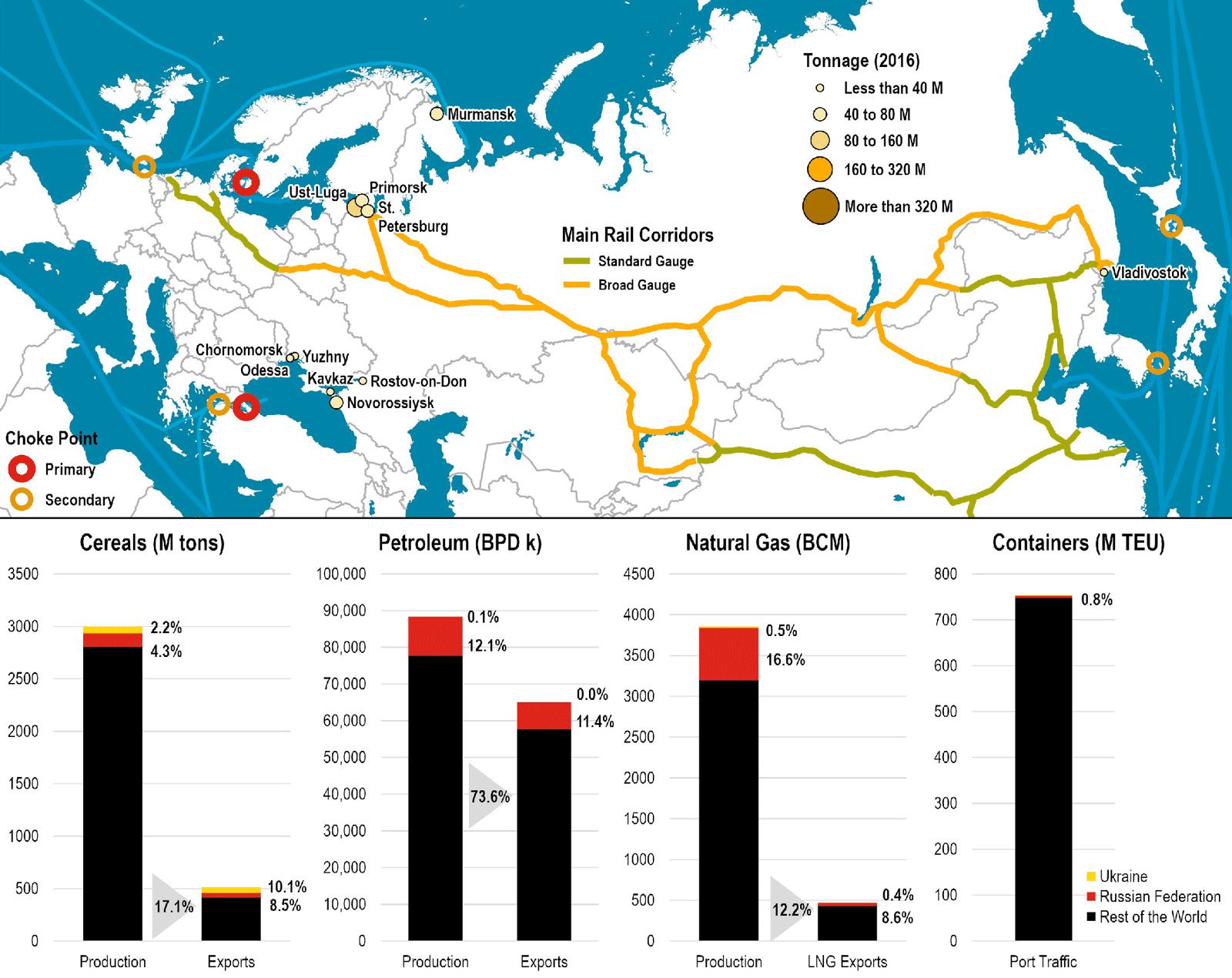
In reality, the Strait of Hormuz is a geographic choke point that cannot be "solved" by a Tomahawk missile. The waterway is roughly 21 miles wide at its narrowest point, but the shipping lanes—the actual deep-water channels capable of carrying VLCCs (Very Large Crude Carriers)—are only about two miles wide in each direction.
$FlowRate = \frac{V}{t}$
Even if the Iranian navy vanished tomorrow, the physical vulnerability remains. A neutralized Iran implies a power vacuum. Look at the post-2003 Iraq transition. Did the removal of Saddam Hussein lead to a secure, pro-Western energy corridor? It led to two decades of insurgency, scorched infrastructure, and the rise of non-state actors who are far more unpredictable than a sovereign state.
A sovereign Iran is rational. It uses the Strait as a bargaining chip. It wants the price of oil high, but not so high that it destroys the global economy and invites a nuclear response. An "irregular" Iran—a fractured state full of localized militias with nothing to lose—is a chaotic actor. You can negotiate with a mullah; you cannot negotiate with ten different "Free Iran" factions fighting over a coastal province.
The Economic Paradox of Peace
Peace is bad for the current oil premium.
The "Hormuz Risk Premium" adds a consistent $5 to $10 to every barrel of Brent crude during times of high tension. For countries whose entire sovereign wealth depends on these margins, "neutralizing" the threat is a direct pay cut.
Furthermore, a neutralized Iran means a rehabilitated Iran.
Imagine a world where Iranian oil flows freely into the global market without sanctions. Iran holds the world’s second-largest gas reserves and fourth-largest oil reserves.
- Production Capacity: Iran could easily add 2 million barrels per day to the market within 18 months of "neutralization."
- Market Share: This would crash the price of oil, devastating the fiscal break-even points of the GCC states.
- Investment: Capital would flee the saturated markets of the UAE and Saudi Arabia to chase the "pioneer" returns of a newly opened Iranian economy.
The Gulf states don't want a "neutral" Iran; they want a "contained" Iran. They want an Iran that is just scary enough to keep the US engaged, but just sanctioned enough to keep it out of the global oil market.
The Asymmetric Nightmare
We need to address the "People Also Ask" obsession with "Why doesn't the US just take out the IRGC?"
Because the IRGC is not a traditional army; it is a franchise.
I’ve sat in rooms where military analysts try to map out the "command and control" of the Axis of Resistance. They treat it like a pyramid. It’s actually a mycelium.
If the US "neutralizes" the head in Tehran, the nervous system—Hezbollah in Lebanon, the PMF in Iraq, the Houthis in Yemen—doesn't die. It goes rogue. Currently, Tehran acts as a throttle. They can turn the violence up or down depending on the diplomatic weather.
If you remove that central authority, you are left with the most well-armed, battle-hardened insurgencies in human history, operating without any strategic restraint. The Gulf states know this. They know that a dying Iran would spend its final breath ensuring that every desalination plant, every glass skyscraper in Dubai, and every oil refinery in Abqaiq is reduced to rubble.
The Real Power Play: Hedging, Not Hitting
The smart money isn't on a US strike. It’s on the "Beijing Pivot."
While Western media portrays the Gulf as "pressing" the US for military action, the actual policy on the ground is rapprochement. The Saudi-Iran deal brokered by China wasn't a fluke; it was a realization. The Gulf has realized that the US is an unreliable partner that only knows how to use a hammer.
The Gulf states are currently playing a sophisticated game of "Double Hedging":
- Publicly: Tell the US to "get tough" to ensure the weapons shipments keep coming.
- Privately: Negotiate with Tehran via Beijing to ensure that if a conflict does start, the Gulf isn't the primary target.
If you are waiting for a cinematic "neutralization" of Iran to fix your energy portfolio or bring "stability" to the region, you are the mark in this game. The volatility is the product. The tension is the strategy.
Stop asking when the US will "fix" Iran. Start asking who benefits from the brokenness. The answer is everyone except the person paying the pump price.
The era of American dominance in the Gulf didn't end because of Iranian strength; it ended because the Gulf states realized that an American "victory" is the most dangerous thing that could happen to them.
They don't want the fire put out. They just want to be the ones selling the extinguishers.