Crude oil is lying to you. While headlines fixate on a weekly decline—with Brent sliding toward $89 a barrel and West Texas Intermediate hovering near $83—the market is pricing in a peaceful resolution that does not exist. A superficial reading of the current stalemate between Washington and Tehran suggests that diplomacy has merely stalled, allowing bruised shipping lanes to catch their breath.
That interpretation is dangerously wrong.
Beneath the calm surface of fluctuating futures contracts lies a severe structural fracture. Six months into a grinding conflict that has transformed Middle Eastern maritime routes into militarized zones, the global energy apparatus is running on borrowed time and depleted safety buffers. The recent dip in prices is not a sign of fundamental health. It is a psychological exhaustion trade, driven by traders misinterpreting tactical shifts in economic sanctions as strategic retreats.
To understand where energy markets are actually heading, one must strip away the noise of daily tape-watching and examine the hard physical realities of the Persian Gulf, the exhaustion of emergency stockpiles, and the absolute incompatibility of current U.S. and Iranian political demands.
The Anatomy of a False Dawning
The downward weekly drift in crude prices stems primarily from an erratic uptick in tanker transit data through the Strait of Hormuz. Following intense diplomatic pressure from regional intermediaries like Oman and Qatar, select commodity vessels have managed to slip through the maritime bottleneck. U.S. Central Command announcements regarding mine-clearing operations in international shipping lanes have added temporary fuel to the bearish narrative, convincing casual observers that the worst-case supply crunch has been averted.
Markets hate prolonged uncertainty, so traders eagerly grasped at these green shoots. Yet, physical tracking tells a vastly different story.
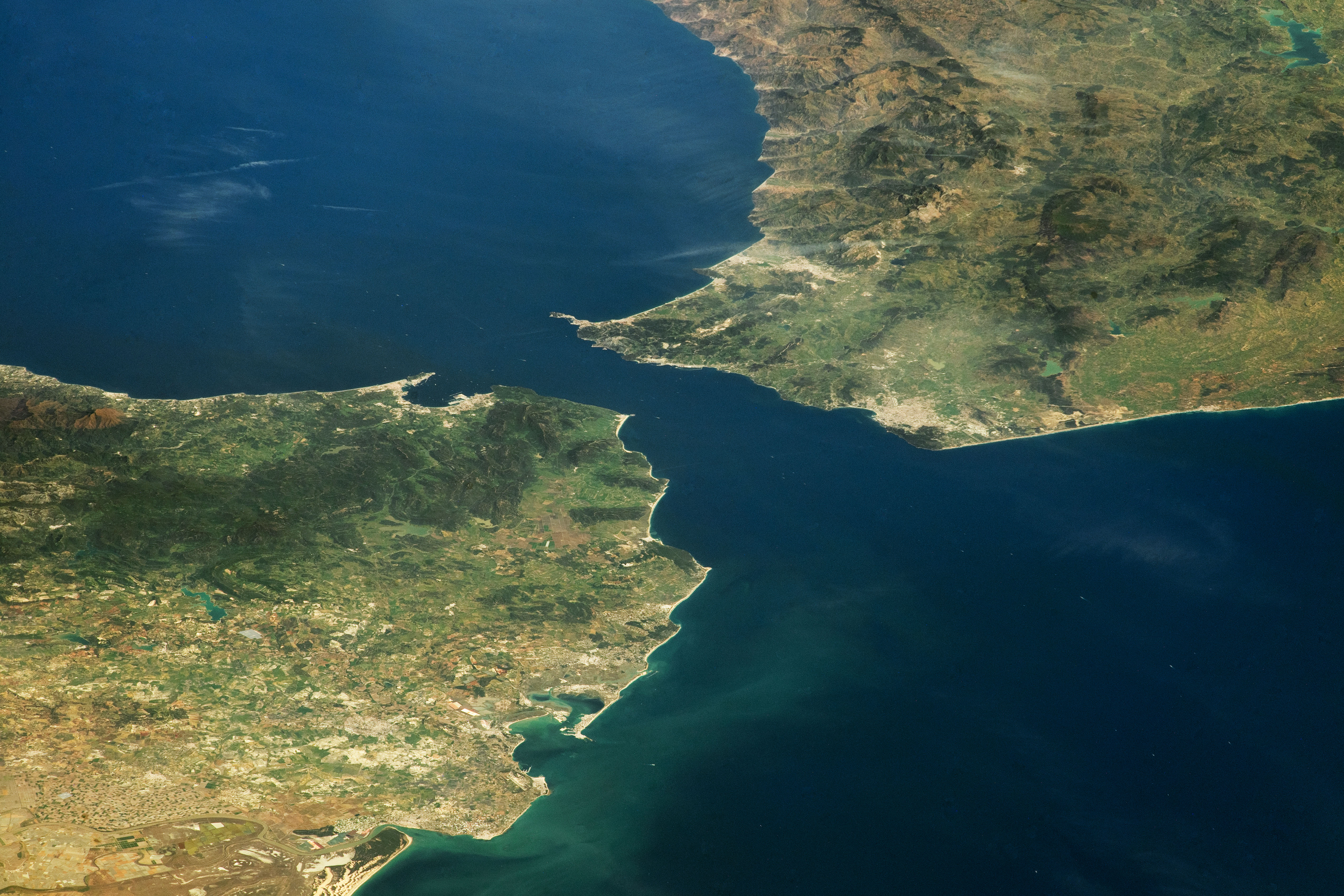
Daily transits remain a fraction of pre-conflict volumes. Before the U.S.-Israeli campaign against Iran began, approximately one-fifth of the world’s petroleum and liquefied natural gas flowed through this narrow corridor daily. Today, ship-tracking data indicates that traffic operates in fits and starts, with multiple vessels running dark—transponders disabled—to evade potential targeting.
The fragile arrangement brokered partly through Omani channels involves complex revenue-sharing and corridor management discussions that Tehran insists remain incomplete. Iranian officials have maintained a firm stance: full normalization of the strait is off the table until Washington makes tangible concessions on sweeping economic restrictions.
Instead of reciprocating, the White House doubled down. Washington recently unveiled what officials termed the harshest economic sanctions package in history against Iran. Tehran dismissed the measures as hostile theater, but the diplomatic chasm widened irreparably when reports confirmed the Trump administration refused to revive the fragile June memorandum of understanding that previously served as a baseline for de-escalation.
There are no active negotiations. There is only an armed standoff disguised as a diplomatic process.
The Depletion Trap
While traders debate whether a 5% weekly correction makes crude cheap, sovereign reserves are evaporating at an unprecedented velocity.
Consider the U.S. Strategic Petroleum Reserve. Recent Department of Energy figures show inventory drawdowns plummeting national stockpiles to their lowest levels since December 1982. This aggressive bleeding of emergency stock is the direct result of a multi-month mandate to release 172 million barrels to blunt retail gasoline inflation for American consumers.
An emergency reserve is designed to absorb sudden, catastrophic supply shocks. Using it as a structural thumb on the scale to manage multi-year geopolitical realignments leaves importing nations naked to the next major disruption. Refiners are currently running at maximum capacity margins to satisfy persistent product demand, leaving zero spare refining capacity globally if another major infrastructure node goes offline.
The vulnerability is compounded by active kinetic operations outside the Persian Gulf. Ukrainian drone and missile strikes continue to target Russian domestic refining infrastructure in regions like Yaroslavl, periodically kneecapping Moscow’s product output and tightening European and Asian diesel balances. When eastern European supply disruptions overlap with a compromised Persian Gulf, the global barrel count becomes intensely fragile.
Major financial institutions have modeled the trajectory, and the numbers are stark. JPMorgan estimates that every additional month of Hormuz disruption systematically forces an extra $7 to $8 baseline premium onto a barrel of Brent. Should current regional friction persist through the autumn maintenance cycle, monthly averages are projected to breach the $110 threshold with ease. Goldman Sachs has repeatedly flagged that a prolonged closure scenario places a $120 handle squarely back into play.
The Mirage of Alternative Relief
In an effort to talk down prices, market analysts frequently point to potential external supply injections. Chief among them is Venezuela. Recent reports indicate Caracas is weighing maneuvers regarding its OPEC participation status alongside behind-the-scenes assessments of potential U.S. involvement to revitalize its dilapidated heavy oil infrastructure.
This is wishful thinking of the highest order.
Decades of chronic underinvestment, brain drain, and severe infrastructure decay mean Venezuelan extractions cannot scale rapidly enough to plug a Middle Eastern deficit. Even under an aggressive, best-case technical rehabilitation scenario, bringing offline Orinoco Belt production back to meaningful export capacity requires years and tens of billions in foreign capital—not weeks.
Saudi Arabia and the United Arab Emirates have attempted to pivot export routes away from the chokepoint by utilizing overland pipelines like the East-West pipeline to Red Sea terminals. While these bypass options provide vital relief, their total throughput capacity is physically capped. They cannot absorb the totality of the volume trapped behind the Strait of Hormuz.
Asian refiners—particularly in India and China—are scrambling to secure term supplies via non-Gulf sources, driving up spot premiums across Atlantic Basin crudes and West African grades. This competitive bidding war for unencumbered barrels ensures that any headline-driven drop in benchmark futures fails to translate into actual cost savings at the refinery gate.
The Inevitable Reckoning
The current market consensus is pricing in a contradiction. It assumes that shipping lanes can remain permanently choppy, that sanctions can scale infinitely without kinetic retaliation, and that sovereign emergency cushions can be safely drained to zero without consequence.
History demonstrates that energy markets do not gently slide into higher brackets when structural chokepoints are contested; they reprice violently. The ongoing stalemate is not a plateau. It is the compression phase of a spring that has been wound as tight as physical laws allow.
When the market finally realizes that neither side of the Washington-Tehran axis has an incentive to blink, and that the trickle of tankers through Hormuz is a political illusion rather than a permanent reopening, the current safety discount will evaporate overnight.
The next jolt will not arrive with a warning headline. It will arrive when the last emergency barrel is drawn, the tanker traffic halts once more, and the true cost of the stalemate comes due.