Geopolitical friction points involving major energy transit corridors generate immediate market volatility, yet superficial media coverage frequently obscures the structural mechanics underpinning these crises. When policymakers issue aggressive rhetoric regarding critical maritime chokepoints, the underlying calculus involves a complex intersection of international trade flows, insurance risk pricing, and naval force projection. Understanding these escalations requires stripping away the immediate emotional payload of high-stakes threats to examine the measurable economic vulnerabilities that constrain state actors.
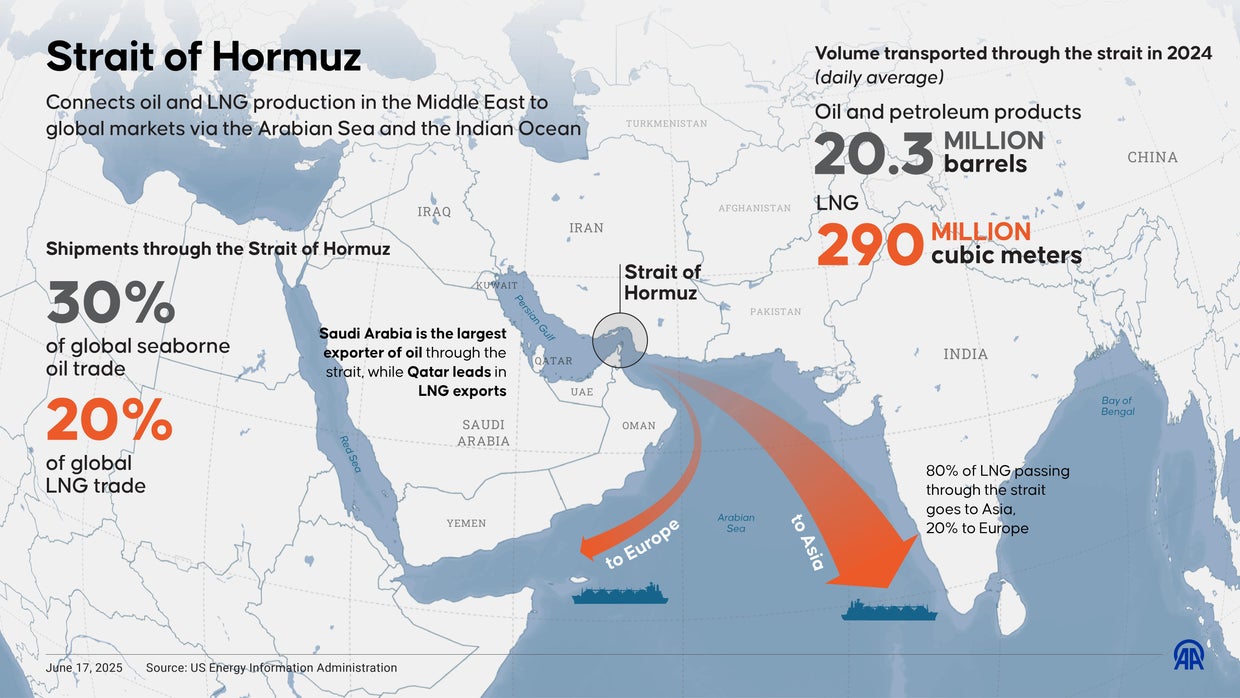
The Strait of Hormuz functions as the world's most critical energy artery, moving approximately twenty percent of globally consumed petroleum liquids. This narrow maritime passage is bounded by Oman to the south and Iran to the north, creating a geographical bottleneck where any disruption ripples instantly across international commodity pricing. The strategic significance of the passage does not stem merely from the volume of crude oil and liquefied natural gas passing through its waters, but from the complete absence of short-term substitutability. When political posturing targets access to this corridor, analysts must evaluate the structural dependencies of importing economies against the defensive and offensive capabilities of regional stakeholders. For a different view, see: this related article.
The Structural Anatomy of Maritime Chokepoints
Global energy security relies on continuous maritime transit, rendering specific geographical corridors systemic vulnerabilities. The Strait of Hormuz measures roughly twenty-one miles wide at its narrowest point, with inbound and outbound shipping lanes each just two miles wide, separated by a two-mile buffer zone. This physical confinement forces high-tonnage supertankers into predictable, restricted vectors that are exceptionally susceptible to asymmetric disruption.
The vulnerability matrix of this corridor rests on three distinct variables: Similar analysis on this matter has been published by NPR.
- Geographical Concentration: The lack of redundant pipeline capacity for Persian Gulf exporters means that alternative routes, such as the East-West pipeline in Saudi Arabia or the Habshan-Fujairah pipeline in the United Arab Emirates, offer only partial mitigation rather than a complete alternative.
- Vessel Vulnerability: Modern ultra-large crude carriers possess minimal defensive capabilities against asymmetric threats, including coastal cruise missiles, fast-attack craft swarms, and naval mines.
- Global Market Elasticity: Petroleum pricing is globally fungible. A localized blockage anywhere in the Persian Gulf triggers immediate supply shocks that elevate energy costs across non-producing importing nations regardless of their direct source procurement.
When political figures threaten military intervention to secure these lanes, the underlying objective is deterring disruptions to maritime commerce. However, the operational cost of maintaining open shipping channels involves balancing localized kinetic deterrence against the risk of rapid escalation into broader regional conflict.
The Economic Cost Function of Shipping Disruptions
Evaluating the credibility of coercive statecraft requires analyzing the economic damage function inflicted by transit interruptions. Insurance underwriters, maritime logistics firms, and energy traders calculate risk using deterministic models rather than political rhetoric.
When the perceived risk of transiting the Strait of Hormuz escalates, marine hull and cargo war risk insurance premiums spike dramatically. For a standard very large crude carrier valued at over one hundred million dollars, a fractional percentage increase in war risk insurance translates to hundreds of thousands of dollars in added operational overhead per voyage. If the risk profile shifts from elevated to prohibitive, commercial carriers simply halt operations, independent of government mandates.
This creates a commercial standstill mechanism that operates faster than official naval blockades. The second-order effects of such a standstill include:
- Refinery Feedstock Deficits: Asian economies, particularly China, Japan, South Korea, and India, rely on Persian Gulf crude to feed their domestic refining complexes. A prolonged interruption forces these facilities to draw down strategic petroleum reserves or seek constrained spot-market alternatives from the Atlantic basin.
- Freight Rate Inflation: Diverting tankers around alternative routes or absorbing higher insurance costs compresses refinery margins, driving up retail prices for refined products such as diesel and gasoline globally.
- Fiscal Pressures on Producers: Gulf Cooperation Council members depend heavily on continuous hydrocarbon export revenues to fund domestic state budgets. A prolonged blockade inflicts severe economic harm on exporters alongside importers, creating a powerful domestic constraint against sustained escalation.
Regional State Calculus and Defensive Postures
Oman occupies a unique geopolitical position relative to the Strait of Hormuz. While the northern side of the strait is controlled by Iran, the southern shipping approaches and the Musandam Peninsula lie adjacent to Omani territory. Historically, Muscat has maintained a foreign policy of strategic neutrality, acting as a diplomatic intermediary between Western powers and regional adversaries.
Threats directed at transit corridors inadvertently pressure neutral intermediaries who manage the southern territorial waters and maritime safety frameworks. Oman’s maritime strategy focuses on maintaining freedom of navigation while insulating its sovereign infrastructure from retaliatory collateral damage. Consequently, state actors issuing threats must factor in the diplomatic friction generated by alienating regional partners whose cooperation is vital for intelligence sharing and maritime traffic management.
The strategic calculus for any intervening superpower involves weighing the projected duration and intensity of a kinetic campaign against the objective of restoring flow. Short-duration suppression operations against asymmetric coastal defenses can clear immediate blockades, but securing a permanent, disruption-free environment requires sustained military presence and continuous counter-measures against decentralized threats such as sea mines and anti-ship missile batteries.
Asymmetric Deterrence Mechanisms
The effectiveness of threats in the Persian Gulf is bounded by the nature of modern asymmetric warfare. State actors with inferior conventional navies frequently rely on anti-access and area-denial strategies to deter external intervention.
- Mine Warfare: Deploying inexpensive contact or acoustic sea mines in shallow waters requires minimal technological sophistication but demands extensive, time-consuming counter-mine operations by specialized naval vessels to clear safe transit lanes.
- Littoral Swarm Tactics: Utilizing numerous high-speed craft equipped with heavy machine guns and rocket-propelled grenades complicates targeting matrices for large combatants operating in confined spaces.
- Precision Strike Assets: Coastal defense cruise missile batteries deployed along rugged shorelines provide a persistent, mobile threat surface that is difficult to completely neutralize via preemptive air strikes alone.
These operational realities mean that coercive rhetoric must be backed by a credible, sustained force posture capable of mitigating asymmetric risks rather than relying on single punitive strikes. A limited bombing campaign does not guarantee the immediate reopening of a mined or actively contested waterway; it frequently achieves the opposite by panicking commercial operators and freezing traffic entirely.
Strategic Execution and Market Adaptation
Global energy markets have evolved mechanisms to absorb short-term supply shocks through strategic petroleum reserve releases and logistical rerouting. However, structural chokepoints remain permanent vulnerabilities in the architecture of international trade.
To mitigate future exposure, energy importers and multinational logistics coordinators continue to invest in pipeline bypass projects and diversified supply contracts. Yet, the physical geography of the Persian Gulf ensures that the Strait of Hormuz will remain a focal point of geopolitical leverage.
Future stability in the corridor will depend less on transient escalatory warnings and more on the institutionalized enforcement of international maritime law, continuous multinational naval patrols, and back-channel diplomatic frameworks designed to decouple energy transit from unrelated regional disputes. When evaluating statements regarding military intervention in maritime bottlenecks, market participants must separate political signaling from the hard logistical constraints governing the flow of global commodities.