The fragile peace did not even last a month.
The June 2026 Memorandum of Understanding was supposed to buy time. It was supposed to keep the lanes of the Strait of Hormuz open. Instead, the temporary ceasefire has disintegrated into a dangerous cycle of missile fire, naval blockades, and burning tankers. You might also find this similar coverage useful: The Anatomy of Escalation in the Strait of Hormuz.
We are back at the brink.
If you are trying to make sense of the sudden escalation, you aren't alone. The news moves fast, and the headlines are dizzying. But the core of this conflict comes down to one basic reality: control over the narrow waterway where a fifth of the world’s energy supplies pass. As reported in latest coverage by The New York Times, the effects are significant.
Here is what is actually happening on the ground right now, what it means for global security, and why the back-and-forth strikes are getting much worse.
The Breakdown of the June Peace Deal
For a brief moment, it looked like diplomacy might actually work. The United States and Iran signed an interim agreement in June designed to pause the devastating war that began on February 28, 2026.
The deal was highly fragile from the start. Both sides interpreted the terms of the agreement very differently:
- Tehran’s Position: Iran believed the agreement gave them the authority to manage the Strait of Hormuz, requiring all transiting vessels to seek their direct permission.
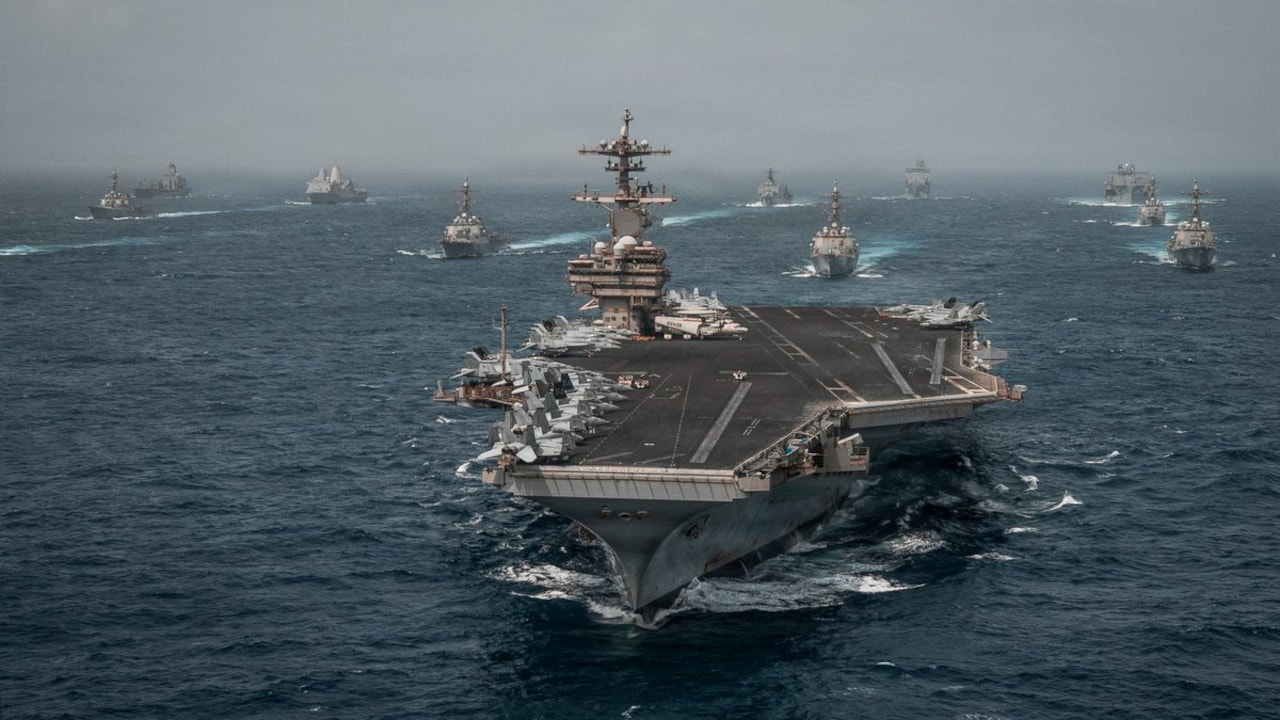
- Washington’s Position: The U.S. and its allies refused to accept Iranian authority over an international shipping lane. The U.S. Navy began escorting commercial ships along an alternative route close to the Omani coast, bypassing Iranian oversight.
Iran saw the U.S. naval escorts as a direct breach of the agreement. In response, the Islamic Revolutionary Guard Corps (IRGC) began targeting commercial shipping with drones and cruise missiles.
Once those anti-ship missiles started flying, the ceasefire was dead.
Inside the Latest Waves of U.S. Strikes
To understand the scale of the current military response, you have to look at the sheer intensity of the operations. Under the command of U.S. Central Command (CENTCOM), American forces have launched back-to-back waves of strikes aimed at dismantling Iran’s coastal defense infrastructure.
The military operations have focused on a concentrated strip of targets along Iran’s southern coastline and islands:
Targeted Locations
- Greater Tunb Island: A highly contested island in the mouth of the strait. U.S. forces conducted a sustained 90-minute barrage targeting cruise missile storage sites and coastal radar systems.
- Bandar Abbas and Abu Musa: Key naval bases and command hubs.
- Bushehr and Chah Bahar: Port facilities and air defense installations.
The goal of these precision strikes is simple: take out Iran's ability to fire at commercial ships. According to CENTCOM commander Admiral Brad Cooper, the operations are designed to impose a heavy cost on the regime and physically degrade its offensive capabilities.
But Iran is not backing down.
Iran Strikes Back at Regional Allies
The Iranian strategy is asymmetrical. Instead of engaging the U.S. Navy directly in a conventional battle, the IRGC is striking the regional hubs that make American operations possible.
Within hours of the American strikes, incoming missile and drone warnings went off in several neighboring countries. Kuwait, Bahrain, and Jordan have all faced retaliatory fire.
In Jordan, Iranian missiles targeted the Al-Azraq air base, a major storage and logistics facility used by U.S. forces. In Omani waters, Iranian cruise missiles struck two large tankers, the Mombasa and the Bahia, leaving crew members dead and injured.
Iran’s message to its neighbors is loud and clear: if you host U.S. forces or cooperate with their naval operations, you will pay a price.
The Reimposition of the Naval Blockade
In a decisive move, President Donald Trump announced the formal restoration of a U.S. naval blockade on all Iranian ports. Under this policy, the U.S. military is actively stopping and disabling any vessels attempting to transport cargo, particularly oil, to or from Iranian shores.
An early test of this policy occurred when U.S. forces intercepted and disabled a merchant vessel attempting to run the blockade to reach Kharg Island, Iran's primary oil export terminal.
U.S. Navy Blockade Line (Strait of Hormuz & Arabian Sea)
       │
       ▼
 [Iranian Ports / Kharg Island] ◄─── (Blocked/Disabled Ships)
       ▲
       │
 [U.S. Carrier Strike Groups] ───► Precision Coastal Strikes
Initially, the White House proposed charging a 20% "reimbursement fee" on all commercial cargo transiting the Strait of Hormuz to offset the immense costs of the U.S. military presence. The idea caused immediate panic in the shipping industry. However, after intense pushback and phone calls from regional leaders, the plan was abandoned.
The Gulf states reportedly offered to invest billions of dollars directly into the U.S. economy instead of implementing a controversial transit toll on international waters.
Where the Conflict Goes From Here
Right now, there is no clear diplomatic off-ramp.
The White House has warned that if Iran does not return to the negotiating table to hammer out a permanent nuclear and regional security deal, the targets will expand. The administration has threatened to hit Iran's inland electrical grids, bridges, and key industrial plants.
For its part, Tehran insists it will not negotiate under the pressure of a blockade.
For businesses and observers worldwide, the situation requires close monitoring of three key pressure points:
- Global Energy Prices: With the Strait of Hormuz heavily contested, Brent crude prices are already climbing. Expect continued volatility in energy markets.
- Maritime Insurance Rates: Shipping companies are facing astronomical insurance premiums to transit the Gulf of Oman, forcing many to consider the long, expensive route around the southern tip of Africa.
- Regional Escalation Risks: Watch the air defense activity in Jordan, Kuwait, and Bahrain. As long as Iran targets these host nations, the risk of a broader coalition war remains dangerously high.