The Canadian government's sudden, frantic order telling the CRTC to back off tripling streaming fees on companies like Netflix is not an isolated policy flip-flop. It is a textbook symptom of an entirely bankrupt approach to cultural economics. For years, legacy media groups and short-sighted politicians built a cozy narrative. They claimed that forcing massive American tech firms to surrender 15% of their domestic revenue to bankroll local productions would save homegrown storytelling.
It was a beautiful lie. Then reality hit.
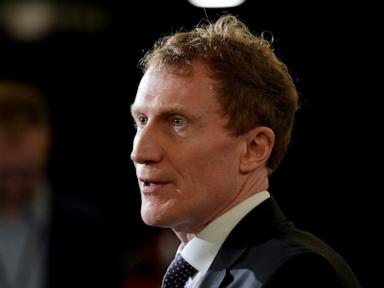
The moment the United States threatened devastating trade retaliations right in the middle of crucial free trade negotiations, Ottawa panicked. Culture Minister Marc Miller rapidly pivots, announcing a $600 million taxpayer funded band-aid to quiet the local production lobby, while Prime Minister Mark Carney suddenly discovers the concept of consumer affordability.
The entire saga exposes a fundamental truth that the entertainment elite refuses to admit. The legacy model of forcing foreign platforms to fund domestic content through artificial regulatory mandates is officially dead. It cannot survive a globalized, internet driven market. Trying to regulate a borderless streaming platform using rules written for 1970s cable television is like trying to enforce a speed limit on a commercial satellite.
The Lazy Consensus of Protecting Culture
I have watched public institutions and legacy media empires pour millions of dollars into lobbying for these protectionist schemes. The standard argument is always wrapped in nationalist sentiment. They argue that because massive foreign platforms make hundreds of millions from local subscribers, they owe a blood tithe to the domestic creative sector.
This view completely misunderstands how modern digital economies function.
When a regulator like the CRTC dictates that a global streaming service must hand over a massive chunk of gross revenue to local production funds, it creates an immediate structural bottleneck. It assumes that capital is captive. It assumes that Netflix, Amazon, and Disney will simply absorb the cost out of pure corporate generosity.
They will not. In the real world, a 15% revenue levy operates exactly like a consumption tax. It gets passed directly to the consumer in the form of higher monthly subscription fees, or the platform simply pulls its capital out of the region entirely. The legacy broadcasters who cheered for this regulation were not trying to save local culture. They were trying to get a foreign competitor to subsidize their own structural inefficiencies.
The Hidden Failure of Content Quotas
The ultimate irony of these regulatory mandates is that they destroy the very creative industries they are supposed to protect. When you guarantee funding to a domestic production sector based on geography and compliance paperwork rather than commercial viability, you kill innovation.
- Complacency Over Quality: Producers stop making content that can compete globally because they are guaranteed a payout from a regulated fund.
- Copyright Stagnation: Rules like the CRTC’s expenditure quota often require a domestic entity to own the majority of the copyright. This instantly discourages foreign tech giants from committing major capital to local high-budget productions.
- The Funding Void: When the government steps in to override the regulator—as it just did—the entire system collapses into corporate welfare, forcing everyday taxpayers to foot a $600 million bill to replace the artificial regulatory revenue.
Imagine a scenario where a local independent filmmaker spends years trying to secure funding through a complex network of government boards, points systems, and regulatory check-boxes. They are forced to alter their script, change their cast, and modify their creative vision just to satisfy a bureaucrat’s definition of cultural identity. Meanwhile, a creator on a borderless digital platform uploads a video made for a fraction of the cost that captures millions of global views organically.
Which one is actually exporting culture?
The CUSMA Reality Check
The regulatory overreach did not fail in a vacuum. It crashed headfirst into international trade reality. Under modern trade frameworks like CUSMA, aggressive digital levies targeted almost exclusively at dominant American platforms are viewed as blatant trade barriers.
By pushing the levy up to 15%, the regulator handed Washington a massive lever during a high-stakes trade review year. The threat of retaliatory tariffs on core industrial exports made the streaming tax an impossible economic position. The government did not back down because it suddenly cared about the monthly cost of a premium subscription. It backed down because a trade war over television content is a losing proposition for any country dependent on open borders.
How to Actually Build a Self-Sustaining Creative Industry
If the goal is to build a vibrant, world-class entertainment sector, the solution is not to pick the pockets of successful foreign digital platforms to prop up a dying legacy model. The entire framework needs to be flipped.
First, dismantle the rigid, bureaucratic definition of what constitutes domestic content. Stop measuring cultural value by checking the passports of the key creative personnel or demanding majority copyright ownership by legacy domestic networks. If an international platform wants to spend $100 million shooting a massive sci-fi series in a local studio, employing thousands of local technical crews, digital artists, and actors, that is a massive win for the domestic industry.
Second, replace coercive revenue levies with competitive tax incentives. Global production capital flows toward predictability and talent. By making the local production environment financially attractive through streamlined tax credits rather than aggressive regulatory penalties, you encourage voluntary, long-term infrastructure investment.
Third, force domestic production companies to compete on global terms. The internet has democratized distribution. If a piece of content requires an artificial regulatory shield and a mandatory subscription tax just to exist, the audience is trying to tell you something.
The era of the protectionist broadcast regulator is over. The governments that accept this reality will become global production powerhouses. The ones that continue to fight it will spend billions in taxpayer money trying to save an industry that has already moved on.