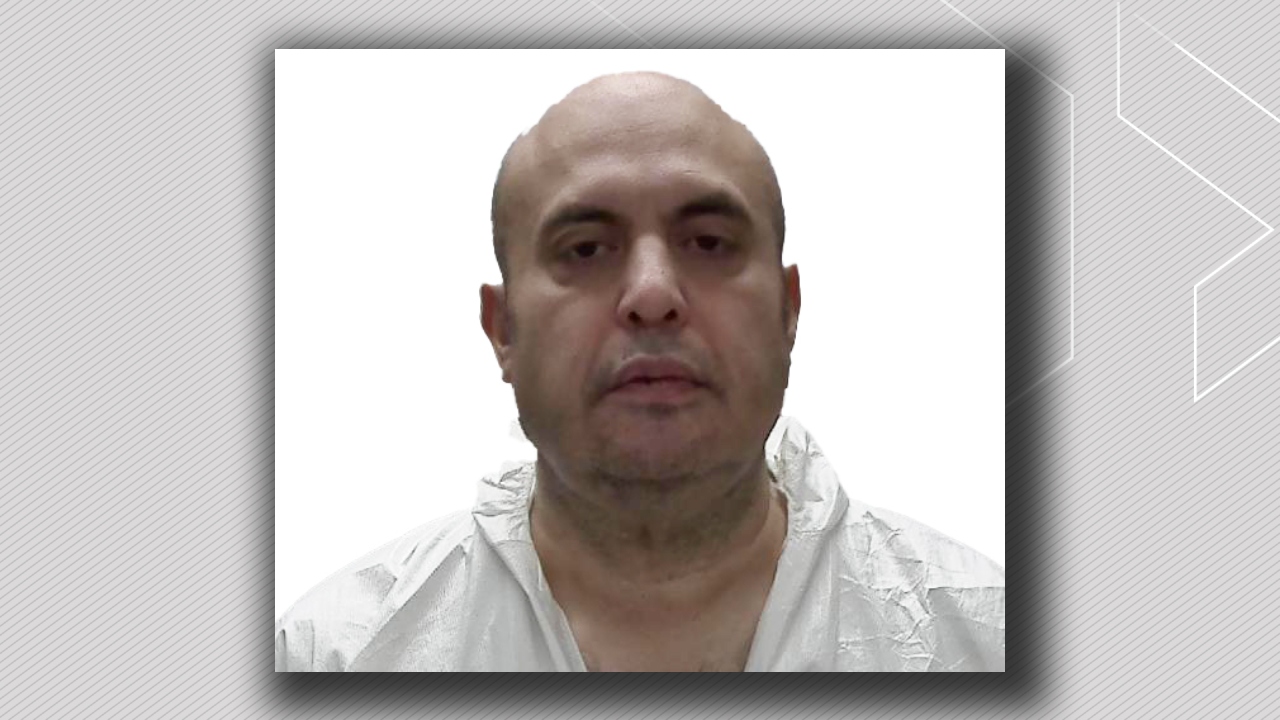
The media has a pathological obsession with the incremental mechanics of the Canadian criminal justice system. A reporter sits in a Lethbridge courtroom, listens to a defense attorney and a prosecutor agree to an administrative placeholder date, and rushes to publish a headline screaming that a "pre-trial date has been set."
This is not journalism. It is stenography.
By treating routine administrative scheduling as a breaking news milestone, local media creates a false illusion of momentum. The real story is not that a procedural box has been checked in the case of a Lethbridge man facing severe sexual assault charges. The real story is the staggering, institutional lethargy that masks itself as due process.
The Mirage of Legal Momentum
When the public reads that a pre-trial conference or a trial date is scheduled, there is a collective, subconscious sigh of relief. The system is working, right? Wrong.
I have watched defense lawyers and prosecutors play the adjournment game for years. In high-stakes criminal matters, setting a date is often just a tactic to buy more time for disclosure review, charter arguments, or negotiation behind closed doors. It is a placeholder, not a guarantee.
In Canada, the landmark Supreme Court ruling in R. v. Jordan established strict ceilings for how long a case can take to go to trial: 18 months for provincial courts and 30 months for superior courts. What the standard court report fails to mention is that the clock is constantly being paused or manipulated. Defense-caused delays do not count toward the Jordan limit. Consequently, the scheduling of a pre-trial conference is frequently a symptom of a gridlocked docket rather than an actual step toward resolution.
The Real Mechanics of Pre-Trial Delay
To understand why the "lazy consensus" of legal reporting is so destructive, you have to look at what actually happens during these procedural steps. A pre-trial conference is not an evidentiary hearing. It is a meeting between a judge, the Crown, and the defense to discuss:
- Estimated trial length and witness availability.
- The management of complex evidence or applications (such as Garofoli or Seaboyer applications).
- Potential resolutions that could avoid a trial altogether.
When a news outlet reports solely on the date being set, they ignore the substance. Is the defense planning to challenge the voluntariness of a statement? Is the Crown struggling to secure witness testimony? By sanitizing the process into a single calendar date, the public is left completely blind to the systemic vulnerabilities that cause serious cases to collapse before a jury is ever empaneled.
The True Cost of Procedural Theater
The true victims of this procedural theater are not the metrics of the court, but the individuals involved. For the complainant, every adjourned date and every newly scheduled "pre-trial conference" prolongs the trauma. For the accused, who maintains the presumption of innocence until proven guilty, an extended pre-trial window spent in interim custody or under strict bail conditions ruins lives long before a verdict is rendered.
Imagine a scenario where a complex case is delayed for two years under the guise of "thorough preparation." Memories fade. Witnesses move away. Public interest wanes. When the trial finally occurs, the systemic delay itself has compromised the integrity of the truth-seeking process.
Stop celebrating the calendar. Demand transparency on why the wheels of justice turn so slowly, or accept that the process itself has become the punishment.
For a deeper look into how these court proceedings stall and the local impact of these legal timelines, you can watch this Lethbridge court update report detailing the progression of recent assault charges.