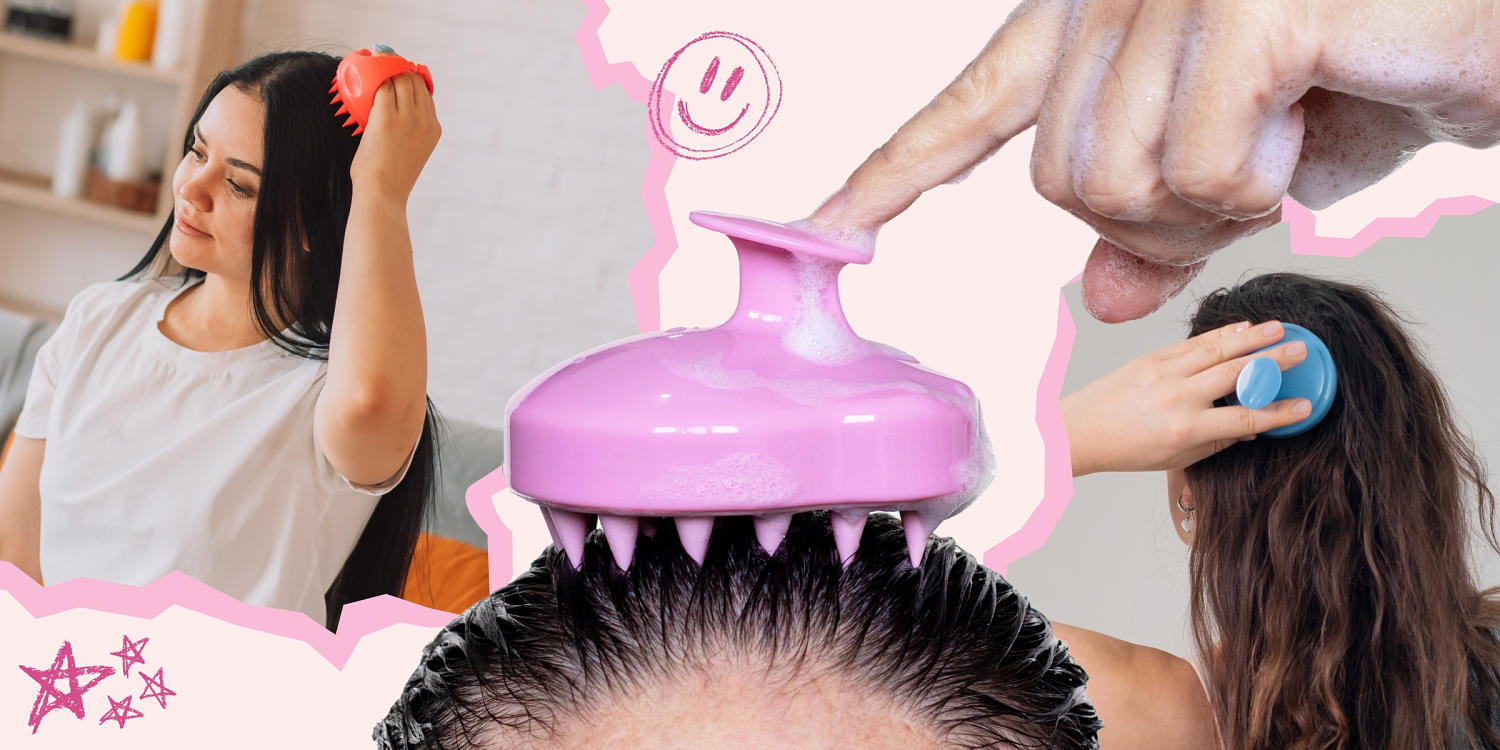
Every wellness influencer with a silicone nub in hand is currently lying to you. They are telling you that five minutes of aggressive circular scrubbing with a rubber thumb-impostor in the shower is going to resurrect your follicular units, clear your sebum plugs, and reverse twenty years of genetic destiny. It is a comforting fairytale sold by people who make a commission every time you add a twelve-dollar piece of molded plastic to your Amazon cart.
The lazy consensus in the beauty space treats scalp massagers like tiny mechanical miracle workers. The standard narrative claims that friction increases blood flow, which stimulates hair growth, which somehow cures pattern baldness. It sounds logical if your understanding of human biology begins and ends with a high school health pamphlet.
Let us dismantle the fiction.
The Blood Flow Fallacy
The core argument for scalp massagers hinges on vasodilation. Proponents point out that rubbing your head turns your skin red. Red skin means increased blood flow. Increased blood flow means more nutrients delivered to the hair papilla. Case closed, right?
Wrong.
Dermatologists and trichologists who actually read the literature know that the pathophysiology of androgenetic alopecia has almost nothing to do with a lack of superficial blood supply. In pattern hair loss, dihydrotestosterone shrinks the hair follicles over time through a process called miniaturization. Your scalp does not have an ischemic blood flow problem. Pushing harder on your head with a plastic knob does not alter your genetic sensitivity to androgens, nor does it override the hormonal signaling pathways driving hair loss.
If increased surface circulation cured baldness, chronic head-scratchers would have the thickest manes on the planet. They do not.
I have spent a decade watching beauty brands repackage basic hygienic tools as medical interventions. I have seen marketing budgets incinerated on campaigns promising miraculous regrowth through mechanical manipulation alone. The truth is much more mundane, and far less profitable to share: a piece of rubber cannot rewrite your DNA.
What These Tools Actually Do
Strip away the marketing hyperbole, and scalp massagers are nothing more than physical exfoliants and lather distributors. That is it. They feel incredible because your scalp is packed with nerve endings, and mechanical stimulation triggers a satisfying release of sensory feedback.
Used correctly, a silicone massager can help lift dead skin cells and break up heavy buildup from styling products, styling waxes, and hard water minerals. If you suffer from stubborn dandruff or seborrheic dermatitis accompanied by thick scale, manual exfoliation can physically clear the debris that shampoo alone might miss.
Notice what is missing from that list: growing new hair out of dead follicles.
When you press down with those rigid or semi-flexible spikes, you are interacting with the stratum corneum and the superficial dermis. You are not reaching the deep subcutaneous tissue where the hair bulb actually lives and derives its blood supply from a rich vascular network supplied by the body's internal circulation. Surface friction does not penetrate deep enough to jump-start a dormant follicle.
The Danger of Over-Manipulation
The wellness industry loves to push the mantra that if a little bit is good, more must be obsessive perfection. This mindset is actively destroying people's scalps.
When people buy these tools, they often adopt a heavy-handed, circular scrubbing motion, treating their head like a dirty cast-iron skillet. This causes mechanical trauma.
The skin on your scalp is delicate, highly vascularized, and prone to micro-tears when subjected to abrasive friction, especially when hair is wet and in its most fragile, elastic state. Wet hair stretches and snaps easily. Dragging plastic teeth across the scalp while applying heavy downward pressure leads directly to traction alopecia, cuticle abrasion, and localized inflammation.
If you already struggle with an inflammatory skin condition like psoriasis or severe eczema, aggressive mechanical massagers act like sandpaper on raw tissue. You end up worsening the very flaking and irritation you are trying to solve.
Redefining the Search Intent
People type queries into search engines looking for shortcuts. They want to know if scalp massagers cause hair growth because they are terrified of medical treatments like minoxidil, finasteride, or expensive clinical interventions like platelet-rich plasma therapy. They want a cheap, painless fix that fits neatly into a luxury self-care routine.
Let us answer the common questions with brutal honesty.
- Do scalp massagers grow hair? No. They do not generate new follicles, nor do they halt hormonal hair loss.
- Do they reduce stress? Yes. Scalp massage lowers cortisol temporarily through sensory stimulation, which is genuinely beneficial for overall well-being, though it will not save your hairline.
- Can they help with product absorption? Marginally. Clearing away heavy buildup allows topical treatments to make direct contact with the skin, but a mild shampoo does the same thing without the friction risk.
The Unconventional Protocol That Actually Works
If you want to optimize your scalp health and maximize your hair density, stop relying on gimmicks and focus on systemic, proven interventions.
First, treat your scalp like facial skin. You would not take a hard plastic brush to your face every single day, so stop doing it to your crown. If you like the sensation of a massager, use it gently once a week during a pre-shampoo oil treatment to help loosen stubborn sebum, not as a daily growth tool.
Second, address the actual root causes of hair thinning. If you are losing hair due to pattern baldness, look to clinically validated options. Topical or oral anti-androgens and minoxidil work on the cellular and vascular levels where the problem actually lives. They change the biochemical environment of the follicle. Plastic spikes do not.
Third, audit your cleansing routine. Most people either over-strip their scalps with harsh sulfates or under-cleanse out of fear, leading to inflammatory buildup. Use a clarifying shampoo bi-weekly to reset the skin barrier.
Throw away the illusion that a twelve-dollar piece of silicone is going to defy your genetics. Stop scrubbing your scalp into submission. Real hair health comes from clinical reality, not bathroom theater.