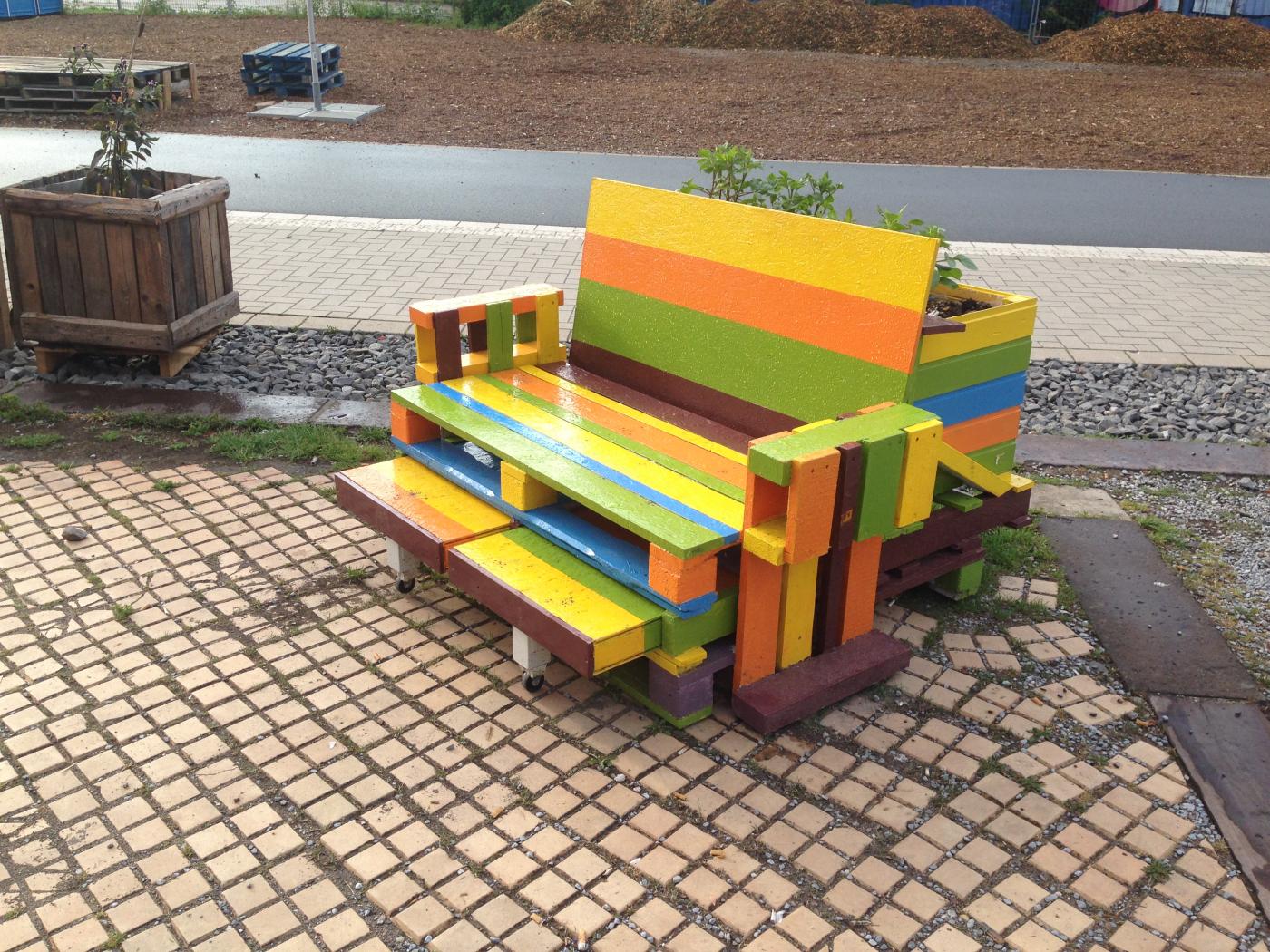
The feel-good narrative is a trap. We see a carpenter in a disaster zone stripping down a shipping pallet to build a bed frame and we call it "resilience." We call it "ingenuity." We celebrate the triumph of the human spirit over a broken supply chain.
That narrative is a lie. It's a dangerous distraction from the cold, hard physics of logistics and structural engineering.
Turning a shipping pallet into a bed isn't a victory. It’s a desperate, inefficient hack that highlights a total failure of scalable infrastructure. If you’ve ever spent time managing hardware procurement or high-volume manufacturing, you know that a pallet is the least optimized starting point for a finished product. It’s a waste of calories, a waste of tools, and a waste of time.
The Myth of the Free Resource
The common misconception is that pallets are "free" or "abundant" scrap. In a conflict zone like Gaza, nothing is free. Everything has a caloric cost.
Disassembling a standard stringer pallet without splintering the low-grade pine or poplar requires specialized pry bars and a massive amount of physical labor. You are burning energy—a scarce resource—to extract warped, nail-ridden, chemical-treated timber. Most of these pallets are treated with Methyl Bromide (marked with an "MB" stamp) or various fungicides to prevent the spread of invasive pests across borders.
When you sand that wood down in a small, unventilated workshop to make it "simple" or "rustic," you are aerosolizing toxins. We’re not just building beds; we’re building long-term respiratory issues for the sake of a heartwarming headline.
The Efficiency Gap
Logistics is about the movement of mass over distance with minimal friction. Wood is heavy. Wood is bulky. Wood is prone to rot and infestation.
If the goal is to provide sleeping platforms for thousands of displaced families, the "artisan carpenter" model is a failure of scale. One carpenter might make two beds a day from scrap. That’s a rounding error in a crisis.
What the "wood is scarce" crowd fails to grasp is that the solution isn't better scavenging; it's a pivot to materials that don't require a forest. We should be talking about injection-molded recycled plastics, lightweight aluminum extrusions, or corrugated structural paper.
Imagine a scenario where, instead of sending food on wooden pallets that are then painstakingly dismantled, the pallets themselves were designed as modular, snap-together components for furniture. This is called "dual-use logistics," and the fact that we aren't doing it shows how stuck we are in 19th-century thinking.
The Quality Lie
Let's talk about the beds themselves. A pallet is built for static loads, not dynamic human movement. The wood is often "green"—high moisture content—which means as it dries in a Mediterranean climate, it will bow, crack, and pull apart at the joints.
A "simple bed" made from this material is a temporary fix that creates a permanent problem. It isn't ergonomic. It doesn't support spinal health. It’s a wooden slab that will be firewood in six months.
When we praise these efforts, we lower the bar for what aid and local industry should look like. We accept "good enough" because the backdrop is tragic. But a person in a tent deserves the same structural integrity as a person in a penthouse. Scarcity isn't an excuse for bad engineering; it’s the most urgent reason for perfect engineering.
Stop Treating Symptoms
The "People Also Ask" section of our collective consciousness usually focuses on how to make these pallets safer or how to find more of them. Those are the wrong questions.
The right question is: Why are we still using a 1920s storage patent as the primary building block for emergency housing?
We have 3D printing capabilities that can turn rubble into concrete. We have carbon-fiber reinforced polymers that are lighter than pine and stronger than steel. We have the technology to drop-ship flat-packed, tool-less assembly kits that could house a city in a weekend.
Instead, we write features about a guy with a hammer and a rusty nail.
The Hidden Cost of "Handmade"
I have seen procurement officers in various industries opt for the "local, artisanal" route because it looks better in a CSR report. It’s a vanity metric.
When you prioritize the "hand-crafted" look in a crisis, you are choosing a slow, expensive, and inconsistent production method. True expertise lies in automation and standardization. If you want to help a population, you don't give them a workshop of pallets; you give them a factory of molds.
You give them the ability to produce ten thousand identical, stackable, hygienic units that can be sanitized and moved.
The Nuance of Survival
Is the carpenter in Gaza talented? Yes. Is his effort noble? Absolutely. But is it a model for the future? No. It’s a symptom of a systemic bottleneck.
The contrarian truth is that the more we celebrate these "simple" solutions, the less pressure we put on the global logistics machine to actually innovate. We settle for the romanticized version of poverty rather than demanding the industrialization of relief.
We need to stop looking at the pallet as a resource and start looking at it as an admission of defeat.
Industrial design exists to solve problems at scale. If it can't solve a bed shortage in a strip of land 25 miles long, then the design has failed, the engineers have failed, and the journalists writing the fluff pieces are just complicit in the stagnation.
Efficiency is the only real form of empathy in a crisis. Everything else is just a hobby.
Build a factory, not a bed.