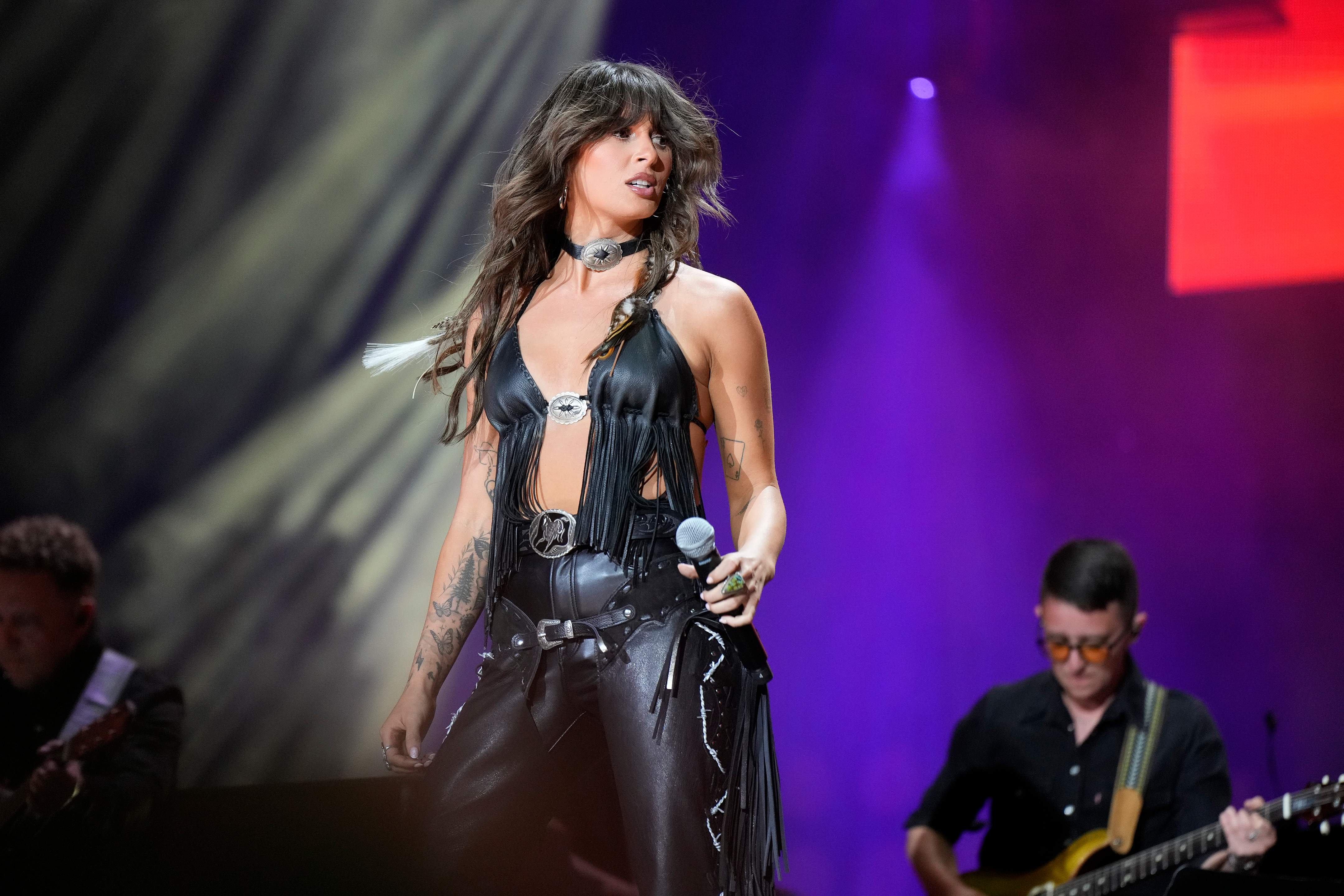
Every music critic and pop culture blogger in Nashville is currently tripping over themselves to write the exact same empty headline. They act like not knowing every lyric to Choosin Texas is some kind of moral failing. Hands up everyone who has never heard it, they type with trembling fingers, desperate to virtue-signal their country music authenticity.
Let us be entirely honest for a second. Most of the people typing those glowing think-pieces could not pick Ella Langley out of a police line-up if their lives depended on it. They stream a track twice while half-listening on their morning commute, read three promotional blurbs from a PR firm, and immediately start manufacturing opinions on the state of modern roots music.
It is lazy journalism wrapped in manufactured outrage. The lazy consensus says that underground breakthroughs happen because of raw, organic magnetism and lucky lightning strikes in dive bars. The reality is much more mechanical. The machinery behind a breakout country crossover hit is calculated, heavily funded, and engineered to exploit the exact psychological loops of algorithmic discovery.
I have watched dozens of acts get propped up by the exact same Nashville publicity mills. The PR push treats every rising singer like a generational savior, pushing a narrative of grassroots grit while ignoring the polished production lines and major-label backing doing the heavy lifting. When an artist like Langley catches fire, the industry treats it as an accidental miracle of authentic storytelling. It is not an accident. It is a formula.
The Myth of the Accidental Country Breakthrough
Look closely at how modern country media operates. A track drops, the streaming algorithms pick up the early momentum from targeted playlisting, and suddenly every culture writer scrambles to find the deeper meaning. They invent narratives about how this specific song captures the raw pulse of working-class heartbreak or rebellious independence.
Nobody wants to admit that the song works because it checks every single box of modern commercial formatting. The vocal delivery hits the exact sweet spot between traditional twang and modern pop-radio gloss. The tempo matches the optimal engagement window for short-form video platforms. The lyrics lean into safe, relatable tropes about independence and complicated romance without ever actually alienating a mainstream demographic.
When you pretend that every song capturing momentary attention is a profound cultural milestone, you cheapen actual artistic innovation. You turn music criticism into a giant echo chamber where everyone nods along to press releases disguised as opinion pieces.
Imagine a scenario where the music industry operated with actual transparency. Labels would admit right out of the gate that a track is a calculated commercial play designed to capture a specific demographic slice during a specific quarter. Critics would evaluate the song based on its actual structural mechanics rather than inventing deep emotional backstories for clicks.
We do not live in that world. Instead, we get endless waves of performative discovery. Everyone wants to be the person who found the artist first, even if they only found them because a major label spent six figures on targeted digital ad placements.
What People Get Wrong About Authenticity
The core misconception fueling all this commentary is that modern country fans care about deep-seated authenticity. They do not. They care about vibes, identity signaling, and catchy hooks that translate well to a four-wheeler tailgate or a Friday night drive.
Country music has always been an industry built on manufactured mythology. From the outlaw personas of the seventies to the rhinestone-studded gloss of the nineties, the genre survives by selling a polished fantasy of rustic independence to suburban audiences. Complaining that someone has not heard a specific track misses the entire point of how modern media consumption works. Attention is fragmented. People do not listen to albums anymore; they graze on snippets.
If you have not heard Choosin Texas, congratulations. You are simply participating in a normal, modern media diet where thousands of tracks compete for your ears every single day. Refusing to play along with the manufactured hype cycle is not a sign of bad taste. It is a sign of sanity.
The music business thrives on FOMO. It relies on making you feel like you are missing out on the cultural zeitgeist so you will stream the track, share the article, and buy the merchandise. The moment you stop caring about what the tastemakers tell you is essential, the illusion falls apart.
Stop letting pop culture commentators shame you for having gaps in your playlist. The song is fine. The marketing campaign is loud. The think-pieces are predictable.
Turn off the noise, listen to what actually moves you, and stop pretending you care about the latest manufactured sensation just to fit in with the timeline.