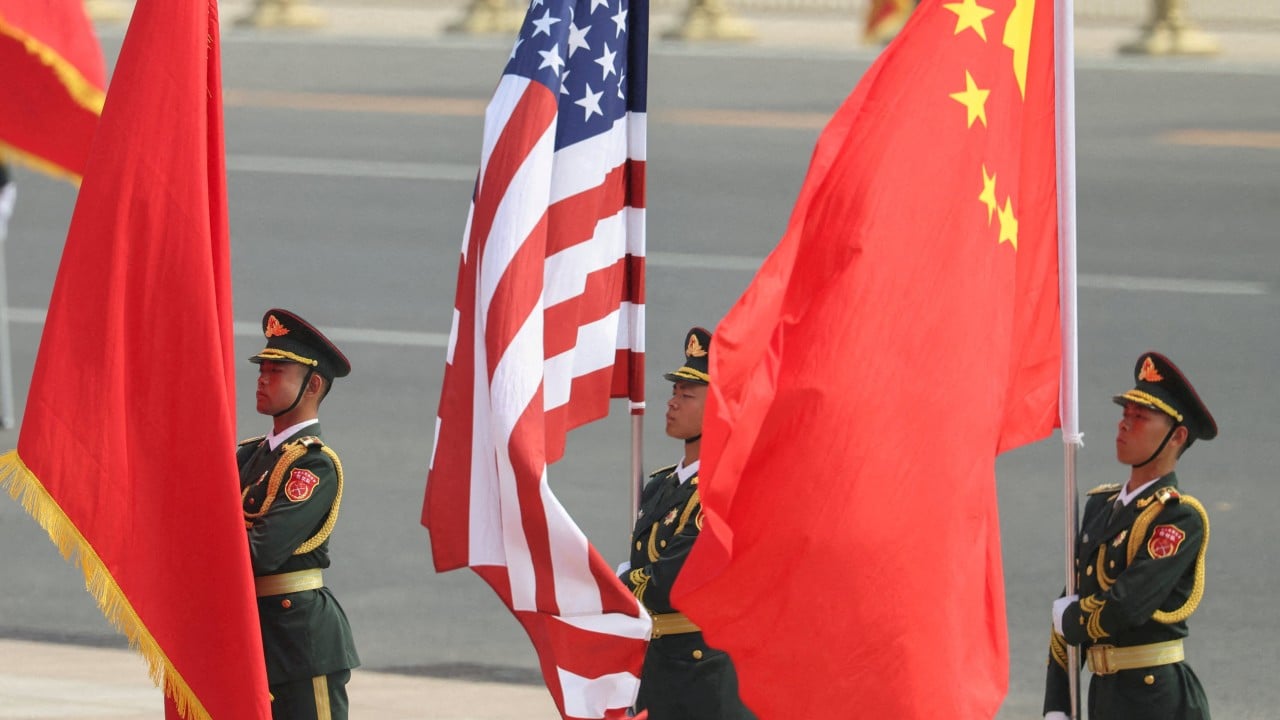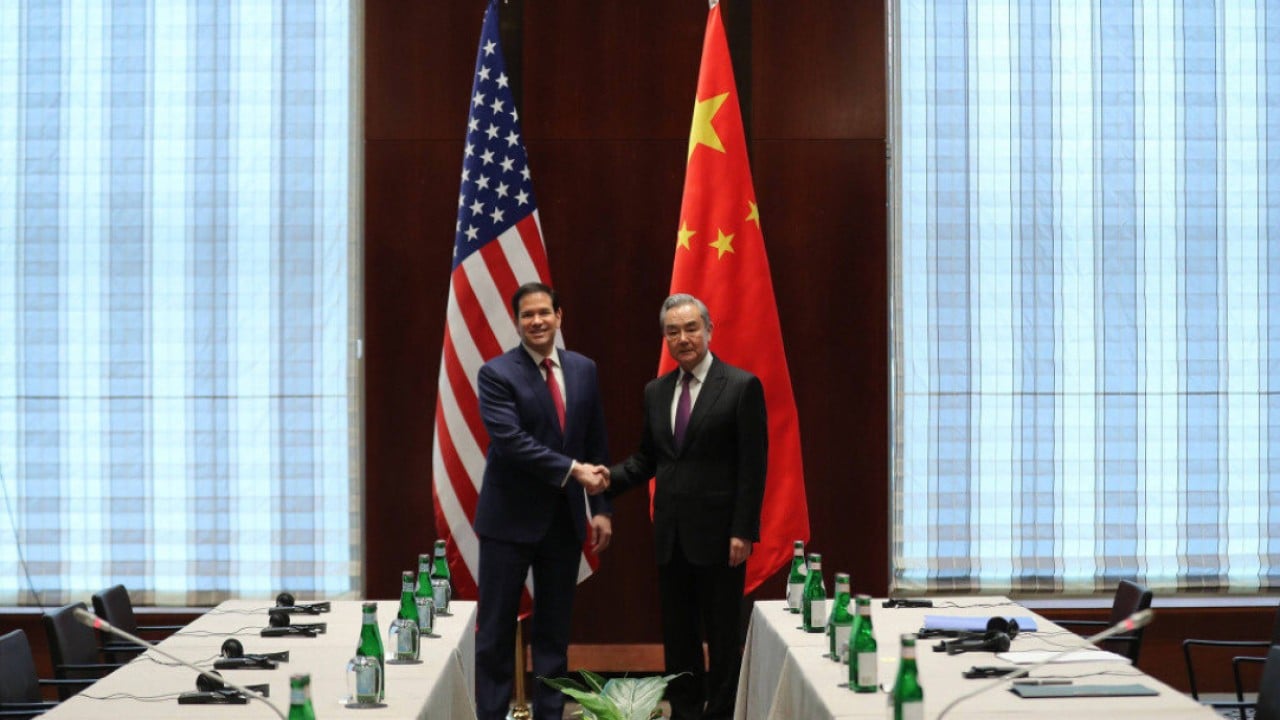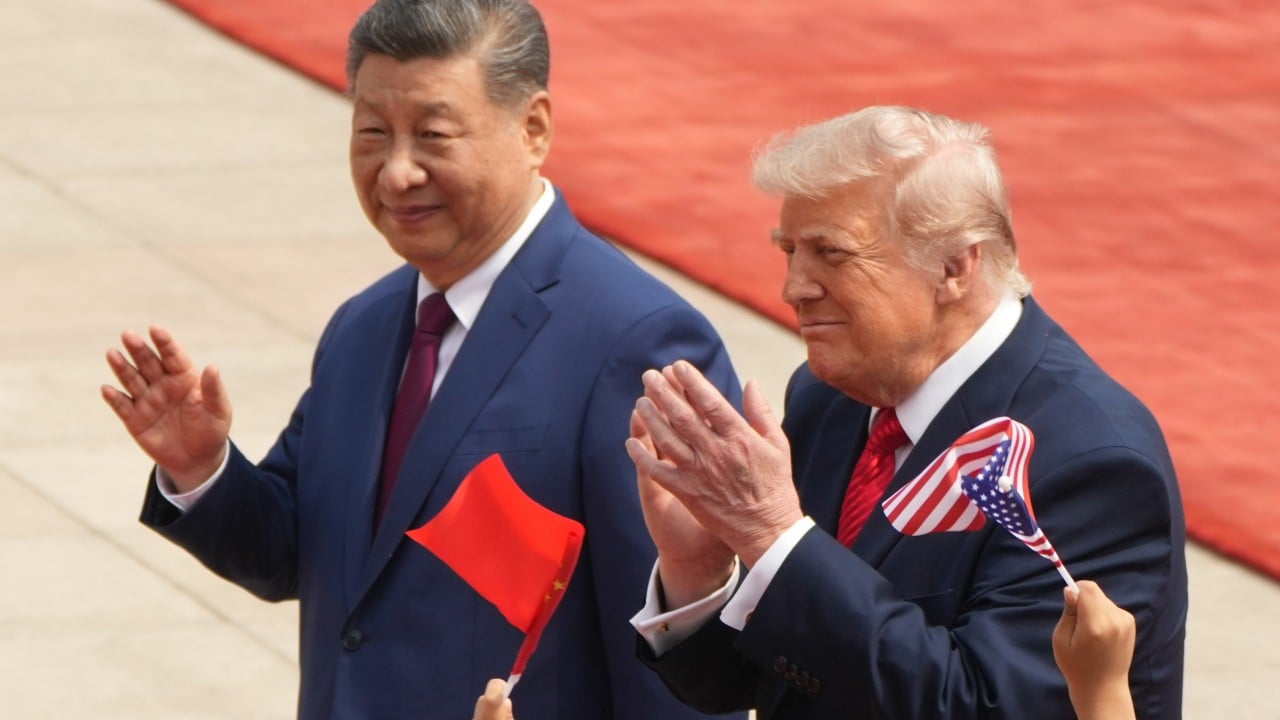
Every time a foreign head of state touches down on American soil, the media industrial complex descends into a collective frenzy of body-language analysis. When the venue shifts from the South Lawn of the White House to the asphalt of Joint Base Andrews, cable news anchors start vibrating with speculative glee. They treat a greeting on a military runway like a coded dispatch from a secret society.
It is pure, unadulterated theater.
Let us dismantle the prevailing delusion that the choice of an airport greeting signifies a tectonic shift in international relations, personal rapport, or diplomatic hierarchy. The consensus narrative tells you that meeting a leader at Andrews signals an unprecedented level of respect or a calculated diplomatic signal. This is what happens when people who have never managed a high-security transport operation try to decode statecraft.
The Reality of Tarmac Logistics
Security protocols dictate movement, not emotional gestures of goodwill. When a principal of Xi Jinping's security clearance level arrives, commercial airspace and metropolitan traffic patterns dictate a controlled entry point. Joint Base Andrews offers secure hangar space, direct helicopter transit via Marine One, and zero interference from local civilian commuter chaos.
For decades, Washington insiders have weaponized routine logistical decisions into prestige metrics. If a president meets someone at the base, it is framed as an honor. If they meet at the White House, it is standard. If they meet on neutral ground, it is a snub. This triad of journalistic fantasy ignores the mundane reality of motorcade routes, Secret Service threat matrices, and Federal Aviation Administration airspace restrictions.
When you strip away the punditry, an airport tarmac is concrete, wind, and security checks. It is not a peace treaty.
The Substance Vacuum
We have built an entire media ecosystem that rewards optical obsession over structural reality. While pundits spend forty-eight hours dissecting whether a greeting on a military base implies a softening of trade tensions, actual policy execution proceeds without interruption.
Geopolitical power does not flow from where a handshake occurs. It flows from sovereign balance sheets, semiconductor fabrication dominance, rare earth mineral supply chains, and military deterrence architecture. Imagining that a leader feels more or less compelled to compromise on intellectual property theft or territorial disputes because of where their jet parked is infantile.
I have watched corporations blow millions redesigning corporate headquarters to signal cultural change while their core business model rotted. Governments fall into the exact same trap. We project our desire for tidy narrative arcs onto chaotic, transactional power struggles.
The Misplaced Focus on Personal Rapport
The underlying assumption of the tarmac obsession is that international relations run on interpersonal chemistry. The trope of powerful leaders locking eyes, finding common ground, and resolving decades of structural friction over a handshake or a private dinner is a comforting fairy tale for people who prefer drama over data.
Statecraft is structural. Beijing does not alter its long-term industrial planning because of hospitality gestures in Maryland. Washington does not drop export controls on advanced computing components because a motorcade bypassed District of Columbia traffic. Interests dictate alignment, not the geography of a welcome committee.
When observers treat a greeting venue as a barometer of success, they obscure the metrics that actually matter. Watch the tariff implementation dates, the export license approvals, the capital controls, and the defense posture adjustments. Ignore the background music of airport welcomes.
Why the Illusion Persists
Why do smart people fall for this every single time? Because analyzing structural economics and trade mechanics is hard, tedious work. Decoding body language and protocol trivia is easy.
Media outlets need daily dopamine hits. A high-stakes summit provides the canvas, but mundane diplomatic reality is boring. So, producers manufacture drama out of logistics. They turn a security routing decision into a diplomatic cliffhanger.
If you want to understand where United States and China relations are heading, look at industrial capacity utilization rates, shipping container costs, and tech talent migration. Do not look at whether Marine One rotors were spinning when a foreign delegation stepped off the stairs.
The Uncomfortable Truth About State Visits
Every major bilateral meeting is choreographed months in advance by mid-level bureaucrats who spend weeks arguing over word choices in joint communiqués. By the time the principals step off their respective aircraft, the script is written.
The venue is chosen based on security requirements, weather contingencies, scheduling efficiency, and media pool management. It is a product of risk mitigation, not a sudden burst of presidential affection or hostility.
When analysts try to read tea leaves from runway arrangements, they reveal their own detachment from operational reality. They are reading horoscopes while the central bank adjusts interest rates.
How to Cut Through the Noise
Next time you see a breathless headline about a diplomatic slight or an extraordinary honor based on a meeting location, apply a simple filter. Ask yourself what concrete economic or military power shifted because of that logistical choice.
The answer is always zero.
Real power is quiet, structural, and institutional. It operates in customs offices, patent courts, and defense laboratories. It does not depend on whether a red carpet was rolled out on an air force base or the South Lawn. Stop watching the tarmac. Watch the balance of power.