Headlines blare that fewer than half of Americans expect midterm elections to be free and fair. Pundits clutch their pearls on cable news, warning of an impending democratic collapse. Analysts point to polling data from research centers like Pew or UC San Diego and declare a crisis of confidence in American institutions.
Here is the inconvenient truth nobody wants to say out loud: this widespread anxiety is not a sign that our elections are broken. It is a manufactured symptom of a political class that profits from systemic paranoia.
The Myth of the Golden Age of Trust
Every election cycle brings the same tired lament that public faith in voting is at an all-time low. This narrative relies on a historical fiction. There was never a golden era where every citizen trusted the ballot box implicitly.
Think back through modern political history. In 2000, a Supreme Court decision decided the presidency, leaving half the country convinced the vote was stolen. In 2016, foreign interference claims dominated the news cycle. In 2020, mail-in voting triggered mass accusations of widespread ballot stuffing. Voter skepticism is a permanent fixture of a polarized republic, not a sudden emergency.
When pollsters ask citizens if an election will be fair, they are not measuring the objective security of optical scanners or voter registration databases. They are measuring team sports anxiety. If "my side" is losing the cultural or legislative momentum, the system itself must be rigged.
Why Low Expectations Might Actually Save Us
Panic over election integrity leads to terrible policy proposals. We see state legislatures rushing to pass restrictive voting laws under the guise of security, or conversely, dismissing basic chain-of-custody safeguards as mere voter suppression. Both extremes miss the mark because they treat American elections like a fragile piece of fine china rather than a decentralized, highly redundant bureaucratic machine.
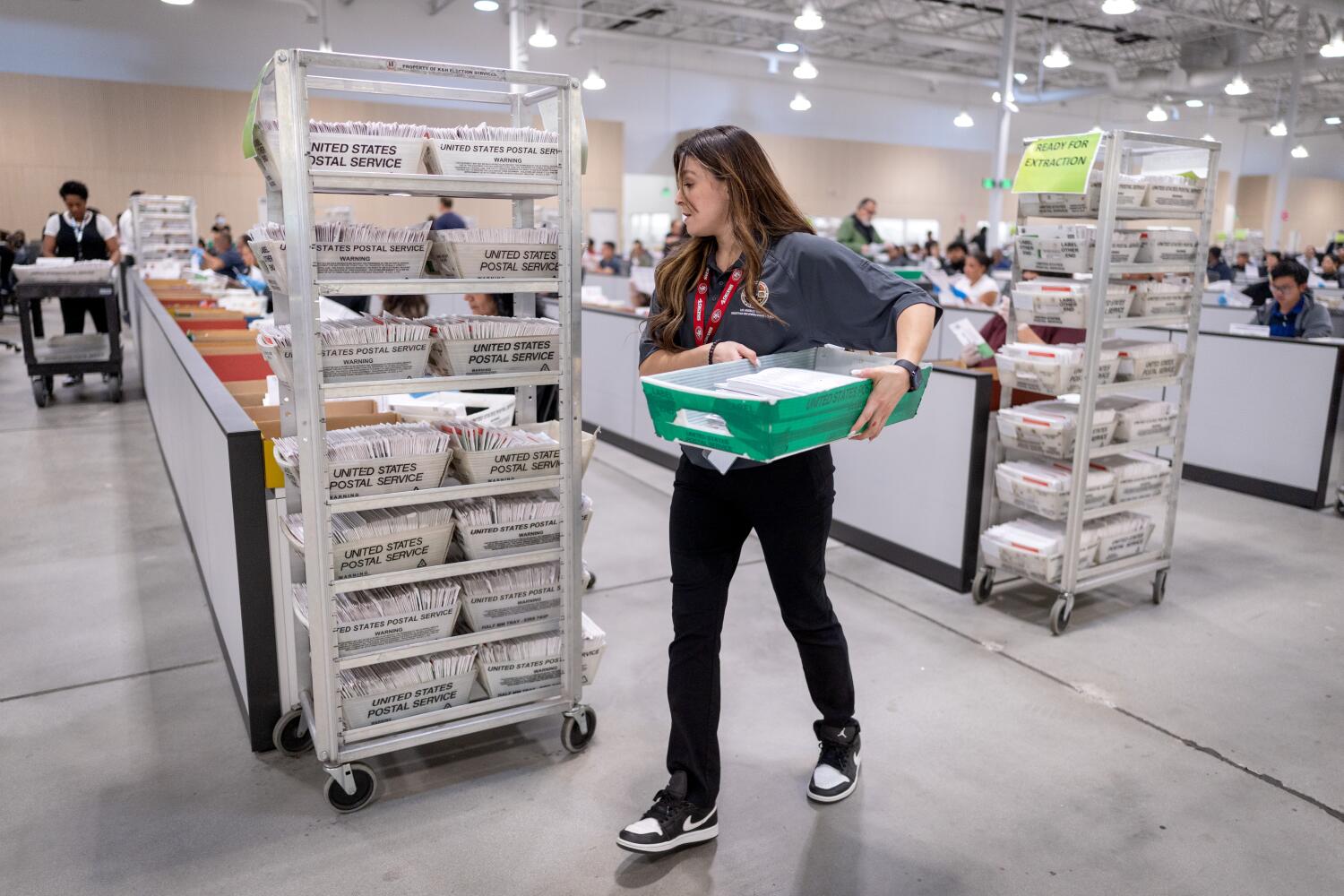
Let us look at how the machine actually functions. American elections are not run by a single federal entity that can be easily compromised. They are decentralized across thousands of independent county boards, local clerks, and bipartisan poll workers. This fragmentation is precisely what makes nationwide rigging nearly impossible.
When voters express deep skepticism, they are often reacting to headlines about cyber threats, foreign misinformation, or administrative chaos. Yet, decentralized redundancy acts as a built-in shield against systemic failure. A hack or administrative error in one county does not cascade across a state, let alone the nation.
The Real Threat Is Apathy, Not Malice
Focusing obsessively on whether an election is "free and fair" in the abstract creates a toxic form of political paralysis. It tells citizens that their individual vote is merely a drop of water in a polluted ocean, easily manipulated by shadowy forces.
This is backward. The mechanics of local voting—paper trails, hand-marked ballots in many jurisdictions, bipartisan oversight teams, and public post-election audits—are more transparent today than they were thirty years ago. The threat to democracy is not that votes are disappearing into a black hole; it is that citizens are convincing themselves to stay home because the media landscape tells them the game is rigged before it even starts.
If you want to fix civic engagement, stop treating the electorate like gullible victims of an administrative conspiracy. Direct your energy toward local election boards where transparency is wide open and volunteers are chronically understaffed.
Stop waiting for a clean bill of health from partisan pollsters. Build better civic habits from the ground up, or accept that the panic itself is the product being sold to you.
Less than 50 of Americans expect midterm elections to be free and fair UCSD survey finds
This video provides context on the polling data surrounding public expectations of upcoming midterm elections and voter confidence.