If you are holding your breath for a quick resolution to the current U.S.-Canada tariff stand-off, you should probably exhale. Seriously. The odds of any meaningful trade deal landing before the November midterms are basically zero.
I’ve watched trade negotiations from the inside for years. I’ve sat in the rooms where these things are hashed out, and I can tell you that the math just doesn’t work right now. Politicians in Washington have zero incentive to cut a deal that makes them look "soft" on trade while they are busy trying to win over voters who are already anxious about their own paychecks.
The Midterm Trap
Washington is currently stuck in a political pressure cooker. Midterms aren’t just about seats; they are about narratives. Right now, the dominant narrative in the U.S. capital is that any trade concession is a gift to a foreign power.
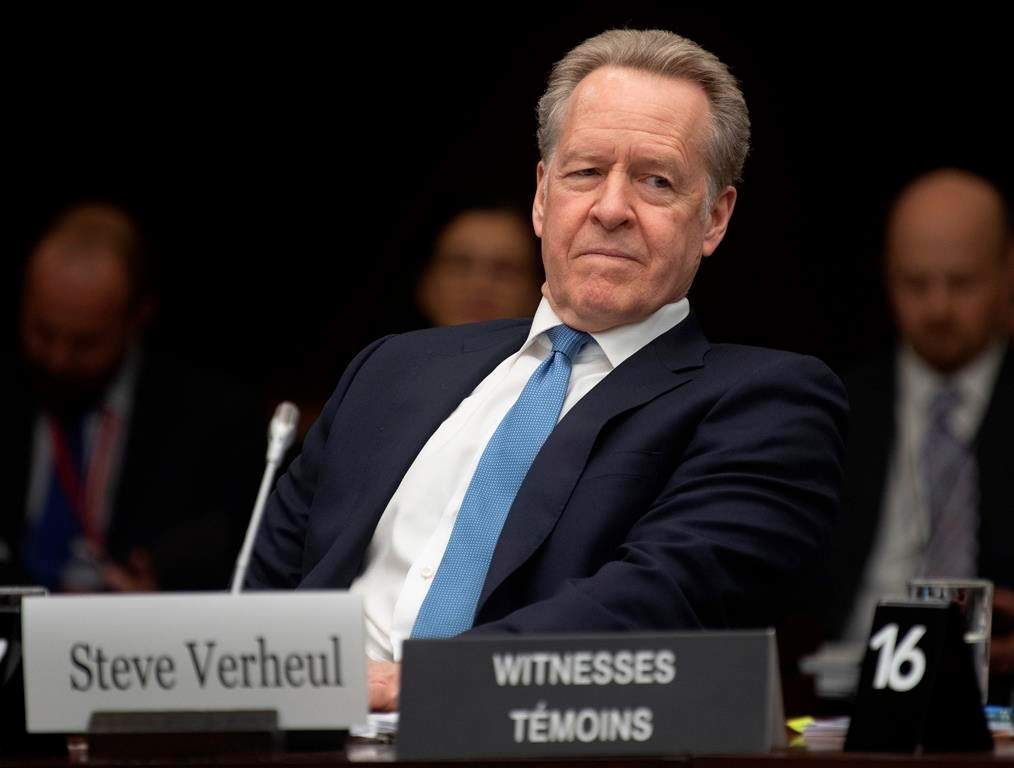
Former Canadian chief trade negotiator Steve Verheul isn't just making a wild guess when he says the window for a deal is closed. He is reading the room. The U.S. administration wants a "win," but a "win" in 2026 isn't a balanced trade agreement. It is a headline that says they stood their ground and forced another country to play by their rules.
Even if there is a frantic, last-minute flurry of activity in the fall, don't get excited. Negotiations like these are slow, grinding processes. They don't happen in a weekend. They require alignment between bureaucrats who are currently terrified of being blamed for higher consumer prices or job losses.
Why CUSMA is Getting More Elbows
We are heading into the July 1 review of the Canada-U.S.-Mexico Agreement (CUSMA). If you expect this to be a friendly check-in, you haven't been paying attention to the current climate. North American trade is evolving from a system of handshakes to a system of elbows.
The U.S. is pushing for tighter restrictions on goods that have any connection to China, and they are essentially forcing Canada and Mexico to choose sides in a broader, global trade war. This isn't just about tariffs anymore; it is about rewriting the entire supply chain.
Think about the steel and aluminum industry. If you’re a manufacturer, you are likely already navigating a nightmare of compliance. The U.S. has made it clear that they want metal melted and poured on their soil. If your supply chain isn't 85% U.S.-sourced, you are paying the penalty. And that penalty isn't going away just because someone signs a piece of paper in October.
Practical Realities for Your Business
If you are running a business that relies on cross-border trade, you need to stop waiting for a policy "savior." The uncertainty is the only constant you can count on for the rest of 2026.
Here is what you should actually do:
- Audit your sourcing now. Don't wait to see if the rules loosen. Assume the current 10% to 50% tariff reality on various goods is here to stay. If you can move toward North American sourcing, do it. The cost of shifting is almost always lower than the cost of constant tariff-related disruption.
- Accept the "Importer of Record" risk. If you are paying these tariffs, you are the one carrying the cash flow burden. Don't expect instant refunds or quick legal wins. The courts might strike down one emergency order, but the administration has a deep bench of other trade laws—like the Trade Expansion Act—to keep the pressure on.
- Diversify your logistics. The supply chain is fluid, but it is also fragile. Frontloading your inventory in June was a smart move for many, but it is a reactive strategy. You need a proactive one. If your entire inventory strategy relies on a single border crossing being "tariff-free," you are essentially gambling with your Q4 revenue.
It Is Not Just About the Election
The real story here isn't just the midterms. It is a long-term shift toward protectionism that is happening regardless of who holds the gavel in Congress. Even if the political heat drops slightly after November, the bureaucratic machinery in D.C. has been retooled to prioritize U.S. domestic production over regional integration.
You’re basically living in a new era. The days of "no surprises" in North American trade are over. The smartest move you can make today is to stop looking at the news and start looking at your own balance sheet. If your model doesn't work with tariffs in place, it is a broken model. Fix it now, because the help you’re waiting for isn't coming.