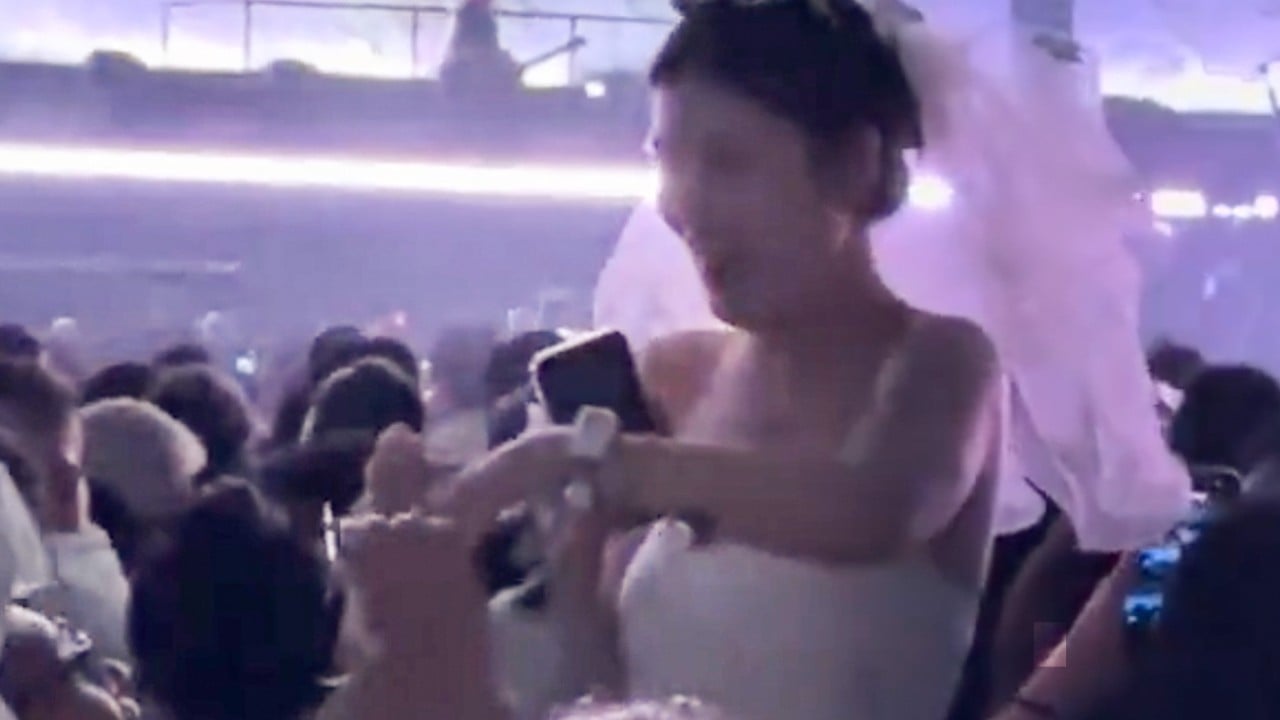
The internet is having another collective meltdown over a concert proposal in China where a woman’s less-than-thrilled reaction allegedly blocked and angered surrounding spectators. The comment sections are flooded with the usual pearl-clutching moralists demanding to know how anyone could be so selfish as to hijack a public performance for a private milestone. They call it narcissism. They call it main character syndrome. They argue that ticket-paying music lovers deserve an uninterrupted view of the stage, free from the amateur theatricals of desperate romantics.
They are entirely missing the point.
The outrage over public spectacles is built on a sanitized, romanticized fiction of what live entertainment actually is today. When you buy a ticket to a modern concert, you are not paying for an isolated audio-visual transaction between you and the artist. You are paying for entry into a shared cultural arena where reality TV dynamics rule supreme. Concerts stopped being about the music about ten years ago. They are now live-action social media backdrops, high-production gladiatorial rings for modern attention, and yes, accidental theater.
If you bought a ticket expecting a sterile, museum-grade performance where nobody disrupts your line of sight, you brought the wrong expectations to the venue.
The Myth of the Uninterrupted Spectator Experience
Let us dismantle the core grievance: the idea that public proposals infringe upon the rights of paying audience members.
This argument assumes a social contract that hasn't existed since the vinyl era. Walk into any major stadium show, and you are surrounded by tens of thousands of people holding glowing rectangles inches from their faces, livestreaming, recording shaky vertical video, screaming lyrics off-key into each other's ears, and spilling overpriced beverages. The ambient environment of a modern concert is absolute chaos. It is sensory overload by design.
Singling out a marriage proposal as the ultimate disruption is peak hypocrisy. A guy dropping to one knee with a ring box for thirty seconds does less damage to your line of sight than the six-foot-four influencer two rows ahead of you who stands on his chair for two hours straight recording every track with a professional rig.
Imagine a scenario where you attend a football game and complain that people are cheering too loudly. That is the exact energy of a concertgoer whining about a proposal.
The spectators who threw a fit in China were not defending the sanctity of live music. They were mad because the spotlight momentarily shifted away from the stage and onto two strangers, and their own narcissism couldn't handle sharing the room.
The Economics of Modern Romance Theater
Why do people still propose at concerts? Simple economics. Modern dating is broken, atomized, and digitized to the point of exhaustion. Traditional relationship milestones feel hollow when they happen in a quiet restaurant booth. Couples are chasing cinematic permanence in a world that feels disposable.
Critics love to diagnose public proposals as desperate cries for validation. They aren't wrong, but they diagnose it as a pathology rather than a rational response to cultural incentives. We live in an attention economy. If you cannot command attention, you do not exist. Proposing at a massive public event is the ultimate low-cost, high-yield attention hedge.
Sure, it carries massive downside risk. Look at the viral video in question: the woman looks terrified, trapped, and profoundly annoyed. Her body language screams everything that critics love to point out. But here is the dirty little secret of the contrarian take: that tension is why we watch.
Nobody clicks on a video of a quiet, picturesque proposal on a private beach. We click because of the trainwreck potential. The public proposal is high-stakes emotional gambling. When it works, it is sweet; when it fails spectacularly, it becomes global entertainment. The audience complaining about being subjected to it are the exact same people clicking replay on the disaster.
The Real Problem Isn't The Proposal, It Is Our Collective Main Character Syndrome
Let us look at the woman's reaction in the viral clip. The internet rushed to her defense, framing her as the sensible victim of a manipulative stunt.
Perhaps she was. But let us be brutally honest about modern dating dynamics. If you date someone who thinks a stadium proposal is romantic, you already ignored fifty red flags leading up to that exact moment. A public proposal does not materialize out of thin air. It is the culmination of months, sometimes years, of signaling preferences, lifestyle choices, and tolerance for performance art.
If she hated it, she was paying the price for a relationship built on aesthetic curation rather than private intimacy. But the crowd’s furious reaction reveals something deeper about us: we all suffer from competing main character syndromes.
The proposer wants to be the star of the arena. The angry spectators want to be the unbothered connoisseurs of art. The internet commenters want to be the moral arbiters of social etiquette. Everyone in this ecosystem is performing for an invisible audience.
How To Fix Public Romance
If you are thinking about proposing at a concert, stop. Not because it is rude to the crowd—who cares about the crowd?—but because it is a terrible strategic decision for your relationship.
If you need a stadium full of screaming strangers and a giant LED screen to convince your partner to say yes, your foundation is weak concrete. Real partnership is built in the boring, unfilmed silence between moments, not under the blinding glare of concert spotlights while a security guard tells you to sit down.
And if you are an audience member ready to throw a temper tantrum because someone nearby is proposing, get over yourself. You are sharing a room with twenty thousand strangers. Total control is an illusion.
Put down your phone, watch the damn show, and let people crash and burn in peace.