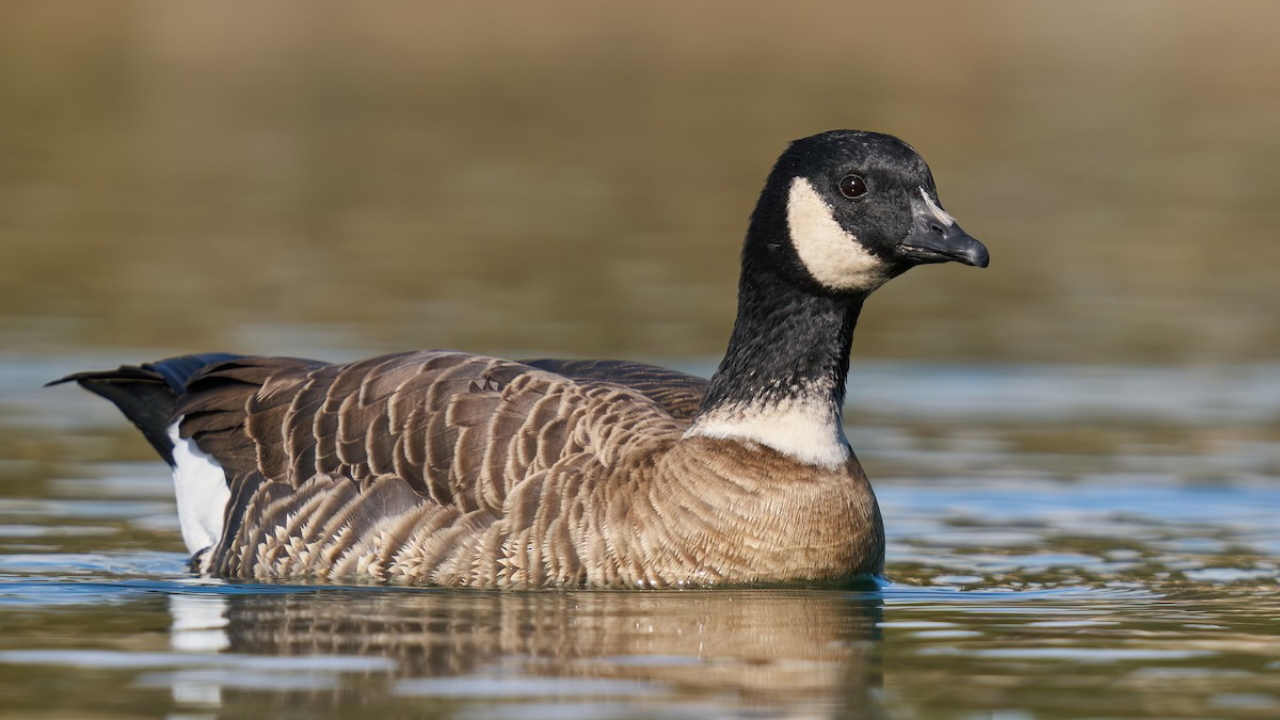
Every wildlife puff piece tells the exact same comforting fable. Take the Aleutian cackling goose. The mainstream narrative prints the tired script: back in 1975, fewer than eight hundred birds survived on a handful of jagged Alaskan cliffs, pushed to the brink by colonial fur traders who dropped invasive foxes onto pristine nesting grounds. Then humanity stepped in with heroic fox eradication programs and strict habitat protections, engineering a miraculous rebound to over two hundred thousand geese.
It sounds wonderful. It is also an intellectual fraud.
This lazy consensus frames modern conservation as a benevolent crusade that restores pristine wilderness. It ignores the ugly, manufactured reality of the entire process. We are not healing ecosystems; we are managing high-maintenance outdoor zoos using brute-force interventions, and then throwing corporate-style victory parties when a single targeted species bounces back while entire micro-biomes remain permanently altered.
Let us look at the structural mechanics of what actually happened in the Aleutians. Fur traders introduced foxes in the eighteenth and nineteenth centuries, turning a mammal-free avian paradise into an all-you-can-eat buffet. That is the villain origin story everyone loves to hate. But the subsequent fix was not a gentle return to nature. It required decades of state-sponsored, systematic slaughter. Government sharpshooters deployed toxins and waged total war to eradicate every last fox from dozens of islands.
Imagine a scenario where an industrial conglomerate bulldozes a wetland, realizes its mistake fifty years later, brings in heavy machinery to reverse-engineer a synthetic marsh, and then demands a medal for corporate social responsibility. That is modern wildlife management. We break an ecosystem, spend millions of taxpayer dollars to violently purge our own historical mistakes, and then pat ourselves on the back for returning the dial to zero.
The deeper flaw in the standard conservation triumph narrative is single-species tunnel vision. When you hyper-focus on recovering one charismatic bird to satisfy an Endangered Species Act recovery metric, you ignore the cascading chaos inflicted on the rest of the web. Eradicating introduced foxes did more than save a goose; it disrupted decades-old island ecologies that had adapted to the presence of those very predators. Seabird populations shifted, vegetation dynamics swung wildly in unexpected directions, and land-sea nutrient loops were abruptly re-engineered.
True expertise means looking past the press release. The U.S. Fish and Wildlife Service loves to trot out the delisting of the Aleutian cackling goose as definitive proof that bureaucratic intervention works. But let us check the ledger on the other side. Now that the population has exploded past two hundred thousand, those same geese are descending upon private agricultural lands in California and Oregon, stripping pastures bare, and sparking bitter warfare with livestock producers who view the protected birds as pasture-destroying pests.
Conservationists engineered a population boom without calculating the carrying capacity of the wintering grounds. Now, the state agencies that fought so hard to save the goose are forced to implement liberalized hunting seasons and specialized hazing programs just to keep the birds off private ranches. You fix one crisis by creating another, then bill the taxpayers for the management of the byproduct.
This is the dirty secret of modern environmental policy. We do not manage nature; we manage symptoms of human disruption with more human disruption. The fox eradication campaigns in the Aleutians required boots on the ground for decades, burning jet fuel, dropping poisons, and shooting living creatures to correct the legacy of other living creatures dropped there centuries earlier. It is an endless treadmill of intervention.
Stop buying the fairy tales. When a species rebounds from the brink, do not look for heroes in government windbreakers. Look at the ledger of unintended consequences, the displaced local stakeholders, and the permanent artificiality of a landscape that can never be wild again because humans refuse to stop pulling the strings.


