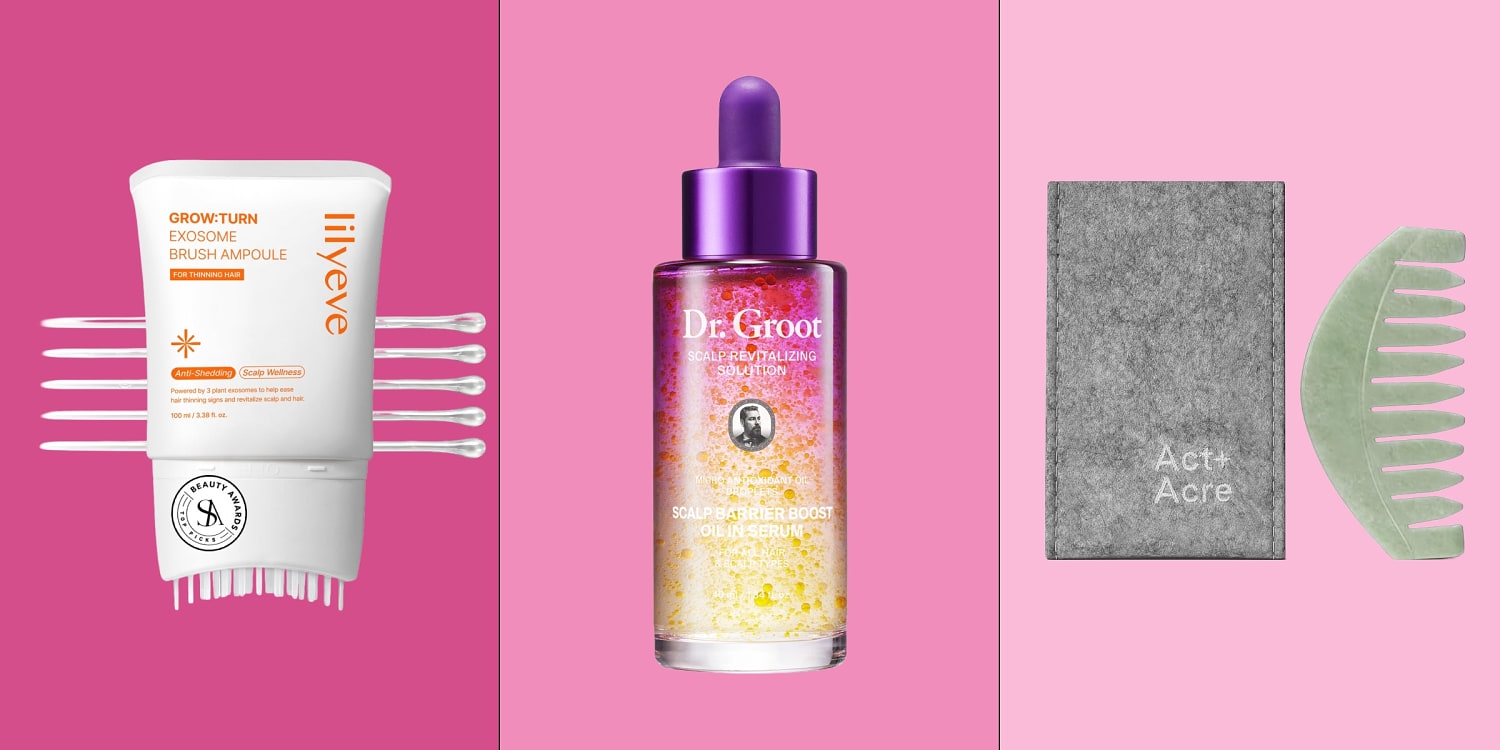
You do not need a seven-step Korean scalp facial kit, a vibrating LED comb, or a tub of sea salt scrub to fix your hair. In fact, importing an elaborate multi-step facial routine onto the top of your head is the fastest way to trigger contact dermatitis and chronic flaking.
Beauty editors love selling the fantasy of the "skinification" of hair. They saw viral TikTok videos of Seoul head spas—complete with waterfall halos, micro-mist steamers, and microscope cameras showing clogged follicles—and immediately decided you needed to replicate that clinical equipment in your shower with $200 worth of bottled fragrances.
It is lazy consensus dressed up as self-care. And it ignores basic dermatological physiology.
The Lie of "Skinification"
The central premise of every at-home Korean scalp facial guide is simple: your scalp is just an extension of your face, so treat it like your face.
That premise is biologically false.
While both are skin, the scalp has a completely different architecture. It contains a vastly higher density of terminal hair follicles, larger sebaceous glands, and significantly more sweat glands than your cheeks or forehead. More importantly, your scalp hosts a dense, specialized microbiome dominated by Malassezia yeast and Cutibacterium species.
When you apply a multi-step facial philosophy—layering oil pre-cleanses, physical scrubs, chemical toners, hydrating essences, and leave-on serums—you are not pampering your follicles. You are feeding yeast and suffocating the stratum corneum.
I have consulted for beauty brands that spent hundreds of thousands of dollars formulating "scalp essences" only to watch their return rates skyrocket because customers developed sudden, angry seborrheic flares. Malassezia thrives on specific lipid chain lengths found in many plant oils and esters used in "hydrating" scalp treatments. When you slather an oil-based pre-wash onto an already oily or flaky scalp, you are pouring gasoline on a fungal fire.
Why Seoul Head Spas Work (And Why Your Bathroom Version Fails)
In Seoul, a genuine 15-step head spa works because a trained trichologist or aesthetician is looking at your scalp through a 200x magnification scope before touching a single product.
If you have dry, dehydrated skin, they skip the heavy astringents. If you have seborrheic dermatitis, they avoid oils entirely. They use professional-grade galvanic currents, calibrated steam temperatures, and high-pressure water jets to physically lift debris without ripping the skin barrier apart.
When you try to recreate this at home using a generic shopping list from a lifestyle blog, you are flying blind. You cannot see the difference between dry skin flakes (small, white, powdery) and seborrheic dandruff (larger, yellowish, greasy scales) in your bathroom mirror. Yet the standard at-home guide tells everyone to buy the exact same lineup:
- A scalp oil or balm
- A physical sugar or salt scrub
- A clarifying shampoo
- A vinegar rinse
- A silicone scalp massager
- A leave-on peptide tonic
Running that gauntlet once a week strips your acid mantle down to raw nerve endings, then immediately coats the damaged tissue in botanical extracts and essential oils—the exact ingredients most likely to cause allergic contact dermatitis on compromised skin.
Dismantling the Worst At-Home Scalp Advice
"You need a physical scrub to exfoliate dead skin."
No, you do not. Physical scrubs—especially coarse sea salt or crushed nut shells—create micro-tears in the epidermis and physically abrade the hair shaft at its weakest point, right where it emerges from the follicle. Worse, undissolved particles get trapped around the follicle opening, causing localized inflammation. If you actually need exfoliation, chemical keratolytics like salicylic acid dissolve the desmosomes holding dead cells together without mechanical trauma.
"A silicone scalp brush gives you a salon-level massage."
Most people use those spiky silicone scrubbers like they are scouring a cast-iron pan. Aggressive friction on wet hair—when the keratin cortex is swollen with water and elastic bonds are temporarily weakened—causes severe cuticle chipping and traction breakage right at the root. Your fingertips already have built-in pressure sensors. Use them.
"Apple cider vinegar rinses balance your scalp's pH."
Unbuffered kitchen vinegar has a pH around 2 to 3. Your scalp's natural acid mantle sits comfortably around 4.5 to 5.5. Dumping diluted vinegar over your head without knowing the exact concentration is an unpredictable chemical burn waiting to happen. Modern shampoos are already pH-balanced by cosmetic chemists. You do not need pantry alchemy to fix a problem that was solved in the 1980s.
"Tingling means it's working."
That icy, minty sensation in almost every trendy Korean scalp scaler comes from menthol, camphor, or peppermint oil. Menthol does not clean your pores. It does not increase blood flow enough to grow new hair. It simply triggers TRPM8 cold receptors in your skin to create a sensory illusion of cleanliness while acting as a known irritant for sensitive scalps.
The Stripped-Down Protocol That Actually Works
If you want the actual results of a clinical Korean head spa—clean follicular openings, zero buildup, balanced oil production, and healthy hair growth—throw away the seven-step checklist. You need three things, maximum, and you only use them based on what your scalp is actually doing.
Step 1: Targeted Chemical Keratolysis (Once Every 10 to 14 Days)
Forget the oil pre-wash. If you use heavy dry shampoos, silicones, or styling waxes, apply a simple, fragrance-free 2% salicylic acid liquid or foam directly to dry scalp sections 15 minutes before showering. Salicylic acid is lipophilic; it cuts straight through sebum to dissolve hardened plugs inside the follicle without scrubbing.
The downside: If you overuse salicylic acid or leave it on too long, it will dry out your root shaft and make your scalp tight and itchy. Twice a month is plenty for most people.
Step 2: Double Cleansing With Surfactant Logic
Instead of buying a harsh "clarifying" shampoo loaded with sulfates and menthol, use your normal gentle shampoo twice.
The first wash binds to surface oils, pollution, and styling polymers. It will barely lather. Rinse it completely. The second wash actually cleans the skin and lifts loosened debris from the follicular ostia. Let the lather sit for 60 seconds so the surfactants can emulsify remaining lipids, then rinse with lukewarm—never hot—water. Hot water strips intercellular lipids and triggers rebound oil production within 24 hours.
Step 3: Active Maintenance Over "Essences"
If you have actual flaking, itching, or redness, a botanical "scalp tonic" full of rosemary extract and fermented rice water will not cure it. You need proven antifungal or anti-inflammatory actives. Rotate a shampoo containing 1% ketoconazole, selenium sulfide, or piroctone olamine into your routine once a week, letting it sit on the scalp for three to five minutes before rinsing.
If your scalp is genuinely tight and dry—meaning zero greasy flakes, just tightness after washing—apply a basic, lightweight, fragrance-free humectant serum containing panthenol (Vitamin B5) or glycerin. Skip the heavy oils.
What About the Steam and Massage?
You can still get the relaxation and circulation benefits of a Seoul head spa without buying single-use gadgets that end up in a landfill.
Take a clean hand towel, soak it in hot water, wring it out until it is damp, and wrap it around your head for three minutes after applying your conditioner to the mid-lengths and ends (keeping conditioner off the scalp itself). The moist heat opens the hair cuticle for deeper conditioning while gently softening surface sebum on the scalp before your final rinse.
For massage, place the pads of your fingers firmly against your scalp—do not slide them across the hair—and move the skin itself in small, slow circles over the underlying skull. Start at the nape of the neck and work up toward the crown. Two minutes of moving the tissue relieves tension in the galea aponeurotica without snapping a single strand of hair.
Stop Treating Your Scalp Like a Hobby
The beauty industry thrives on convincing you that normal human biology is a crisis requiring a multi-product subscription. Your scalp is a self-regulating, self-cleaning organ system that has functioned for millennia without fermented bamboo mist.
Put down the sea salt scrub, cancel the seven-step kit, and wash your hair properly.


