The lazy consensus loves a scapegoat. When a rider gets ejected from an alpine coaster, the media machine instantly pivots to standard outrage: corporate negligence, reckless speeds, and dangerous gravity-fed thrills nestled in tourist-heavy ski towns. Lawsuits follow. Press releases demand tighter regulations. Everyone nods along, satisfied that the villain has been identified.
They are missing the core mechanical reality.
I have spent years analyzing high-speed gravity attractions, resort safety compliance, and failure analysis reports. Let me be blunt: mountain coasters are among the most over-engineered, mathematically restricted people-movers on earth. They do not fail because resorts suddenly stopped caring about human life. They fail because riders treat a piece of heavy machinery like a Disneyland carousel ride, completely ignoring physics until physics violently corrects them.
The Physics Myth That Gets People Injured
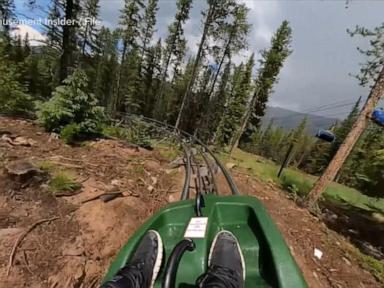
The prevailing narrative treats alpine coasters like runaway mine trains from an amusement park. They are not. A gravity-alpine coaster consists of a tubular steel track where carts are mechanically locked to the rails via up-stop wheels. These wheels make derailment or complete structural ejection virtually impossible under standard operation. Gravity pulls you down, yes, but centrifugal force and track geometry keep you planted.
So how does someone get thrown out?
Operator error combined with active rider rebellion.
Imagine a scenario where a rider ignores the explicit, bolded instructions plastered across the loading dock: keep both hands on the brake levers to control speed, remain completely seated, and keep limbs inside the tub. Instead, they treat the brake lever like an on-off switch, max out velocity into sharp apexes, lean sideways to film a selfie for social media, and bypass the natural posture required to counteract lateral G-forces.
When you lean away from a turn at twenty-five miles per hour, you actively compromise the contact patch between your body mass and the seatback. The restraint system—usually a simple lap belt designed to hold a properly seated occupant down, not a five-point racing harness meant to strap down a flailing acrobat—reaches its limit. You aren't "ejected" by the ride. You throw yourself out through sheer kinetic defiance.
Why Resort Safety Standards Are Already Too Soft
The standard public reaction to these incidents is a knee-jerk demand for more oversight, slower speed caps, and automated braking systems. This is the exact wrong direction.
When resorts bow to public panic and neuter their attractions with mandatory electronic speed governors, they create a false sense of security. They turn an active participation ride—where the human being must manage their own kinetic energy using manual hand-brakes—into a passive ride where people zone out.
The moment you remove the requirement for active human engagement, riders pay even less attention. They stop respecting the machine. They slouch, they look at their phones, and they assume the computer will save them from their own stupidity. True safety on an alpine coaster does not come from wrapping tourists in bubble wrap and lowering top speeds to a crawl. It comes from radical personal accountability and aggressive gatekeeping at the loading platform.
If an operator sees a rider who cannot follow basic physical instructions, that rider needs to be permanently grounded before they even leave the station. Resorts need to stop worrying about hurting the feelings of tourists who want a mild thrill without accepting personal risk.
The Uncomfortable Truth About Risk
We live in a culture that demands zero-fatality environments for activities that are inherently designed to flirt with velocity. Mountain coasters combine altitude, gravity, and exposed steel. They are designed to feel dangerous while operating within strict safety margins.
When accidents happen, the immediate rush to sue resorts and villainize alpine tracks masks a deeper truth: absolute safety is a commercial illusion. If you want a zero-risk vacation, stay in the hotel lobby and play chess. The moment you strap into a gravity-propelled cart descending a mountain slope, you are entering a pact with physics. Break the rules of that pact, and the recovery curve is merciless.
Stop asking how resorts can wrap every track in softer padding. Start asking why adults refuse to read a warning sign and respect momentum.