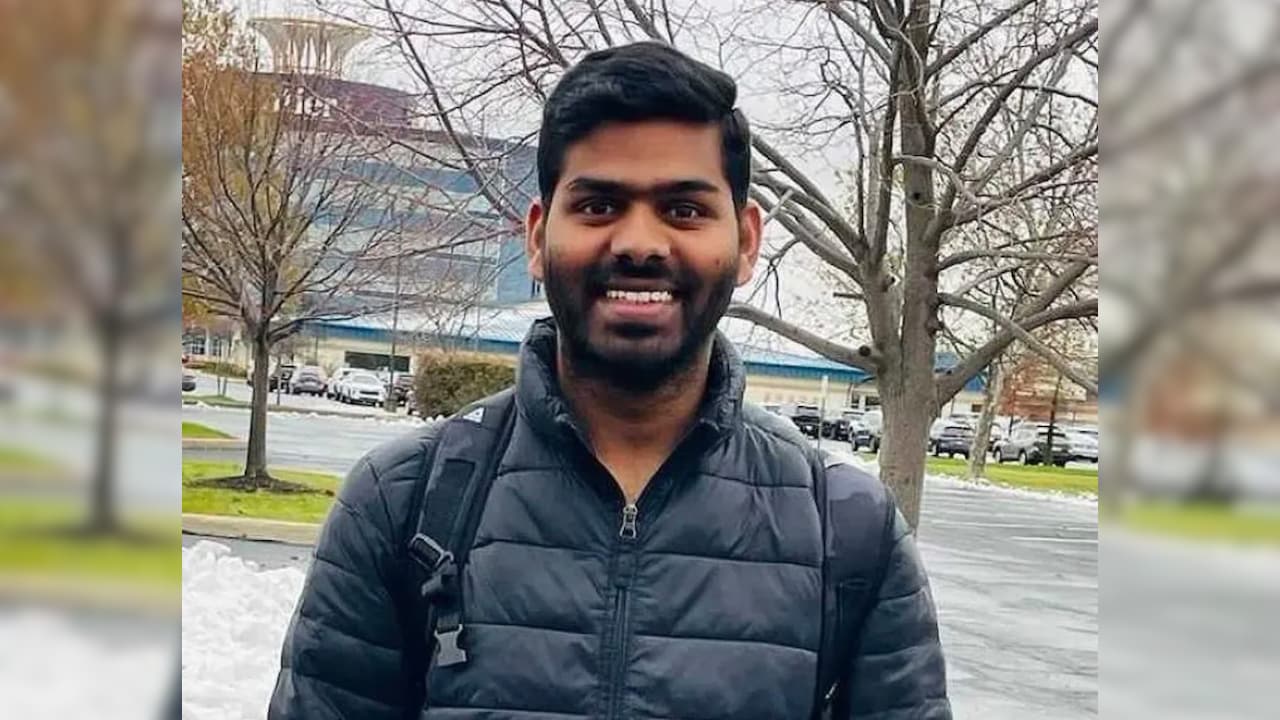
Every time tragedy strikes abroad, the internet floods with predictable grief. People point fingers at foreign healthcare systems, lament the high cost of medical evacuation, and pass around digital donation links like digital collection plates.
It is a comfortable narrative. It treats a horrific fatality like an act of god, a piece of bad luck that could happen to anyone stepping onto a transpacific flight.
It is also completely wrong.
When a man from Telangana passes away in a United States hospital after weeks of fighting severe burn injuries, the mainstream media focuses on the heartbreak of distance, the agonizing wait for visas, and the crushing hospital bills. They want you to look at the emotion. They want you to feel the sorrow.
I refuse to look away from the mechanics that actually caused the outcome.
I have watched families exhaust their life savings, mortgage their ancestral homes, and beg strangers on crowdfunding sites because they treated international mobility like a vacation rather than a high-stakes deployment. We romanticize global migration while ignoring the brutal financial baseline required to survive a catastrophic medical emergency outside your home country.
The Financial Illusion Of Global Mobility
The lazy consensus says that moving abroad for work or study is an unmitigated triumph. You cross oceans, you secure the job, you send money home. The hidden fine print is that you are stepping entirely outside safety nets built by your home nation, often while underinsuring yourself in the new one.
Let us look at the mechanics of burn treatment in the United States. Severe thermal injuries require weeks in specialized burn units, multiple surgical debridements, skin grafts, and round-the-clock ICU monitoring. The cost scales exponentially with every single day. A basic insurance policy purchased to check a visa box will crack under this pressure within forty-eight hours.
People do not want to talk about deductibles, out-of-pocket maximums, and policy exclusions. They assume that if they have some insurance, they are protected. That is a dangerous delusion.
Insurance is not a safety blanket; it is a legal contract with precise limits. If you do not understand the limits, you do not have coverage. You have an expensive illusion.
Why Crowdfunding Is A Symptom Of Systemic Failure
When a GoFundMe campaign launches for an injured migrant worker or student, commentators praise the power of community. They talk about how people come together in times of need.
I call it a failure of risk management.
Relying on the kindness of strangers to fund hundred-thousand-dollar medical interventions is not a plan. It is a desperate gamble. When you migrate without adequate, comprehensive, top-tier international health coverage that includes full medical repatriation clauses, you are transferring the financial risk of your mortality onto your extended family and sympathetic strangers.
We need to stop praising the resilience of families forced to beg online and start asking why they were left completely naked to the elements of a foreign healthcare market in the first place.
The Cost Of Being Underinsured Abroad
Let us define what proper preparation looks like, stripped of sentimentality.
- True Medical Evacuation Coverage: Basic travel insurance caps medical evacuation at a fraction of actual costs. Moving a critically ill patient via air ambulance across continents requires specialized medical teams, chartered aircraft, and diplomatic clearance. This costs hundreds of thousands of dollars. If your policy does not cover this explicitly, you are uninsured for the worst-case scenario.
- Local Policy Overkill: Relying solely on cheap employer-sponsored plans without checking whether they cover catastrophic out-of-network care or long-term rehabilitation is financial Russian roulette.
- Emergency Liquidity: Families must maintain liquid capital back home that can be wired instantly for retainers and deposits, because American hospitals demand financial guarantees before providing non-stabilizing long-term care.
The Hard Truth About Cross-Border Realities
Nobody wants to tell a grieving family that their tragedy was compounded by poor financial architecture. It feels cruel. But politeness kills.
If we keep framing these incidents as isolated strokes of bad luck, young people will continue to board planes with inadequate coverage, zero liquidity, and a blind faith that things will somehow work out. They will assume that if the worst happens, embassies will step in or crowdsourced donations will magically appear.
Embassies provide paperwork, not blank checks. Crowdfunding platforms are lottery tickets, not underwriters.
The next time you see a headline about a foreign national succumbing to injuries far from home, look past the emotional grief. Look at the insurance policy. Look at the financial safety net. That is where the real story lives, and that is where the fix needs to happen.
Stop crossing your fingers hoping you won't get burned. Buy the policy that covers the fire.