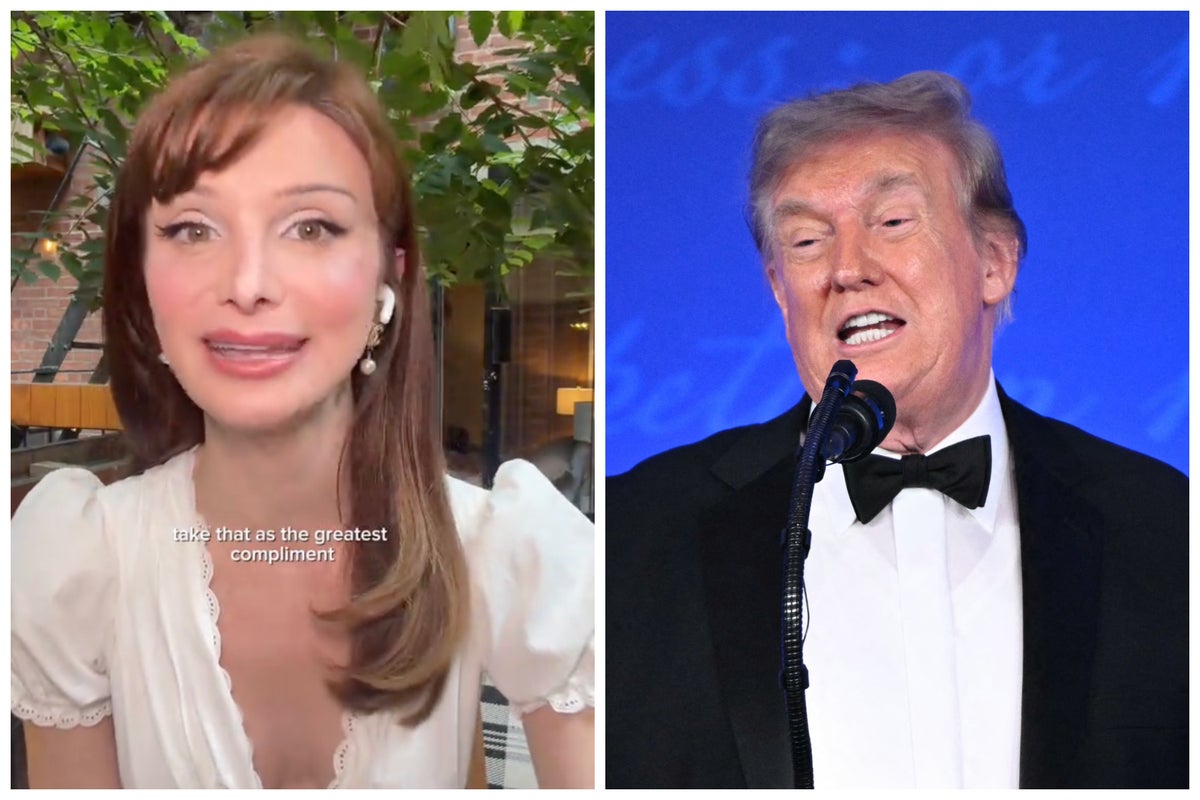
The microphone stand at the White House Correspondents Dinner always looks taller in photographs. It stands like a solitary tree in an empty field, waiting for the wind. When the room fills with the sharp clinking of crystal, the murmured negotiations of lobbyists, and the bright, camera-ready laughter of journalists who know each other too well, that microphone becomes something else entirely. It becomes a weapon disguised as a joke.
Laughter is an interesting thing. It can wrap a room in warmth, or it can draw a circle around someone and declare them outside the gates.
Months after the cameras stopped flashing in Washington, after the banquet tables were cleared and the tuxedos were packed away, the sound of that particular evening still reverberates. It started with a sequence of words spoken from a podium, a punchline aimed at Dylan Mulvaney and CNN anchor Kaitlan Collins. A room full of people who write the first rough draft of history laughed.
Silence followed. Not the peaceful kind of silence that settles over a quiet room at dawn, but the heavy, waiting kind. The kind that lingers when someone is deciding whether their voice still matters in a room that has already mocked them.
The Distance Between a Headline and a Life
We consume our news like fast food. We unwrap a crisis, take a quick bite of the outrage, and throw the wrapper away before our fingers are even clean. A headline flashes on a screen: influencer breaks silence. It sounds clinical. It sounds like a press release packaged for maximum algorithmic efficiency.
Strip away the search engine optimization and the social media metrics, and you are left with a simple human truth. A person sat in a room, looked at a screen, and watched hundreds of powerful strangers laugh at her existence.
Consider what happens next in the quiet hours of an ordinary afternoon. The phone buzzes. Notification after notification piles up like fallen leaves against a door. Some are laced with venom; others offer solidarity from strangers who will never know your real name. But the human brain does not process thousands of strangers easily. It processes them as a crowd with torches.
Dylan Mulvaney did not appear in a vacuum. She arrived in the public consciousness through a documented journey of transition, chronicled day by day on TikTok under the banner of Days of Girlhood. Millions watched. Some watched with fierce affection; others watched with a critical eye that sought out every misstep, every moment of awkward joy, every tear.
When public figures become political footballs, their humanity gets traded away for polling points. You stop seeing a person who calls her mother on Sundays or worries about paying her taxes. You see a symbol. And symbols cannot bleed.
The Anatomy of a White House Punchline
The White House Correspondents Dinner has a long, complicated history with roasting. Presidents take their lumps. Journalists squirm in their seats. It is an American ritual of self-deprecation, a theatrical display of the First Amendment in action where power submits to satire for the span of an evening.
But satire punches up. When the target of the joke is a marginalized individual whose very right to exist is actively debated in state legislatures across the country, the dynamic shifts. It stops being a roast and starts being a pile-on with a soundtrack of black-tie applause.
Think about the physical space of the Washington Hilton ballroom. The chandeliers cast a golden glow over politicians who hold the keys to healthcare access, civil rights protections, and federal funding. In that room, a joke is never just a joke. It is an endorsement of tone. It sets a baseline for what kind of rhetoric is acceptable in polite society.
When Kaitlan Collins and Dylan Mulvaney were looped into the comedic routine, the message sent to the audience was subtle yet unmistakable: these lives are fair game for late-night amusement.
For months, Mulvaney stayed quiet. People demanded a response. The internet is impatient like that. It treats silence as a strategy rather than a recovery period. Every day of not talking back was scrutinized by commentators who wanted blood or redemption, as if human dignity could be settled in a 280-character post.
Breaking the Quiet
When the silence finally broke, it did not arrive with the thunderclap of a sensationalized interview or a carefully staged PR campaign. It arrived with the weary clarity of someone who has spent too much time defending her right to breathe.
To understand why that matters, we have to look past the political theater and examine the psychological weight of hyper-visibility. Imagine waking up every day to find your face debated by people who have never spoken a word to you. Imagine walking down the street and wondering if the person staring at you is doing so with recognition, curiosity, or malice.
It exhausts the spirit.
Yet, resilience is a stubborn plant. It grows in the cracks of concrete where no one expects anything to survive. Mulvaney’s eventual response was not just about a specific joke told by a specific person at a specific dinner. It was a broader statement on the exhaustion of being a perpetual talking point in a culture war that refuses to take a lunch break.
We live in a moment where empathy has been outsourced to algorithms. If a post gets enough engagement, we care. If the algorithm scrolls past, we forget. But real lives do not reset when the feed refreshes.
The cameras moved on. New scandals replaced old ones. Another dinner will happen next year, under the same bright lights, with the same clinking crystal and the same nervous laughter from people who believe they are standing on the right side of history.
The microphone stand will be adjusted for the next speaker. The jokes will be written in green rooms by teams of writers trying to find the sharpest edge.
And somewhere out there, away from the banquet halls and the cable news chyrons, someone will look at their phone, see a headline about a life like theirs being used as a punchline, and wonder if it ever gets any easier to simply exist.
The answer is not in the applause. It is in the quiet spaces between the noise, where people refuse to let the rest of the world define the value of their breath.