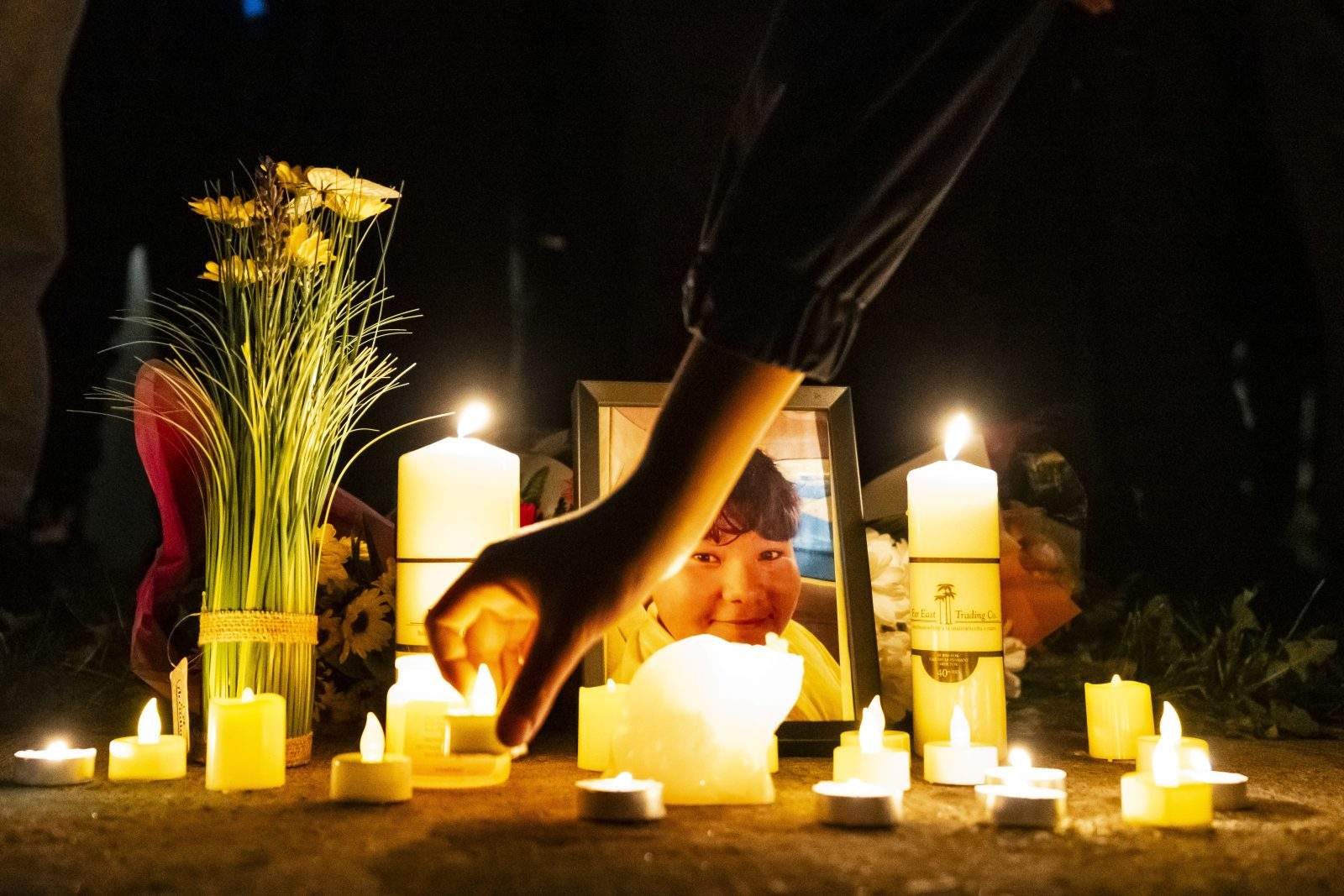
Light has a weight. Anyone who has stood under the glare of noon in an old city square knows this. It presses against the shoulders. It flattens shadows until the world looks like a sheet of heavy parchment, waiting for ink.
For centuries, the state has understood the utility of light. Not the warm, flickering kind that draws families around a hearth, but the harsh, administrative illumination that leaves nowhere to hide. When the scaffold was built in public view centuries ago, it was never merely about the end of a life. It was about the audience. It was about the shared breath of the crowd inhaling in unison, binding every witness to the machinery of the sovereign.
Then came the curtain.
Modern justice, at least in much of the democratic world, chose the antiseptic quiet of the interior room. It replaced the public square with green-tinted observation glass, muffled buzzers, and the low hum of fluorescent tubes. The state claimed responsibility, but it hid the labor. Death was codified into clinical protocols, performed behind locked doors, witnessed by a curated handful of journalists and officials, filtered through ink and dry transcripts. It became an abstract concept—a legal filing rather than a physical event.
Now, that curtain twitches.
Proposals surface, drifting through the corridors of power, suggesting a return to the open air. Not the wooden scaffold of the cobblestone era, but the glowing blue rectangle in every palm. The logic offered is straightforward, almost bureaucratic in its presentation: transparency. Let the public see the state's ultimate act. Remove the filter. Turn the lens toward the gurney, the chemicals, the final breath, and broadcast it to the world.
To call this a radical shift is to misunderstand history. It is an old impulse wearing new wires.
Consider the mechanics of observation. When an event is packaged for a screen, it undergoes a fundamental mutation. It ceases to be an experience and becomes content. It enters the ecosystem of algorithms, notifications, and split-second judgments. The user scrolling through a morning feed encounters the ultimate termination of a human life between a recipe for sourdough and a clip of a comedian stumbling on stage.
The proponents argue that hiding the machinery of punishment creates a disconnect between the citizenry and the state. They suggest that if citizens vote for laws that authorize the ultimate penalty, they ought to bear the burden of watching it executed. There is a strange, twisted moral rigor in that claim. It sounds like accountability.
Yet, accountability requires a mirror, not a megaphone.
When execution becomes a broadcast, the nature of the act changes entirely. The room where it happens is no longer a quiet chamber of legal finality; it becomes a set. Every participant—from the warden checking a valve to the reporter staring through the glass—knows the invisible camera is rolling. Even if the feed is delayed, even if it is strictly regulated, the psychological gravity shifts. A performance requires an audience, and an audience demands a spectacle.
We have watched this transformation happen in other arenas of public life. Whenever a severe, irreversible action is translated into digital media, nuance evaporates. The gravity of the moment is swallowed by the medium. Comments populate the margin. Emojis measure outrage. The tragedy of a broken life and a terminated breath is reduced to a trending topic, subject to the whims of engagement metrics.
History offers clear warnings about what happens when state-sanctioned violence becomes entertainment or common viewing. The public executions of the eighteenth century did not deter crime with mathematical precision; instead, they birthed carnivals. Pickpockets plied their trade beneath the very gallows meant to terrify them into honesty. The crowd did not leave with a solemn appreciation for the rule of law; they left sated by the drama.
When power displays its absolute dominion over the body, it risks intoxicating the observer. It shifts the question from whether justice was measured and fair to whether the show was delivered efficiently.
The invisible stake in this debate is not merely about the comfort of the modern conscience. It is about what a society normalizes. Once the final moments of a human life are digitized and streamed into the palm of a hand, the boundary between state power and public consumption dissolves completely. The state no longer just governs through law; it curates our visceral reactions to mortality.
There is a reason the architects of modern legal systems moved these events behind closed doors. It was not out of cowardice, strictly speaking, but out of a recognition that the state's exercise of lethal force is heavy, dangerous work that corrupts the space it occupies. It demands an oppressive solemnity precisely because it is horrific. Opening the floodgates to digital distribution does not make the process more honest. It merely domesticates the horror, wrapping it in the familiar interface of modern media until we scroll past it without a second thought.
Light can reveal, but it can also blind.
The screen in your hand is warm. It glows with the quiet hum of a million invisible connections, carrying news, art, anger, and commerce across oceans in milliseconds. Into that same small glass, some now wish to pour the final, irrevocable seconds of a human life, framed for a swipe and a tap.
Weigh that light carefully. Once the curtain is fully pulled back and the broadcast begins, there is no unseeing what flickers across the dark.