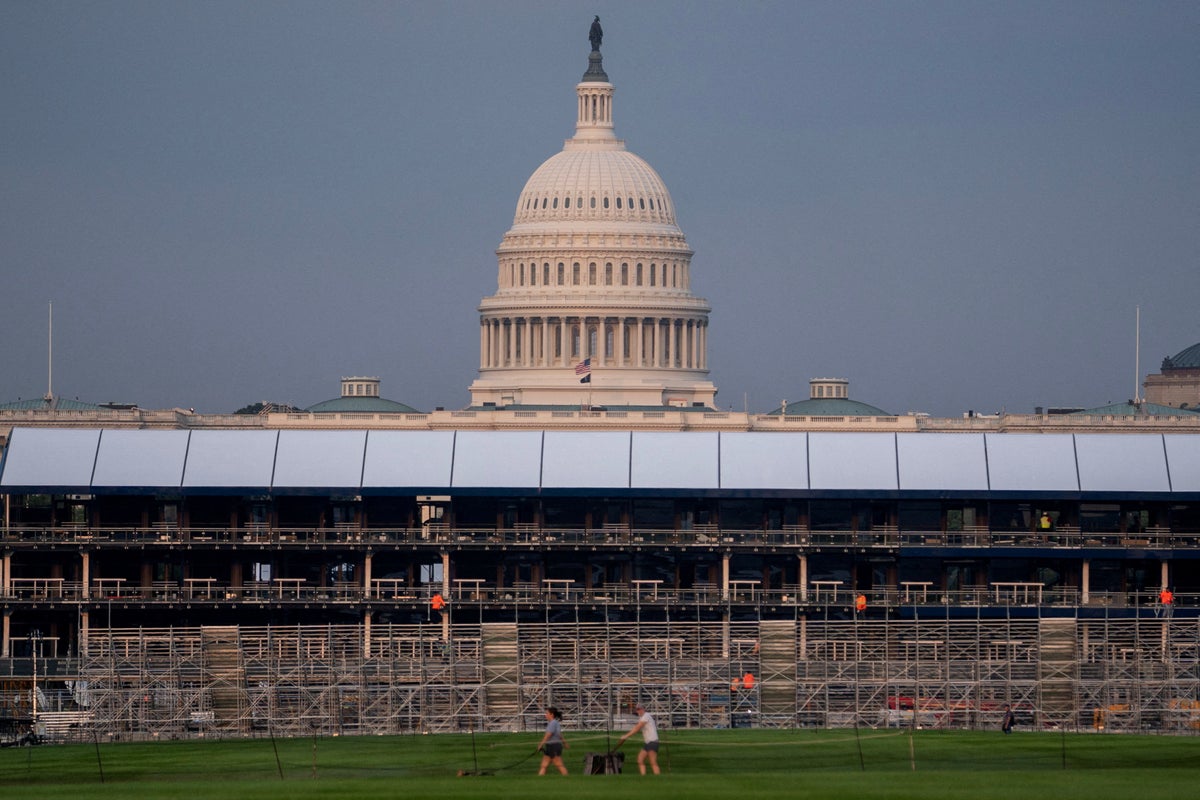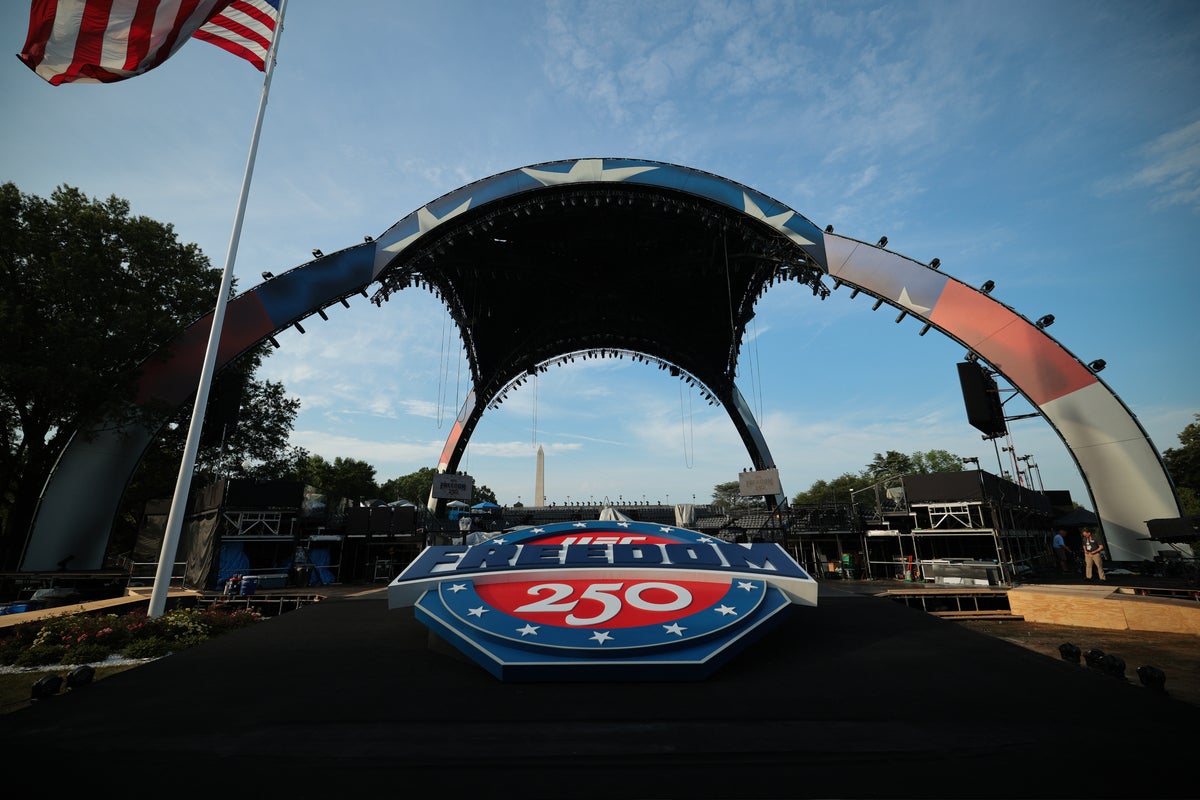
The mainstream media is drooling over the optics. They are calling it a historic milestone for combat sports. The competitor headlines write themselves: a "first look" inside a customized octagon pitched on the White House lawn, timed perfectly for Donald Trump’s 80th birthday. They want you to believe this is the ultimate validation of mixed martial arts—the moment the sport finally conquered the peak of mainstream cultural relevance.
They are dead wrong.
This isn’t a milestone. It is an expensive, short-sighted stunt that fundamentally misunderstands the economics of pay-per-view live events, compromises athletic integrity, and sets a dangerous precedent for the regulation of sanctioning bodies.
For years, I have analyzed the operational mechanics of major sports promotions. I have watched organizations torch millions of dollars chasing fleeting cultural "clouts" that yield zero long-term retention. This White House event is the pinnacle of that delusion. While casual fans marvel at the novelty of the South Lawn backdrop, anyone who understands the structural realities of the fight business is watching a logistical and financial car crash unfold in real time.
The Myth of the "Unprecedented" Valuation
Let’s dismantle the lazy consensus right away. The narrative suggests that putting an octagon on the White House lawn elevates the UFC brand to a level of institutional prestige shared by the NFL or NBA.
It does exactly the opposite.
Mainstream sports leagues do not bend their operational models to serve as birthday entertainment for political figures. The NFL does not move the Super Bowl to a politician's backyard. The NBA does not host the Finals on the National Mall for a photo-op. They don't have to. Their brands are institutional because their structures are rigid, predictable, and fiercely independent.
By uprooting a major pay-per-view card like UFC 250 from a hyper-optimized arena and dropping it into a highly restricted, logistically nightmarish federal property, the promotion isn't proving its power. It is proving its desperation for novelty.
Consider the raw economic trade-offs:
- The Live Gate is Zero: A standard UFC pay-per-view at the T-Mobile Arena in Las Vegas or Madison Square Garden in New York regularly pulls in a live gate between $10 million and $18 million. By moving to a private federal lawn, you eliminate ticket sales entirely. You are burning an eight-figure revenue stream for a PR stunt.
- Production Costs Quadruple: You aren't plugging into the existing, state-of-the-art infrastructure of a modern arena. Every single piece of broadcasting equipment, lighting rig, audio array, and security apparatus must be hauled onto historical grounds with massive weight and movement restrictions.
- The Sponsor Backlash: Mainstream corporate sponsors despise volatile political associations. For every hyper-partisan fan this event attracts, three blue-chip corporate sponsors pull back their ad spend to avoid alienating half their consumer base.
This isn't business. It’s expensive vanity.
The Logistical Nightmare of the South Lawn Octagon
Let's look at the mechanics of fight night. A standard arena offers a controlled environment. The temperature is regulated. The lighting is fixed. The medical facilities are twenty steps from the backstage area.
The White House lawn throws all of that into the garbage.
Imagine a scenario where an athlete suffers a compound fracture or a severe subdural hematoma during the co-main event. In a standard venue, the local trauma team has a designated, completely unobstructed tunnel straight to an awaiting ambulance. On the White House grounds, that medical team must navigate Secret Service perimeters, historic gates, and highly restricted access points. Minutes matter in combat sports. Sacrificing medical efficiency for a pretty backdrop is an existential liability risk.
Then there is the surface itself. An octagon requires a perfectly leveled, reinforced steel platform. Arenas feature concrete floors designed to support massive weight loads without shifting a millimeter. Lawns shift. Soil compresses under the weight of a production crew, camera corners, and two 205-pound men slamming each other into the canvas. A slight structural dip in the platform changes how fighters balance, cut angles, and generate leverage. It fundamentally compromises the fairness of the competition.
Dismantling the "People Also Ask" Delusions
The internet is flooded with fundamentally flawed questions about this event. Let's answer them with brutal honesty.
Will this event break pay-per-view records?
Absolutely not. The mainstream sports press assumes that massive political media coverage automatically translates to pay-per-view buys. It doesn't. The people tuning in to cable news networks to watch the spectacle of a political birthday celebration are not the demographic that drops $80 on a sports streaming package. They are voyeurs. They want the ten-second clip on social media; they do not care about the undercard. The core MMA fan base—the people who actually drive PPV metrics—are alienated by the circus atmosphere and the inevitable drop in fight-card depth caused by the massive budget drain of setting up this venue.
Is this the highest-security event in sports history?
Yes, but that is a massive disadvantage, not a badge of honor. Excessive security ruins the operational flow of a fight card. Fighters rely on strict, down-to-the-minute warm-up routines. They need their coaches, corner-men, cuts-men, and physical therapists completely accessible. The strict credentialing and movement restrictions imposed by federal law enforcement mean that corners will be understaffed, entry will be delayed, and the backstage energy will resemble a military checkpoint rather than an athletic locker room. Tension kills performance. We are going to see stiff, exhausted, and under-prepared athletes entering the cage.
The Destruction of Athletic Commission Oversight
Here is the dirty secret that no one in the MMA media wants to talk about: sanctioning and drug testing.
A legitimate sport relies on independent athletic commissions—like the Nevada State Athletic Commission (NSAC) or the New York State Athletic Commission (NYSAC)—to enforce medical safety, fair judging, and stringent anti-doping protocols. These commissions have absolute jurisdiction over events within their states.
Who has jurisdiction over a fight held on federal property inside the White House gates?
By stepping onto federal land, the promotion effectively bypasses traditional state athletic commission oversight. This creates a terrifying regulatory vacuum. Who is selecting the judges and referees? Who is administering the immediate post-fight drug tests? If the promotion is left to police itself, or if a compromised, ad-hoc regulatory body is hastily assembled to rubber-stamp the event, the integrity of every single result on that card is instantly invalidated.
If a fighter tests positive for a banned substance after a bout on federal property, what is the legal recourse? The entire infrastructure of athletic accountability dissolves the moment you prioritize political theater over sports regulation.
The Actionable Truth for Promoters and Investors
If you are an investor in sports entertainment, or a promoter looking to build a sustainable brand, ignore the glowing reviews of this event. Do not try to replicate it. Do not look for your own historical landmarks to host a match.
Instead, focus on the unsexy, high-margin fundamentals that actually scale a sports property:
- Own the Infrastructure: Stop paying exorbitant load-in and load-out costs for temporary venues. True profitability comes from repeatable, hyper-optimized production hubs where your fixed costs drop to near-zero over time.
- Protect the Sport from the Circus: The moment your athletic competition relies on a political gimmick to sell pay-per-views, you admit that your product cannot stand on its own two feet. Build stars through matchmaking and athletic stakes, not through venue novelties.
- Prioritize the Live Gate: Digital revenue is volatile. Ad-blockers, illegal streams, and shifting platform algorithms can decimate pay-per-view projections overnight. A guaranteed $15 million gate from passionate, physically present fans is the bedrock of sports liquidity. Giving that away for a weekend of cable news headlines is financial malpractice.
The competitor's view of UFC 250 on the White House lawn is an exercise in superficial cheerleading. They see a shining monument to the sport’s arrival in the upper echelons of American culture.
Look closer. What you are actually seeing is the erosion of the barrier between sport and sideshow, the abandonment of financial logic, and the dangerous surrender of athletic integrity to the gods of cheap publicity.
The octagon belongs in an arena, under the bright lights of a neutral stage, sanctioned by independent eyes, and funded by fans who bought a ticket to see a fight—not a political rally. Everything else is just expensive noise.