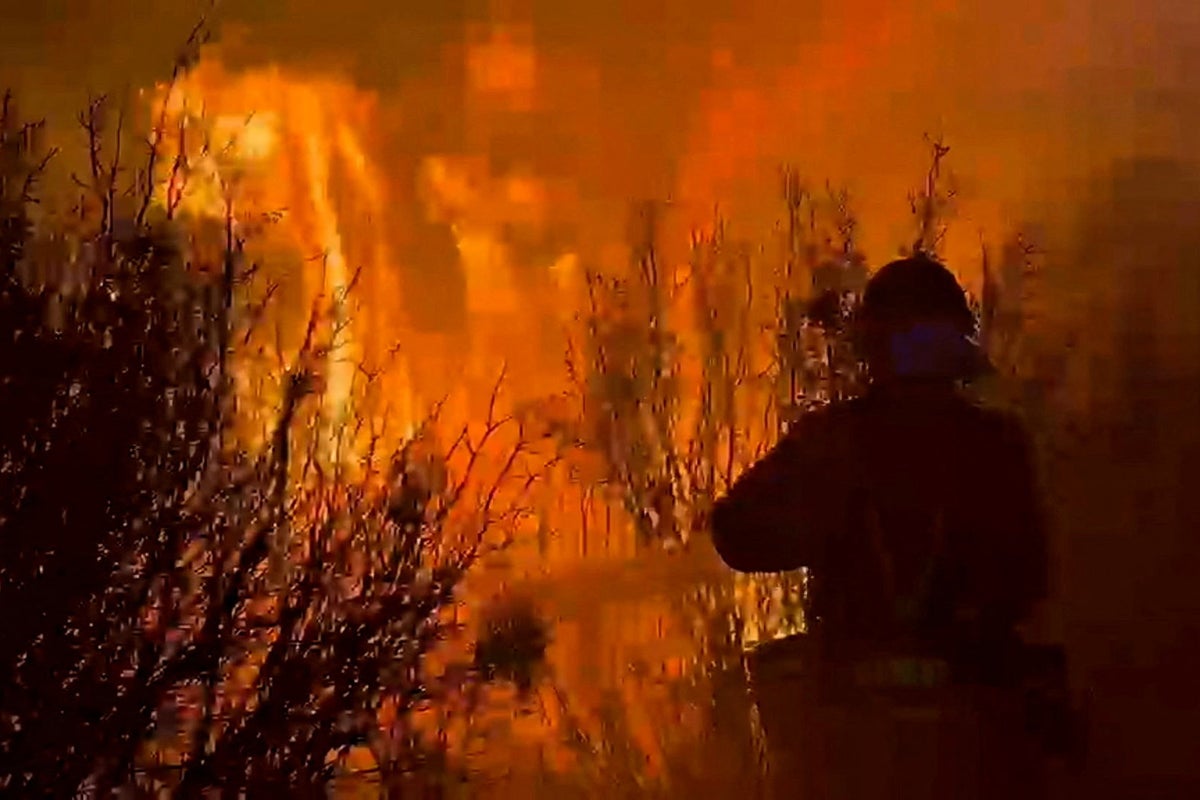
If you think severe summer heat in Southern Europe is just about sweating through your t-shirt and staying indoors during siesta hours, think again. Spain's State Meteorological Agency (AEMET) recently slapped red weather alerts across key regions like Valencia, Alicante, and Murcia, warning of an "extraordinary danger" with mercury levels topping 44°C (111.2°F).
This isn't just uncomfortable. It's a full-blown emergency.
As firefighters battle stubborn, deadly wildfires across dried-out terrain, the real story isn't just that it's insanely hot. It's that Spain's climate reality has fundamentally shifted. Over 100,000 hectares have already burned across the country this year—matching Spain's typical ten-year annual average burned area before the summer peak even ends.
If you're living in Spain, planning a vacation, or managing property on the Iberian Peninsula, understanding what's actually happening on the ground is vital.
The Real Numbers Behind the Spain Heatwave
When meteorologists issue a red alert, they aren't trying to cause panic. They're telling you that going outside during peak hours poses an immediate hazard to human health.
The current scorching blast—Spain's third major heatwave of the season—is driven by a mass of dry, blistering air pushing north directly from Africa. The numbers speak for themselves:
- Southeastern Hotspots: Murcia’s Vega del Segura and the Guadalentín Valley are seeing temperatures hit 44°C and above.
- Inland Coastal Danger: Inland areas of Valencia and Alicante are sitting steadily at 42°C.
- Southern Basins: The Guadalquivir Valley and Genil basin routinely push past 43°C during these peaks.
- Nighttime Traps: Tropical nights—where temperatures don't drop below 25°C—prevent buildings from cooling down, drastically increasing heat-stress risks for vulnerable people.
What makes this heat wave particularly tricky is the atmospheric volatility. AEMET warned that high heat coupled with dry air creates ideal conditions for "dry thunderstorms". That means lightning strikes without rain, which act like matches tossed into dry brush.
Wildfires and the Powder Keg Effect
Firefighters across Spain are pushing past exhaustion. The European Union's Copernicus wildfire monitoring service reveals a grim milestone: Spain is Europe's most fire-affected country this year, with more than 104,000 hectares scorched. For comparison, France sits around 41,000 hectares over the same timeframe.
Why are these fires so hard to control? It comes down to three factors:
- Extreme Fuel Dryness: Months of low rainfall turn vegetation into tinder.
- Erratic Wind Gusts: Thermal storms bring sudden, unpredictable gusts exceeding 70 km/h, blowing flames right over firebreaks.
- Simultaneous Ignitions: Multiple lightning strikes cause fires in different locations at once, stretching emergency crews far too thin.
Spanish Prime Minister Pedro Sánchez recently visited scorched communities, calling for a permanent "state pact" across political parties. The message is clear: treating wildfires like temporary summer surprises is no longer an option. Prevention, forest management, and rural funding have to run year-round.
Staying Safe When Temperatures Hit 44C
Most travel advisories offer basic tips like "drink water" and "wear a hat." Honestly, when it's 44°C out, those basic tips aren't enough. You need concrete strategies to stay safe.
Manage Your Indoor Environment Early
Shut your blinds, shutters, and heavy curtains on sunny exposures by 8:00 AM. Do not leave windows open during the day thinking a breeze will cool the room—you are just letting heat in. Open everything up late at night only if the outside temperature actually drops below your indoor temp.
Rethink Your Hydration
Plain water isn't enough when you are sweating out essential minerals. Drink electrolytes or add a pinch of salt and lemon to your water. Avoid alcohol and heavy caffeine, as both accelerate dehydration.
Watch for Heat Stroke Signals
Heat exhaustion turns into life-threatening heat stroke fast. If someone stops sweating, gets confused, feels dizzy, or starts vomiting, don't wait around. Call local emergency services (112 in Spain) immediately and get them into a shaded, air-conditioned space while applying cool water to their neck and armpits.
Respect Local Trail and Forest Closures
When AEMET issues extreme fire warnings, regional authorities close natural parks, hiking trails, and mountain roads. Don't bypass barricades for a photo or a hike. You risk getting trapped and putting rescue teams in danger.
Practical Steps to Prepare for Extreme Heat
If you are currently in an area affected by red alerts or planning to travel through Spain during heat waves, take these immediate actions:
- Download Local Alert Apps: Keep tabs on real-time warnings via the official AEMET app and monitor the Spanish Health Ministry's heat risk maps.
- Save Emergency Numbers: Store 112 (General Emergency) and local health hotline numbers in your phone.
- Prep Emergency Supplies: Keep battery-operated fans, extra water storage, and ice packs ready in case extreme heat strain triggers localized power outages.
- Adjust Daily Routines: Shift all physical activity, errands, and outdoor work to early mornings before 10:00 AM.
Extreme weather patterns aren't disappearing anytime soon. Taking heat warnings seriously isn't just about comfort—it's about staying safe when nature pushes the thermometer to its limits.

/https://i.s3.glbimg.com/v1/AUTH_e84042ef78cb4708aeebdf1c68c6cbd6/internal_photos/bs/2026/g/B/3vpkvHQKizRKAfzDxjXA/vini-jr-antes-e-depois.jpg)