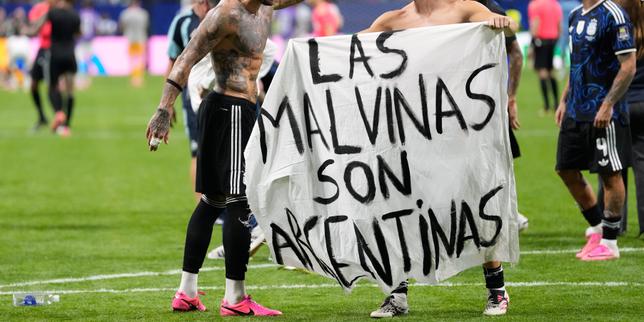
The debate over whether structured wealth or raw competitive trauma produces superior athletes is settled on the court and the pitch. Spain possesses the finest facilities, the most scientific coaching, and a system that churns out technically flawless prospects. Yet, when the pressure reaches a suffocating peak, Argentina consistently walks away with the silverware. The reason is not a secret, nor is it a matter of genetic luck. The defining advantage Argentina holds over Spain is experience, but not in the way most sport scientists define the term.
This is not about the number of matches played. It is about the psychological tax of those matches. Spanish athletes grow up in a system of comfort, progression, and safety nets. Argentine athletes develop in a pressure cooker of economic survival, hostile crowds, and administrative neglect. When these two worlds collide in high-stakes competition, the Argentine competitor relies on a reservoir of competitive scar tissue that Spain’s pristine academies simply cannot cultivate.
The Fallacy of the Perfect Academy
Walk into any high-performance center in Madrid or Barcelona. You will find climate-controlled environments, GPS tracking vests, and nutritionists monitoring every gram of protein. The Spanish model is designed to eliminate risk. It treats athletic development as an engineering problem. If you input the correct training hours, the right tactical drills, and proper recovery, you should produce a world-class player.
This system works exceptionally well for producing technically consistent athletes. They rarely make unforced errors in predictable scenarios. They understand positioning to a millimeter.
Now contrast this with the club system in Buenos Aires, Rosario, or Córdoba.
Argentine youth development is chaotic. Clubs are perpetually broke, surviving on the sheer will of local communities. Football pitches are uneven dirt lots. Padel courts are cracked concrete with inconsistent bounces and rusted wire fences. Coaching is often unscientific, driven by veteran players passing down tribal knowledge rather than certified analysts clutching tablets.
In this environment, predictability does not exist. An Argentine player cannot rely on a perfect bounce or a referee protecting them from physical play. They must adapt immediately. They learn to read the wind, the bad bounce, and the defender who is willing to slide tackle through a puddle to win a ball. This is the first level of experience that money cannot buy. It is the ability to solve problems on the fly without looking at the bench for instruction.
The Psychology of Scarcity
Comfort is the enemy of competitive urgency. In Spain, a young talent entering a top club or tennis academy is essentially entering a corporate pipeline. If they perform reasonably well, their path to a comfortable professional life is highly secure. They have secondary options, educational support, and a social safety net that catches them if their athletic dreams fall apart.
For an Argentine teenager, sports are rarely a hobby or a structured career path. They are a life raft.
The economic reality of South America means that athletic success is often the only viable way to lift an entire family out of financial precarity. This shifts the psychological weight of every single match. A Spanish youth player wants to win to advance to the next age bracket. An Argentine youth player needs to win because their family’s future depends on a scout noticing them before they turn eighteen.
This constant, low-grade survival anxiety creates a different kind of human being. By the time an Argentine athlete reaches the international stage, they have already played hundreds of matches under immense, career-defining pressure. They do not freeze when a crowd is screaming or when they find themselves down a break in the deciding set. They have faced much worse than a hostile audience. They have faced the prospect of going back to the dirt courts with nothing.
The Mechanics of Grit on the Court
This difference in upbringing changes tactical execution in moments of crisis.
When a Spanish player is under pressure, their default instinct is to retreat to their training. They attempt to play the textbook shot, relying on the mechanics drilled into them since childhood. If the opponent disrupts those mechanics, the Spanish player often looks lost. They expect the game to follow the rules of the academy.
Argentine players do not expect the game to be fair or orderly. When squeezed, they become creative, aggressive, and highly disruptive. They use gamesmanship, tempo changes, and sheer physical intimidation to break the rhythm of their opponent.
- Tactical Flexibility: Argentine athletes view tactical systems as suggestions, not laws. They will happily abandon a game plan if they sense a psychological weakness in their opponent.
- Emotional Regulation: While Spanish players are taught to maintain a flat, professional emotional state, Argentines weaponize their emotions. They feed off anger, injustice, and crowd hostility, turning negative energy into competitive fuel.
- Physical Resilience: Playing on poor surfaces for years teaches an athlete how to protect their body while remaining explosive. They learn to play through minor injuries and discomfort because they never had the luxury of a physical therapist waiting on the sidelines.
The Export Crisis and Early Maturation
Spain faces a structural disadvantage because of its own wealth. Because the domestic sports economy in Spain is so strong, young players can stay home. They remain in their comfortable domestic leagues, surrounded by familiar food, family support, and local media.
Argentine players must leave. The domestic leagues cannot afford to keep them.
At seventeen or eighteen, these athletes are forced to pack a single suitcase and move to Europe, often living alone in cheap apartments, dealing with visa issues, and fighting for survival in foreign locker rooms. This forced emigration accelerates their maturity by five to ten years. They are forced to grow up, learn how to manage their own lives, and survive in cutthroat environments without any emotional support system.
When you see a twenty-one-year-old Argentine athlete standing on a podium, you are not looking at a young man or woman. You are looking at an industry veteran who has already migrated across the world, fought off older players trying to take their roster spot, and learned how to handle loneliness and isolation.
The Spanish player of the same age is often still living with their parents, playing for a reserve team, and waiting for their scheduled debut. They are physically ready, but psychologically, they are still children.
The Myth of the Structural Solution
European federations constantly study South American development in an attempt to bottle its essence. They try to recreate mental toughness by hiring psychologists or putting players through artificial military-style boot camps.
These efforts are doomed to fail. You cannot simulate the threat of poverty in a multi-million-euro facility. You cannot manufacture the specific desperation that drives an athlete to train ten hours a day on a broken concrete court in the scorching heat of July because they have no other options.
Spain will continue to produce more players. They will have prettier strokes, higher VO2 max measurements, and better social media presence. But when the score is tied, the lights are hot, and the rules of the academy no longer apply, the advantage will always tilt toward the player who learned how to survive before they learned how to play.