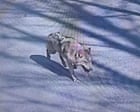
Residents in Daejeon didn't expect their Tuesday morning to start with a predator alert on their phones. When a gray wolf slipped out of its enclosure at O-World Zoo, the city went into a collective holding pattern. It’s the kind of headline that sounds like a movie plot until you’re the one told to stay inside because a carnivore is wandering your neighborhood. Thankfully, the situation ended without a drop of blood spilled, but this incident highlights a massive gap in how we manage captive wildlife in urban spaces.
The wolf, a female named Sali, didn't go on a rampage. She didn't hunt. She basically wandered around the wooded hills near the park for about five hours before being tranquilized. While the public feels a sense of relief that the wolf is back in her cage and no one got hurt, we should be asking how a "secure" facility let a specialized hunter just walk out the front door.
Why Zoo Security Is Failing Long Before the Gate Opens
Most people think a zoo escape happens because of a broken lock or a fallen tree. Usually, it's just human error. In the case of Sali, reports suggest a door was left slightly ajar during a routine cleaning or feeding shift. It’s a classic case of complacency. When you work with the same animals every day, you start to see them as part of the furniture rather than the apex predators they actually are.
South Korea has seen a few of these high-profile escapes lately. Remember the zebra, Sero, who went viral for wandering through Seoul’s traffic? People thought it was cute. It wasn't. It was a sign that the systems meant to keep these animals safe—and us safe from them—are fraying at the edges.
Zoos like O-World are popular family destinations. They're supposed to be fortresses of conservation. But when a wolf can exploit a five-minute window of inattention, the "fortress" is just an illusion. The gray wolf isn't a mindless killer, but a scared, confused predator in a concrete jungle is a recipe for a nightmare.
The Physical Reality of a Wolf on the Loose
A gray wolf can cover a lot of ground. Fast. These animals are built for endurance. If Sali had decided to leave the immediate vicinity of the zoo, she could've been kilometers deep into residential Daejeon before the first tranquilizer dart was even loaded.
The search involved over a hundred police officers, firefighters, and zoo staff. They used drones. They used heat-sensing cameras. This wasn't just a walk in the woods; it was a tactical operation. The terrain around O-World is hilly and dense with brush, which makes spotting a gray-coated animal nearly impossible from the ground.
The Tranquilization Process Isn't Like the Movies
In films, a dart hits an animal and it drops instantly. In reality, it takes several minutes for the chemicals to hit the bloodstream and take effect. During those minutes, the animal is often panicked. It might run faster, jump higher, or become aggressive. The responders in Daejeon had to track Sali carefully after the dart hit to ensure she didn't collapse in a spot where she might choke or roll down a steep embankment.
They found her hiding in the bushes, about 500 meters from her enclosure. She was groggy, scared, and eventually, crate-bound. It’s the best possible outcome for a situation that could have ended with a police marksman taking a lethal shot.
Public Safety vs Animal Welfare
When an animal escapes, the priority shifts instantly to public safety. If a wolf threatens a person, the animal loses. Every time. This is why the relief felt by South Koreans isn't just about their own safety—it's about the fact that the wolf didn't have to die for a human mistake.
We have to look at the ethics of keeping these wide-ranging carnivores in facilities that clearly struggle with basic protocol. A wolf in the wild might roam hundreds of square miles. Putting them in a pen and then forgetting to latch the gate isn't just a safety lapse; it's a failure of our responsibility to the animal.
What This Means for Future Zoo Visits
You shouldn't stop going to zoos, but you should start looking at them differently. This escape will likely trigger a massive audit of O-World’s safety protocols, and it should. We need more than just double-entry doors. We need automated sensors that alert staff the second a perimeter is breached.
If you're living near these facilities, pay attention to the emergency alerts. They aren't just spam. The speed of the response in Daejeon was the only reason this didn't turn into a tragedy. The zoo staff and local authorities moved quickly, and that saved Sali’s life as much as it saved the public from a potential encounter.
Check the safety ratings of the wildlife parks you visit. Support facilities that invest heavily in infrastructure and staff training. The next time a gate is left open, the animal might not be as cooperative as a confused gray wolf in the hills of Daejeon.



