Diplomatic relations between African superpowers don't just sour overnight. They explode. When Nigeria ordered the immediate evacuation of more than 1,000 of its citizens from South Africa, it wasn't a sudden knee-jerk reaction. It was the breaking point of years of simmering resentment, targeted violence, and political failure.
If you've been following the news, you know the headlines look grim. Riots in Johannesburg. Burned shops in Pretoria. Muddy political excuses from both sides. But to understand why Nigeria took the massive step of flying its people out of the country, you have to look past the official press releases. You need to see the real economic fear and political scapegoating driving the madness on the ground.
Inside the South Africa Xenophobia Crisis
Let's clear up a massive misconception right now. This isn't just random street crime. The violence hitting foreign nationals in South Africa, particularly Nigerians, stems from deep-rooted structural anger.
South Africa boasts one of the continent's largest economies, but it's crippled by staggering unemployment rates, often hovering around 30 percent or worse among young adults. When people can't find work, feed their families, or see a future, they get angry. Local politicians, looking to divert blame from their own policy failures, frequently point fingers at immigrants.
The narrative is simple, dangerous, and wrong. They claim foreigners are stealing jobs, running drug syndicates, and straining public services.
It's a classic scapegoating tactic. Honestly, it works too well. Mobs targeted foreign-owned businesses in Gauteng province, smashing windows and setting properties ablaze. While South African authorities often try to downplay these attacks as common criminality rather than pure xenophobia, the victims know the truth. They were targeted because of their accents, their passports, and their success.
The Breaking Point and the Air Peace Airlift
When the violence peaked, Nigeria's government realized talks weren't saving lives. Enter Allen Onyema, the chairman of Nigerian airline Air Peace. In a highly publicized move, Onyema volunteered his commercial Boeing 777 aircraft to fly to Johannesburg and bring Nigerians home for free.
It wasn't a smooth operation.
The first batch of returnees faced intense administrative roadblocks at Oliver Tambo International Airport. South African immigration officials meticulously checked documents, delaying the takeoff for hours. Rumors swirled that authorities were trying to prevent people from leaving to avoid a massive international public relations disaster.
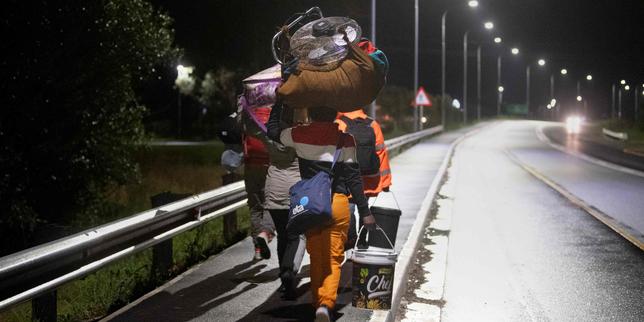
Ultimately, the planes landed in Lagos. Over 1,000 Nigerians stepped off those flights with nothing but the bags in their hands. Many had lived in South Africa for decades. They left behind homes, businesses, marriages, and life savings.
Imagine building a retail business over ten years only to watch it burn down in ten minutes because of where you were born. That's the reality these returnees faced.
The Broken Myth of African Solidarity
This crisis exposes a deeply uncomfortable truth about continental politics. The beautiful ideal of Pan-African solidarity, the concept that all African nations stand together as brothers, is largely a myth kept alive by politicians in expensive suits.
The historical irony here is thick enough to choke on. During the dark decades of Apartheid, Nigeria was a frontline state in the fight for South African freedom. The Nigerian government set up the National Committee Against Apartheid. Nigerian citizens paid a voluntary "Apartheid Tax" straight from their salaries to fund the African National Congress (ANC) and support freedom fighters. Nigeria issued passports to ANC leaders so they could travel the world and rally support.
Today, the children of those Nigerians are being hunted in the streets of Johannesburg.
The diplomatic fallout has been brutal. Nigeria recalled its High Commissioner to South Africa. The government boycotted the World Economic Forum on Africa held in Cape Town. Angry crowds in Lagos and Abuja retaliated by attacking South African commercial giants operating in Nigeria, smashing up MTN offices and targeting Shoprite supermarkets. Violence only breeds more violence, and the situation rapidly spiraled out of control.
What South Africa and Nigeria Must Do Right Now
Shuttling citizens back and forth on emergency flights is a temporary band-aid on a gaping chest wound. It doesn't fix the underlying rot. If these two nations want to prevent another explosion of violence, their leadership needs to stop talking and start acting.
South African leadership must completely change its rhetoric. Politicians have to stop using illegal immigration as an easy talking point to rile up voters during election cycles. When leaders hint that foreigners are the root of all economic evil, the streets take it as a green light to attack. Furthermore, the South African Police Service needs rigorous training to handle xenophobic threats proactively, rather than standing by while shops burn.
Nigeria has homework to do as well. People don't risk their lives moving abroad because things are perfect at home. The Nigerian government needs to fix its own domestic economy, stabilize the naira, improve infrastructure, and create real opportunities for its massive youth population. When a country provides a stable environment for its people, they don't have to flee to places where they aren't welcome.
If you are a business owner or traveler operating between these two economic hubs, diversify your risks immediately. Don't keep all your capital in one volatile market. Ensure your documentation is flawless, back up your business data to the cloud, and establish local partnerships that can protect your assets if political tensions flare up again. Watch the local news closely, ignore the sugar-coated government statements, and always have an exit strategy ready.