A child’s eyes are wide, reflecting the strobing blue and red wash of emergency lights. In the backseat of a sedan, five years old, surrounded by the soft scent of old upholstery and the lingering ghost of a morning snack. Then comes the sound. A sharp, violent crack that splits the quiet afternoon air—not the thunder of a storm, but the finality of a gunshot.
Glass shatters. Metal groans. And a community’s fragile trust in the institutions meant to protect it fractures right along with the windowpane.
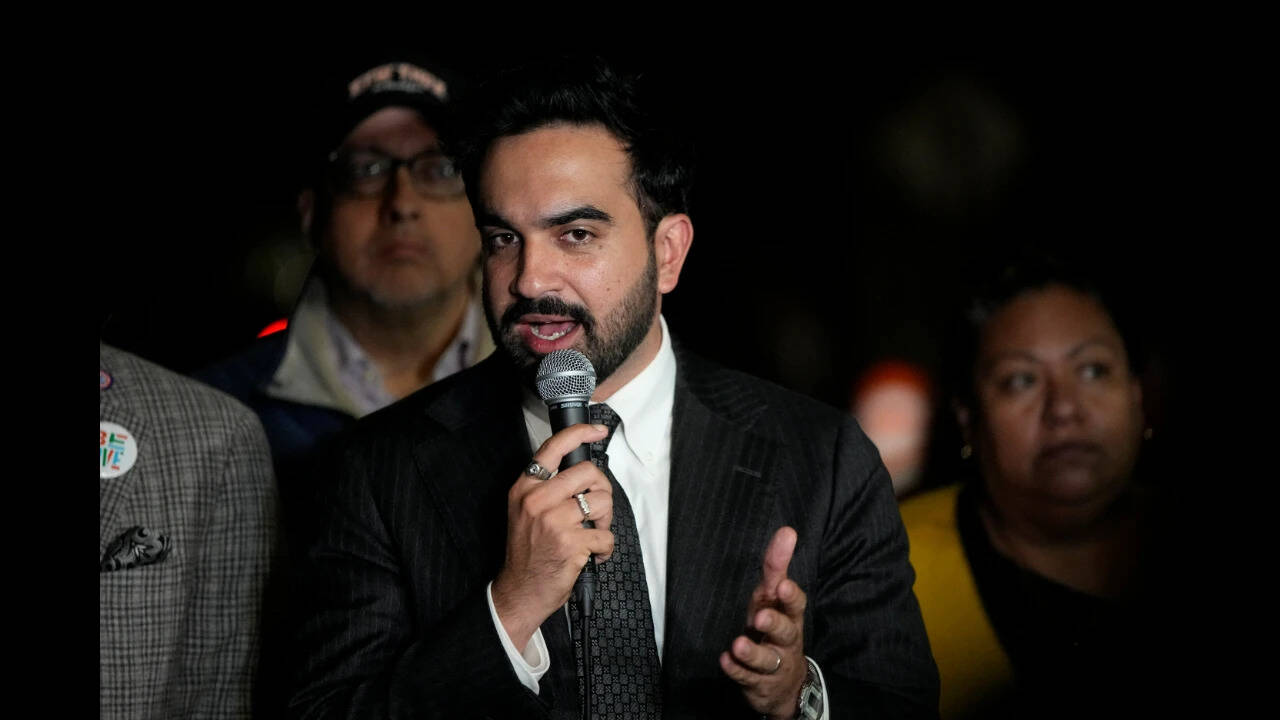
This is not a statistic pulled from a sterile ledger. This is the human cost of a raid gone wrong on a New York City street, an incident that prompted city leaders like Mamdani to demand that federal immigration enforcement leave the five boroughs entirely. When an immigration enforcement agent fires a weapon in the vicinity of a child, the conversation shifts instantly from administrative policy to basic human survival.
We talk about immigration enforcement in broad, sweeping terms. We discuss deportation quotas, federal mandates, sanctuary city laws, and jurisdictional boundaries. But policy is abstract until a bullet enters a neighborhood. Policy is clean until a parent is bleeding on asphalt while a terrified child watches from the backseat.
Consider what happens next in a neighborhood where federal agents operate without local coordination. Fear spreads faster than any news bulletin. A mother walking her child to school suddenly looks at passing unmarked cars with a knot in her stomach. A small business owner locks the door early, wondering if today is the day an enforcement action disrupts the entire block. Trust—that invisible mortar holding diverse urban neighborhoods together—disintegrates.
When local elected officials demand that ICE pack its bags and leave, they are reacting to a deep, visceral erosion of public safety. The core argument is simple yet profound. True safety requires community cooperation. When federal agents conduct operations that endanger bystanders, children, and residents, they are not enforcing public safety. They are manufacturing terror.
In a city of eight million souls, safety is a delicate ecosystem. It relies on the willingness of immigrant communities to report crimes, to act as witnesses, to send their children to local clinics, and to trust that calling 911 will bring help rather than handcuffs for a neighbor. When federal immigration operations pierce that ecosystem with gunfire and chaos, the ripple effects touch every single resident, documented or not.
Look closely at the mechanics of urban policing and federal jurisdiction. Local police departments are bound by local laws, community oversight, and accountability to city residents. Federal immigration agencies answer to distant federal directives, operating with a degree of insulation that often breeds impunity. When those two worlds collide on a crowded street, tragedy is rarely far behind.
The demand for ICE to leave New York City is not born out of political theater. It is born out of a profound exhaustion with collateral damage. It is the realization that a five-year-old child should never have to duck for cover in the backseat of a family car because federal agents opened fire in broad daylight.
We are left with an urgent question that defies easy legal briefs or bureaucratic memos. What good is the enforcement of law if the execution of that law destroys the very fabric of the community it claims to protect?
The blue lights fade from the windshield. The sirens recede into the distance. But the child in the backseat carries the memory, and a city is left to reckon with the heavy, bitter price of a broken system.


