Most high school community service projects die the second the required volunteer hours get signed off. You've probably seen it happen a hundred times. A teenager collects a couple of cardboard boxes of old paperbacks, drops them at a local shelter, snaps a photo for a college application, and never thinks about literacy rates again.
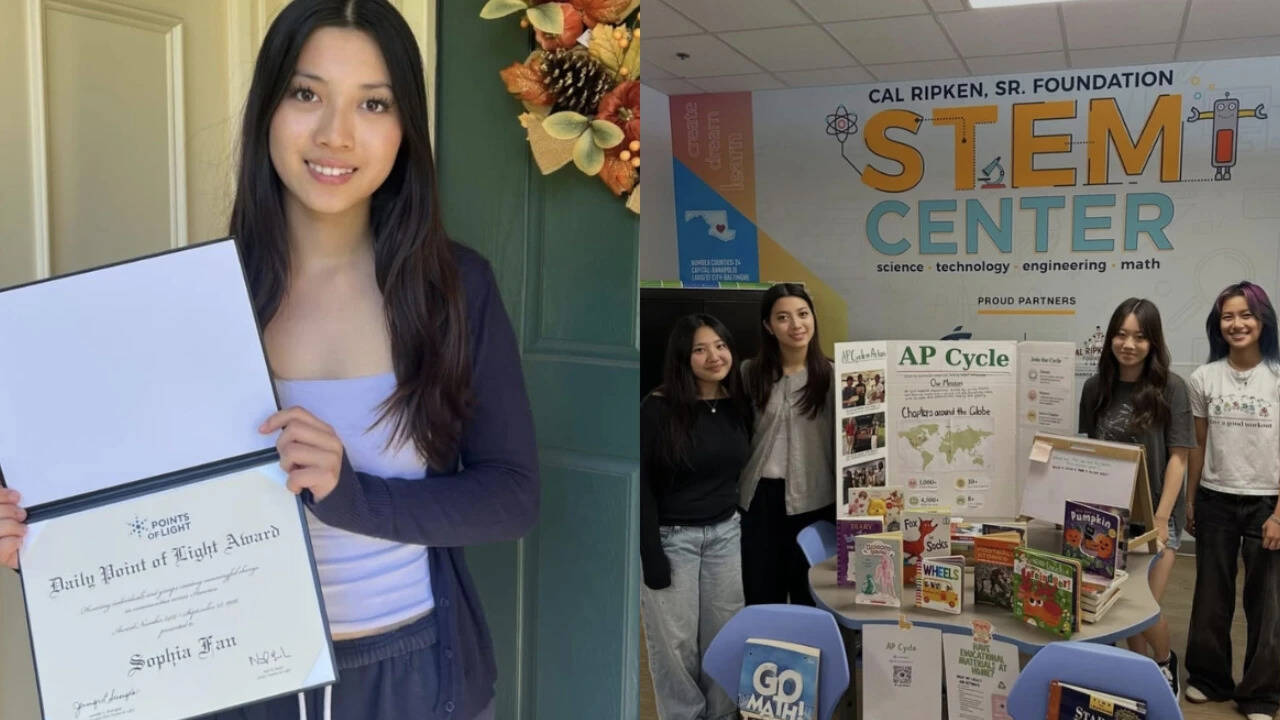
Sophia Fan didn't do that. Over four years in Maryland, the 17-year-old student built a sustained book distribution effort that put more than 7,000 books directly into the hands of readers who needed them.
That number isn't a fluke. Moving seven thousand physical books takes storage space, sorting systems, relentless outreach, and a stubborn refusal to quit when the initial excitement wears off. When you look closely at how a teenager pulls off that kind of logistical lift alongside a normal high school workload, you start seeing why most charity drives fail—and what actually makes grassroots literacy work.
Why 7,000 Books Is Harder Than It Sounds
People hear "7,000 books" and picture a single giant warehouse donation. That's rarely how youth-led drives work. In reality, hitting that volume over four years means averaging roughly 1,750 books every single year, or about 145 books every month, rain or shine, through exam weeks, summer breaks, and school transitions.
Think about the physical weight of that. An average paperback weighs around half a pound to a pound, while hardcovers easily push two pounds or more. Seven thousand books equals roughly three to four tons of paper. Someone has to haul those boxes up basement stairs, inspect the spines, weed out torn or outdated textbooks nobody wants, categorize them by reading level, and coordinate drop-offs with schools, shelters, and community centers.
I've helped organize local book drives before, and the sorting phase alone breaks most volunteers. People love donating their dusty 1998 travel guides and water-damaged encyclopedias. If you don't filter those out, you aren't helping under-resourced classrooms—you're just making a teacher haul your trash to the dumpster. Sustaining a multi-year effort like Sophia Fan's requires treating book distribution like an actual supply chain rather than a feel-good weekend hobby.
The Real Problem With Book Deserts in Maryland and Beyond
To understand why a 17-year-old in Maryland spent four years chasing down thousands of books, you have to look at the quiet crisis sitting right inside suburban and urban neighborhoods across the state. We tend to assume everyone has easy access to reading material because public libraries exist and digital screens are everywhere. That assumption is completely wrong.
Researchers call them "book deserts"—neighborhoods where low-income families have almost zero physical books in the home and few nearby places to buy them. According to research frequently cited by organizations like Reading Is Fundamental and the National Center for Education Statistics, the ratio of books to children in low-income communities can drop as low as one age-appropriate book for every 300 children. Compare that to middle-income neighborhoods, where a single household often owns dozens or hundreds of books.
When kids don't own books at home, summer reading loss hits them like a brick wall. Library visits require transportation, rigid return schedules, and parents who aren't working double shifts. Owning a physical book—one you can write your name inside, reread ten times, and keep on your own shelf—changes a child's relationship with reading in a way a borrowed library copy never quite matches.
Maryland has some of the wealthiest counties in the United States right next door to communities struggling with severe educational resource gaps. A student operating in Maryland sits right at the intersection of massive surplus and acute need. On one side of town, families have overflowing bookshelves they want cleared out; twenty minutes away, classrooms and community programs are desperate for fresh, engaging titles. Bridging that twenty-minute gap is where almost all grassroots charity work succeeds or fails.
What Most Student Initiatives Get Wrong About Book Drives
If you want to replicate what Sophia Fan built over four years, you have to avoid the traps that sink ninety percent of youth-led nonprofits and school clubs. Honestly, most well-meaning book drives create more friction than value.
Collecting Trash Instead of Treasures
The biggest mistake is accepting everything without quality control. A kid who struggles with reading won't suddenly fall in love with literature because someone handed them a yellowed, smell-of-mildew novel from 1984 with small print and a missing cover. High-impact distributors screen ruthlessly. They prioritize high-interest fiction, graphic novels, early chapter books, and culturally relevant stories that reflect the kids actually reading them.
Ignoring the Recipient's Actual Needs
Dropping fifty random boxes at a community center without asking what age groups they serve is lazy charity. Early childhood programs need board books and picture books. Middle school after-school programs need series fiction and relatable contemporary stories. When a distributor builds long-term relationships over four years, they stop guessing and start taking requests.
Relying on One-Off Viral Moments
A single social media post might bring in 400 books in a week. Then the algorithm moves on, and donations drop to zero. Reaching 7,000+ books requires boring, repeatable systems: recurring collection bins at local businesses, partnerships with neighborhood associations, end-of-school-year locker cleanout drives, and steady communication with donors so they remember you exist six months later.
How Grassroots Literacy Programs Scale Without Big Budgets
You don't need a massive grant or a corporate sponsor to move thousands of books. What you need is leverage—not the buzzword kind, just practical community math. Every neighborhood already has an excess supply of gently used books sitting in garages, basements, and attics.
Start with collection points where people already carry heavy things. Local recreation centers, independent coffee shops, pediatricians' offices, and neighborhood clubhouses work far better than passive online pleas. When parents clean out their kids' bedrooms before a holiday or the start of a new school year, having a visible drop-off bin within five minutes of their house turns clutter into inventory.
Storage is the second bottleneck. Seven thousand books don't fit in a bedroom closet. Successful multi-year organizers solve this through rapid turnover rather than massive warehousing. Instead of hoarding 3,000 books for an annual mega-event, you collect 300, sort them over a weekend, and deliver them to a partner school or shelter the following week. Keeping inventory moving prevents burnout and keeps parents from threatening to throw your boxes out of the garage.
Tracking your numbers also matters more than people think. Counting every book, logging where it came from, and recording where it went isn't about bragging rights. Data gives you credibility. When a 17-year-old walks into a local business or school administration office and shows a documented track record of thousands of books delivered over multiple years, adults stop treating them like a kid doing a school project and start treating them like a serious operational partner.
What You Can Do Right Now If You Want to Move Books in Your Community
Reading about a Maryland teenager distributing 7,000 books is inspiring, sure, but inspiration without action is just entertainment. If you have books sitting on your shelves right now—or if you want to start a smaller version of this in your own neighborhood—you can start today without forming a nonprofit or filing a single piece of paperwork.
- Audit your own shelves this afternoon. Pull out every children's, middle-grade, and young adult book in your house that hasn't been touched in a year. Check the condition honestly: if the spine is broken, pages are missing, or it's an outdated textbook, recycle it. Only keep books you'd happily hand to a friend's kid.
- Call before you drop. Pick two Title I elementary schools, a local domestic violence shelter, or a pediatric clinic within ten miles of your house. Call their main desk and ask one specific question: "Do you have a need for gently used children's books right now, and what age ranges are you shortest on?"
- Run a two-week neighborhood porch pickup. Post a clear, specific request in your local neighborhood group or parent chat. Don't ask for "any books." Ask for picture books, graphic novels, and middle-grade series in great condition, and offer to pick them up off neighbors' front porches on a specific Saturday morning.
Start with fifty good books delivered to one classroom that actually asked for them, and build from there.