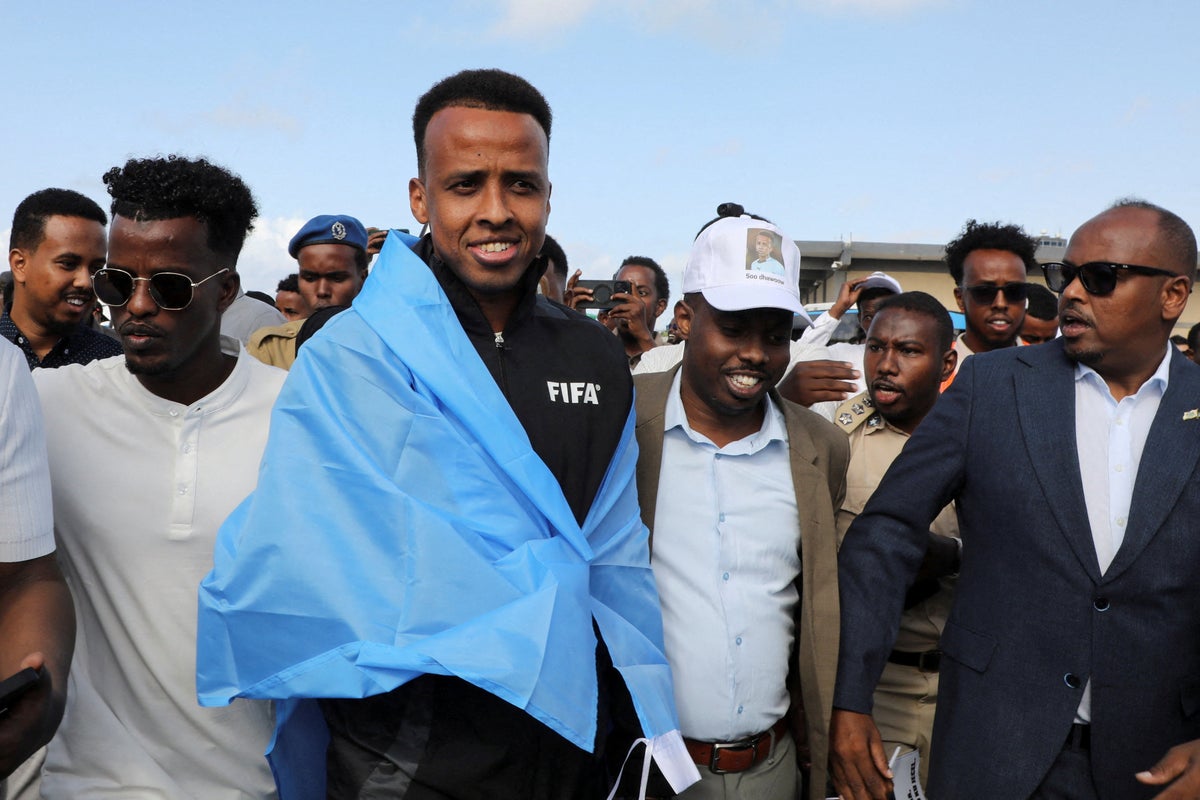
A referee gets denied a visa, misses the biggest tournament on earth, flies back to his home country, and gets greeted by cheering crowds and government officials.
The media eats it up. They paint it as a heartwarming story of national pride overcoming Western bureaucratic cruelty. It is a neat, emotionally manipulative narrative.
It is also completely wrong.
The celebration surrounding the Somali World Cup referee who was blocked from entering the United States is not a triumph. It is a distraction. The public is cheering for a symptom while ignoring a terminal disease.
We are told to look at the visa denial as an isolated incident of geopolitical friction or administrative bad luck. In reality, this situation exposes how FIFA and global sports governing bodies routinely abandon professionals from developing nations, using them as diversity tokens until the moment actual administrative backing is required.
The Illusion of the Global Game
Football claims to be the great equalizer. FIFA loves to broadcast campaigns about unity, inclusion, and the global footprint of the sport. They tell us that talent is everywhere, and that the beautiful game transcends borders.
That is marketing copy. The reality is a rigid caste system.
When an elite European referee needs to travel for an international match, an army of fixers, lawyers, and federations smooths the path. Passports are fast-tracked. Visas are guaranteed. Diplomatic strings are pulled before the official even packs a bag.
When a referee from a nation like Somalia faces the exact same sporting assignment, they are left to navigate the brutal, asymmetric machinery of international immigration alone.
The true failure here does not belong to immigration officials. It belongs to the sporting institutions that demand world-class professionalism from officials while offering third-rate institutional support.
I have spent years watching sports organizations manage international logistics. I have seen tennis players from South America miss Grand Slams because a federation couldn't be bothered to file paperwork on time. I have seen African track athletes train for four years only to sit in an airport terminal while their heat runs without them.
The "hero's welcome" is a coping mechanism. It is a way for a nation to reclaim dignity after being publicly snubbed on the international stage. But let’s be brutally honest: cheering at the airport does not put that referee on the pitch. It doesn't change the fact that a career-defining milestone was stolen by paperwork.
Dismantling the Victim Narrative
The common reaction to this story is outrage directed at the host nation’s immigration policy. The internet demands to know how a designated World Cup official could be turned away.
This outrage stems from a fundamental misunderstanding of how international borders work. Sovereign nations do not care about FIFA accreditation. A consular officer checking a visa application does not view a World Cup assignment as a magical passport. They look at risk profiles, bilateral agreements, and institutional guarantees.
If FIFA actually cared about equity in officiating, they would establish binding legal and diplomatic frameworks with host nations years before a tournament begins. They don't. They drop the referee's name on a list and consider their job done.
Consider the mechanics of the process:
- Host Country Requirements: Strict, rigid, and completely indifferent to sports.
- FIFA's Action: Issuing a letter of invitation that carries zero legal weight.
- The Result: The official from a developing nation takes 100% of the professional and personal risk.
If a multi-billion-dollar organization cannot guarantee the safe and certain passage of its essential personnel, it has no business hosting events globally.
The Damage of the Feel-Good Spin
Turning this logistical disaster into a feel-good human-interest story is dangerous. It sanitizes incompetence.
When the media focuses on the singing, the dancing, and the emotional speeches at the airport in Mogadishu, they stop asking hard questions. They stop asking why the Confederation of African Football (CAF) did not intervene forcefully. They stop asking why the local federation lacked the institutional muscle to protect their asset.
This is the "poverty porn" of sports journalism. It reframes systemic exclusion as an inspiring tale of resilience.
Resilience is what you need when you survive a natural disaster. It should not be a prerequisite for a qualified professional trying to referee a match.
The downside to calling this out is obvious. It sounds cynical. It strips away the one silver lining the official and his supporters had left. But continuing to smile through these incidents guarantees they will happen again at the next tournament, and the one after that.
How to Actually Fix the System
Stop looking for emotional closure at airport arrivals terminals. If the sporting world wants to fix this, the playbook requires a complete overhaul of host-nation contracts.
- Mandatory Diplomatic Guarantees: No country should be allowed to bid on a major international tournament unless they sign a binding treaty granting automatic, expedited sports-person visas to all accredited athletes, coaches, and officials, regardless of their country of origin.
- Institutional Legal Defense Funds: Global bodies must establish dedicated legal teams whose sole job is to litigate and lobby for the travel rights of officials from marginalized federations.
- Financial Indemnification: If an official is denied entry due to bureaucratic failure, they should be compensated the exact amount they would have earned by participating, funded directly by the host country's organizing committee.
Until those structural changes happen, every parade, every speech, and every hero's welcome is just a celebration of a defeat.
Stop cheering for the survival of an unfair system. Demand a system that actually works for everyone it claims to represent.