The warning did not come on engraved stationery or through the measured cadence of diplomatic channels. It arrived like an electric jolt through the dry heat of a Tehran afternoon, a sharp and unmistakable line drawn in the dirt. Do not cross again. The message, broadcast across state media and whispered in the cool marble hallways of power, was meant to freeze an adversary in place. Yet thousands of miles away, inside the sterile hum of a command center, orders were already being reviewed. The chess pieces did not stop moving just because someone shouted across the board.
War rarely begins with a singular thunderclap. More often, it starts as a low, persistent hum—a background noise that inhabitants learn to tune out until the walls begin to shake.
To understand what is happening right now along the asphalt corridors of the Middle East, you have to strip away the acronyms and the satellite maps. You have to look at the human cost of escalation. Consider a hypothetical harbor worker in the port city of Hodeidah, a man named Tariq who wakes each morning to the smell of salt water and burnt diesel. For him, geopolitics is not an abstract debate held by men in suits in Geneva or Washington. It is the sudden screech of metal overhead, the frantic scramble for a basement stairwell, and the quiet, crushing realization that the price of flour has doubled overnight because another cargo ship decided the Red Sea was too dangerous to cross.
Fighting rages in Yemen not as a distant video game, but as an endless succession of dust-choked afternoons where families wonder which wall of their home offers the safest shelter. The conflict there has bled into the broader regional confrontation, serving as a proxy theater where larger powers test the structural integrity of international deterrence. When Houthi forces launch drones toward maritime lanes, or when coalition aircraft respond with precision strikes, they are writing sentences in a language of fire that the people on the ground never asked to learn.
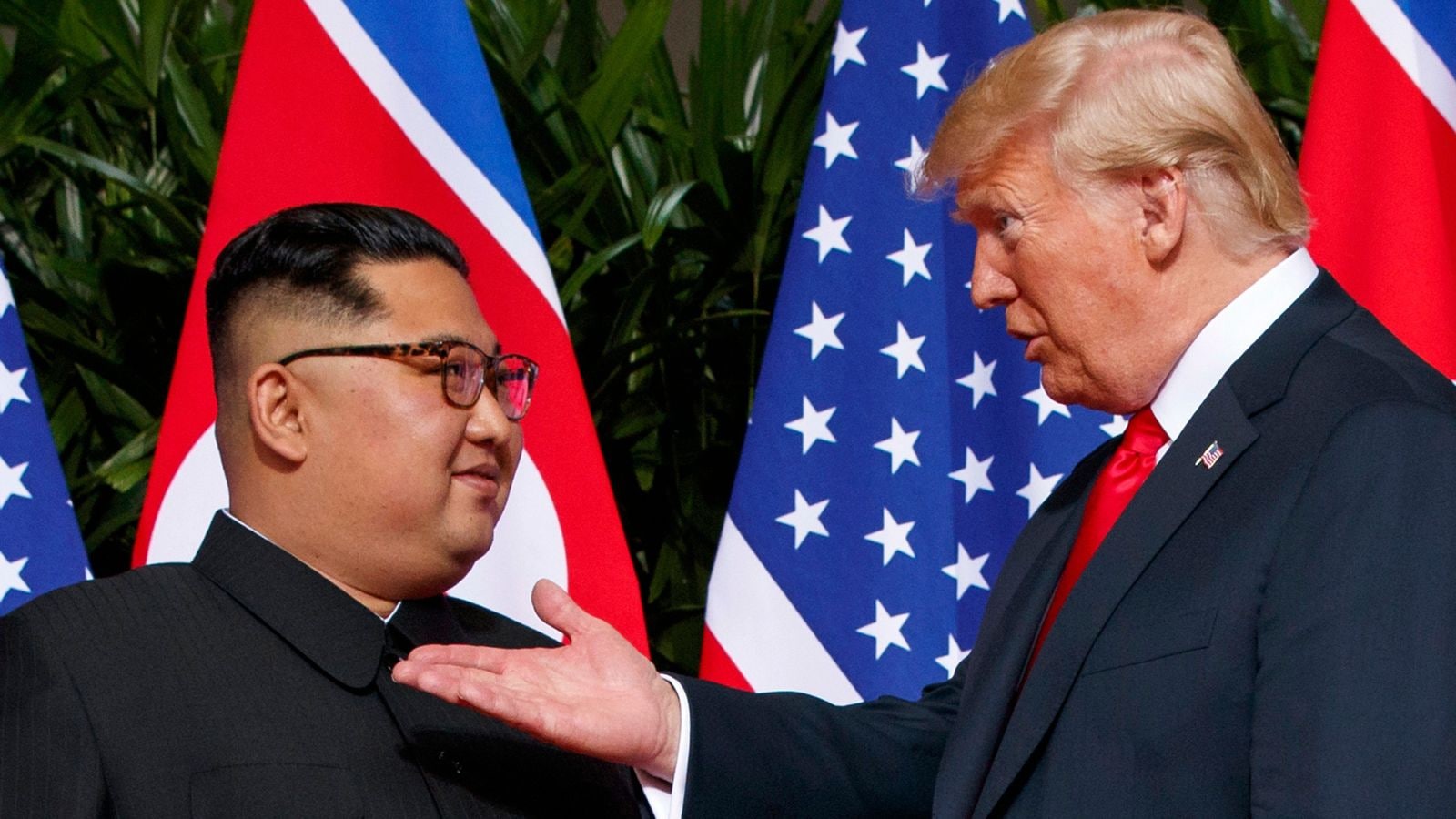
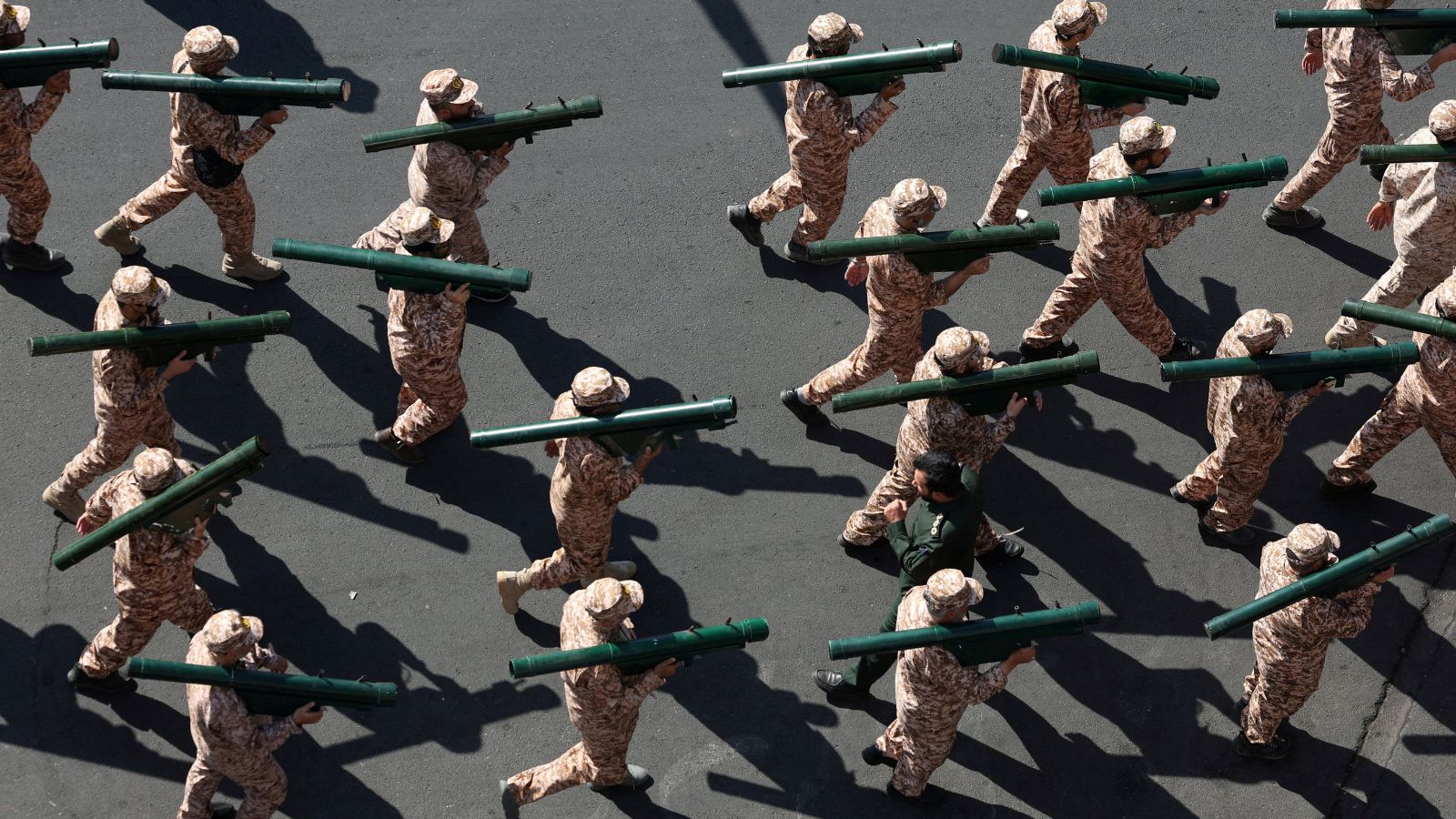
Meanwhile, the rhetoric between Tehran and Washington has evolved past the usual theater of posturing. Following recent American strikes targeting militia infrastructure, Iranian officials drew a hard red line. The warning was direct: any subsequent military action would invite a disproportionate response, pulling the region closer to a wide-scale conflagration that no one claims to want, yet everyone seems to be sleepwalking toward.
It is a terrifying paradox. Deterrence relies on credibility. If one side strikes and the other does not answer with equal or greater force, the deterrent fails. But if the response is too severe, it triggers an unstoppable escalation spiral. Both capitals are currently trapped inside this lethal logic.
Step back for a moment and look at the geography. The Strait of Hormuz and the Bab el-Mandeb strait are the narrow bottlenecks through which the lifeblood of the global economy flows. When tensions spike here, the shockwaves are felt instantly at a gas station in Ohio, a supermarket checkout in London, and a manufacturing plant in Tokyo. We live in an ecosystem so tightly wound that a missile strike in a dusty Yemeni province can alter the cost of heating a home in Europe before the smoke has even cleared.
This is the invisible architecture of our modern crises. We imagine that borders protect us, that oceans divide us, that the screen of a smartphone keeps the chaos at a safe, consumable distance. But the reality is far more porous.
The tension in Tehran is palpable. On the streets, beneath the surface of official bravado, there is an acute anxiety about what tomorrow brings. Ordinary citizens—teachers, engineers, shopkeepers—stock pantry shelves not out of panic, but from a deeply ingrained historical memory. They know that when governments play high-stakes poker with missiles, it is the civilian population that pays the ante. They watch the news tickers with a familiar dread, wondering if the next flash will be the one that turns economic strangulation into open catastrophe.
At the same time, military planners in the United States and its allies calculate angles of interception and collateral damage margins, attempting to calibrate force with surgical precision. They believe they can thread the needle—delivering a blow hard enough to deter further attacks, yet soft enough to avoid a full-scale regional war.
History suggests otherwise.
When nations begin trading warnings and retaliatory strikes, they enter a dark room where every movement sounds like an attack. Miscalculation becomes the default setting. A stray drone, a mistimed radar reading, a panicked commander on the ground—any of these can turn a carefully managed standoff into an irreversible disaster.
The smoke rising over the rugged coast of Yemen and the tense communiqués issuing from the Iranian capital are not isolated incidents. They are chapters of the same unfolding story, a story about the fragility of peace in an era of fractured trust.
As the sun sets over the Gulf, cargo ships alter their courses in the dark, cutting their lights to avoid detection in waters that have become a modern-day gauntlet. Somewhere in a quiet room, a phone rings with new intelligence. Somewhere else, a family listens to the wind, hoping against hope that the night will remain quiet. The line in the dirt has been drawn, but the wind is already beginning to blow it away.