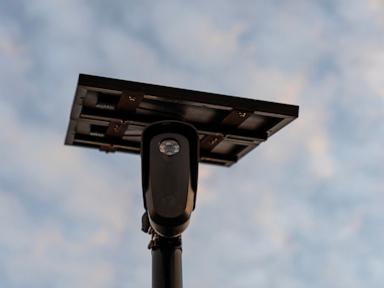
You drive down a quiet suburban street. You assume you're anonymous. You aren't. Tiny, high-tech automatic license plate readers mounted discreetly behind street signs are logging your every move. Now, these black boxes are invading something else: the ballot box.
Politicians running in the current midterm elections are turning automated surveillance networks into a primary flashpoint. Voters are pushing back against private tech companies that quietly wire neighborhoods into massive tracking architectures. What started as an obscure municipal tech contract is turning into a full-scale political referendum on civic privacy.
How Private Tech Built a Public Eye
For years, companies like Flock Safety expanded across the United States with very little public debate. Police departments love them because the tech catches stolen vehicles and tracks suspects across municipal lines. Local councils sign off because it sounds like modern public safety.
Yet the hardware captures far more than license plates. Modern iterations record vehicle makes, models, bumper stickers, and even passing pedestrians. When software companies aggregate this data into massive cloud databases, normal citizens realize they are being cataloged by private corporations.
Voters are furious about the lack of consent. Tech companies argue their products keep communities safe, but candidates running on anti-surveillance platforms are finding eager audiences.
The Political Backlash Hits Main Street
Grassroots opposition caught tech executives and local politicians flat-footed. Projects like DeFlock started as simple crowd-sourced mapping efforts by software engineers who noticed creepy black cameras hidden near intersections. Today, those maps feed directly into political campaigns.
Candidates are turning hardware contracts into litmus tests for personal liberty. If you support installing thousands of cloud-connected lenses on public rights-of-way, you are labeled hostile to privacy. If you want them ripped down, you champion the voter.
The debate splits along unusual lines. Traditional advocates for law and order now find themselves defending private tech monopolies that store citizen data on corporate servers. Meanwhile, civil libertarians and privacy-conscious voters form unexpected coalitions to demand municipal bans.
What You Can Do About Local Surveillance
You don't have to wait for election day to find out if your town is tracked. Most deployments happen through local police budget approvals rather than major city council votes.
Check public records for tech acquisitions. Attend local zoning meetings and ask direct questions about data retention policies. Push your local officials to demand strict sunset clauses on any automated tracking equipment. Privacy isn't going to protect itself, and waiting for lawmakers to catch up to Silicon Valley is a losing game. Flock Safety announces privacy updates after criticism
This video is relevant because it outlines the recent privacy updates and policy changes made by Flock Safety in response to mounting public criticism and political pressure.
http://googleusercontent.com/youtube_content/1