If you only pay attention to global climate summits when big polluters are arguing, you're missing the entire point of where the real pressure for survival is coming from.
Low-lying island nations aren't just sitting back waiting to sink beneath the waves. While industrial giants drag their feet on emissions targets, small island developing states are rewriting international law, taking fossil fuel corporations to court, and acting as the moral compass for a warming planet.
You've probably seen the headlines. Tuvalu, Vanuatu, the Maldives—they get painted as helpless victims in a slow-motion tragedy. That narrative is lazy, and honestly, it's flat-out wrong. These countries are punching way above their weight class on the global stage because they have zero choice. When your literal backyard is disappearing into the ocean, politeness goes out the window.
The Legal Revolution Coming Out of the Pacific
Let's talk about what's actually happening on the ground. For years, international climate negotiations felt like a talk shop where rich countries made empty promises while keeping their coal plants humming. Island nations got tired of waiting for permission to survive.
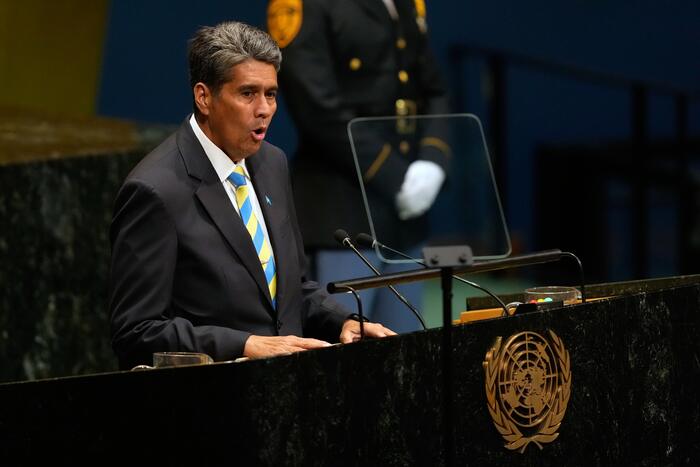
Take Vanuatu. This small Pacific nation led a historic charge at the United Nations General Assembly to ask the International Court of Justice for an advisory opinion on climate change obligations. Think about what that means. They are pushing to establish clear legal responsibilities for countries whose emissions are destroying vulnerable ecosystems.
It's not just symbolic. Courts in places like the European Court of Human Rights are starting to hear cases brought by citizens—like older women in Switzerland or youth groups in Portugal—arguing that government inaction on climate violates their fundamental rights. Island nations helped lay the intellectual and diplomatic groundwork for this shift. They turned a humanitarian crisis into a legal liability.
Loss and Damage Is No Longer Just a Buzzword
For decades, wealthy nations blocked any talk of "loss and damage" financing. They were terrified of admitting legal liability for historical emissions. Who can blame them? The price tag is astronomical.
Island coalitions like the Alliance of Small Island States spent thirty years refusing to let the issue drop. They cornered negotiators, walked out of plenary sessions when necessary, and refused to accept watered-down compromise deals.
At COP27 in Egypt, that relentless pressure finally paid off with the creation of a dedicated loss and damage fund. Sure, getting countries to actually fund it has been an uphill battle, and the bureaucracy is frustratingly slow. But the precedent is set. Wealthy industrialized nations can no longer pretend their carbon footprints exist in a vacuum.
Adaptation on the Frontlines
You can't eat diplomacy when your freshwater wells turn salty from seawater intrusion. While diplomats fight in air-conditioned conference rooms in Geneva or Bonn, local communities on remote atolls are doing the messy, expensive work of adaptation right now.
In Tuvalu, leaders are literally digitizing their entire country. They're scanning land registries, cultural artifacts, and historical records to create a digital twin of their nation. If the physical land becomes uninhabitable, Tuvalu plans to exist as a digital sovereign state in the cloud. It sounds dystopian, but it's pragmatic survivalism at its finest.
In Fiji, entire coastal villages are being relocated inland. Elders are leading community meetings to move ancestral graveyards and homes before high tides wash them away. This isn't theoretical planning. It's happening block by block, family by family, funded by creative local taxes and international partnerships that island leaders fought tooth and nail to secure.
Why the Rest of the World Needs to Wake Up
We treat climate impacts as distant future problems. Island nations live in the reality of those problems today. Their coastlines are our coastlines tomorrow.
When you watch these nations negotiate, you notice a distinct lack of patience for political maneuvering. They don't have the luxury of voting cycles that span four or five years. Their timeline is measured in tide charts and hurricane seasons.
If you want to understand where global environmental policy is heading over the next decade, stop watching Washington or Beijing. Watch Suva. Watch Port Vila. Watch Funafuti. The countries with the least economic power are driving the most profound changes in global accountability because they refuse to go quietly.
Support local climate resilience funds that partner directly with indigenous and island communities. Push your local representatives to back international loss and damage frameworks. Pay attention to the legal battles playing out in international courts. Survival isn't just about building higher seawalls; it's about changing the rules of the game so the people causing the damage are finally held accountable.