Singapore is changing its foreign labor playbook, and nobody seems to notice the bigger picture.
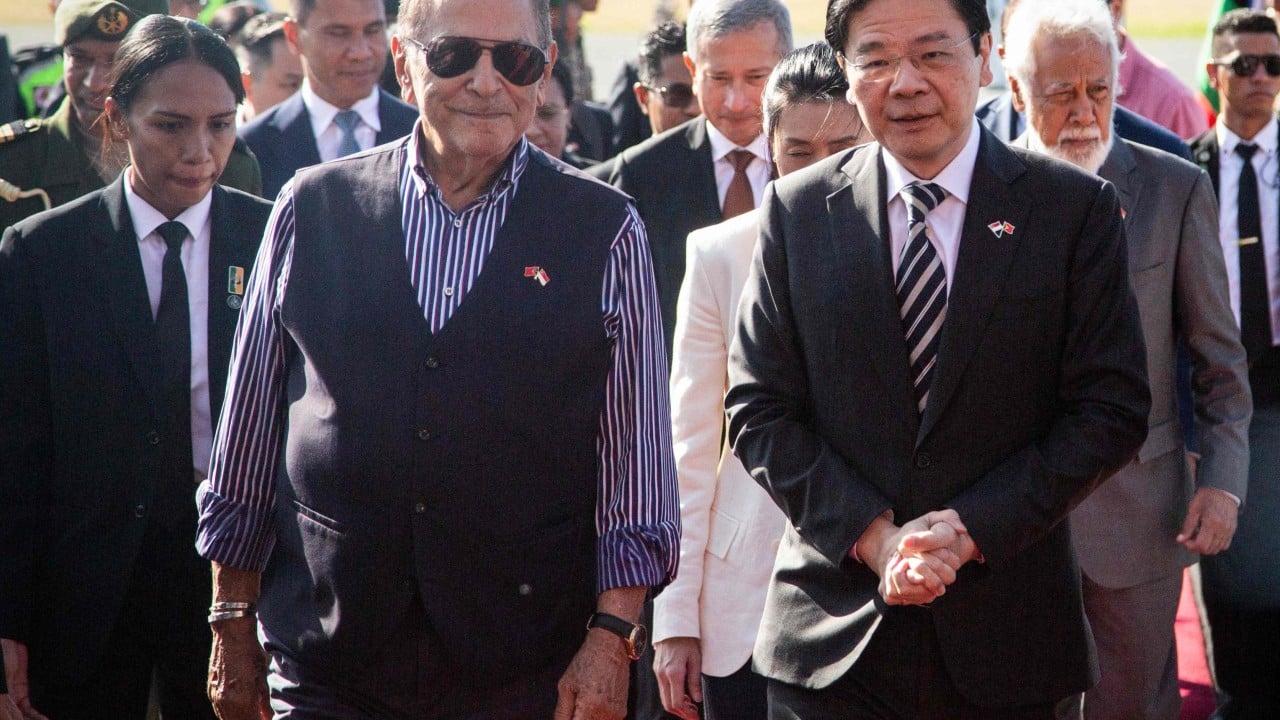
Prime Minister Lawrence Wong just wrapped up a historic two-day visit to Dili. It’s the first time a Singaporean prime minister has ever set foot in Timor-Leste since it gained independence back in 2002. Amidst the formal handshakes and diplomatic ceremonies, the biggest news dropped. Singapore will officially open up selected economic sectors to workers from Timor-Leste starting next year, in 2027.
If you think this is just another standard bilateral agreement, you're missing the point. This isn't just about filling empty jobs on a construction site. It's a calculated, strategic chess move that aligns perfectly with Timor-Leste’s recent entry as the 11th member of ASEAN.
Honestly, it's a win-win situation that tells us exactly where Southeast Asian economics are heading.
The Core Sectors Letting Timorese Workers In
Let's look at the hard facts. PM Wong didn't announce a free-for-all immigration policy. Singapore is highly selective about its labor intake. The framework targets specific traditional industries that keep Singapore’s infrastructure alive.
Starting in 2027, Timorese individuals can apply for work permits in three distinct fields:
- Construction
- Marine Shipyard
- Process Sectors
These industries face chronic labor shortages in Singapore. Local citizens don't want these jobs. Up until now, Singapore relied heavily on a handful of South Asian and Southeast Asian nations to supply this workforce. Adding Timor-Leste to the mix diversifies the talent pool.
For the Timorese, it provides a massive economic boost. They get access to higher wages, structured training, and specialized technical skill sets. They'll eventually bring those skills right back home.
Why the Timing Is Everything
The timing of this announcement isn't accidental. Timor-Leste officially became a full member of ASEAN on October 26, 2025. This followed a grueling application process that dragged on for well over a decade.
Now that they're in the club, the real work begins.
Timor-Leste is scheduled to take over the rotating ASEAN Chairmanship in 2029. Think about that for a second. A young nation that has only been independent for 24 years will guide regional policy for some of the fastest-growing economies on earth. They desperately need to scale up their civil service and economic capabilities to pull this off.
Singapore knows this. That’s why PM Wong expanded the eSTARS package, which stands for Enhanced Singapore-Timor-Leste ASEAN Readiness Support. Singapore is running custom workshops in Dili to teach local officials how an ASEAN chairmanship actually works. Timorese officials are even getting direct attachments with Singapore’s own ASEAN chairmanship team next year.
Opening the labor market is just the physical extension of this diplomatic training.
Reading Between the Diplomatic Lines
Let’s be real about the relationship. Singapore opened its resident embassy in Dili in April 2024. They just appointed their first resident ambassador, Teo Lay Cheng, earlier this year.
During the visit, President Jose Ramos-Horta conferred the Order of Timor-Leste (Grand Collar) upon PM Wong. It's the highest honor the country can give. This recognizes Singapore's quiet, persistent role in dragging Timor-Leste across the ASEAN finish line.
Foreign Ministers Dr. Vivian Balakrishnan and Bendito dos Santos Freitas also signed a brand new pact establishing a regular consultation mechanism. This sets up scheduled, formal meetings to look at regional strategic shifts and economic projects.
What does this mean for businesses and employers? It means the red tape between Singapore and Dili is actively dissolving.
The Practical Impact for Employers and Agencies
If you're a contractor or run a shipyard operation in Singapore, you're probably asking when you can actually hire.
Don't expect application portals to go live tomorrow. The announcement sets the timeline for 2027 to give ministries on both sides time to iron out the bureaucratic logistics.
Manpower ministries need to establish accredited training centers in Dili. Workers must meet Singapore’s strict skills evaluation testing and basic language proficiency requirements before boarding a flight.
Employers should use the remaining months of 2026 to engage with employment agencies specializing in emerging regional markets. Watch for the Ministry of Manpower to drop the specific dependency ratio ceilings and levy structures for Timorese workers later this year.
This isn't a temporary fix for Singapore's labor crunch. It is a long-term investment in regional stability. By giving Timorese workers a foothold in Singapore's most vital sectors, both nations are building an economic bridge that will pay dividends well past the 2029 ASEAN summit. Keep your eyes on the official ministry circulars as 2027 approaches.