Think Singapore is the undisputed, permanent crown jewel of corporate Southeast Asia? Think again. The city-state is hitting a wall. Rent is punishing. Passports for foreign talent are harder to secure. Electricity bills are soaring because of geopolitical energy shocks. The numbers tell a stark story: a recent KPMG and Singapore Institute of Directors survey revealed that 51% of local business leaders now name high domestic business costs as their single biggest barrier to growth.
If you're running a company out of a sleek central business district office, you aren't just paying for prestige anymore. You're paying a premium that actively kills your margins. This reality is sparking a quiet, highly strategic business migration across the causeway and into neighboring waters. Don't miss our recent post on this related article.
Companies aren't necessarily packing up their entire operations and shutting down their Singapore entities. That would be foolish. Instead, they are unbundling. They keep a tiny, shiny core compliance office in Singapore to leverage the country's legal safety net, but they slice away their middle management, backend operations, and tech teams, scattering them across lower-cost regional alternatives.
The True Cost of Staying in the Lion City
Staying operational in Singapore has become an expensive exercise. A massive supply chain mess, driven by global maritime disruptions and high fuel levies, has slammed local companies. If you import anything—raw components, inventory, data infrastructure gear—your margins are hurting. To read more about the background of this, Business Insider provides an informative summary.
But the real killer isn't just the supply chain. It's the cost of keeping human beings in seats.
- The Strong Currency Trap: The Singapore Dollar is incredibly robust. Great for traveling locals, terrible for localized exporters. If you pay your staff in strong local dollars but earn revenue across a weaker regional basket, your profit margins thin out instantly.
- The Talent Strain: Finding skilled locals for specialized tech or administrative roles is highly competitive. Turning to foreign talent brings you face-to-face with strict government quotas and steep salary thresholds required for Employment Passes.
When you look across the border at Malaysia or Indonesia, the financial disparity is impossible to ignore. You can hire multiple incredibly talented engineers or marketing specialists in Kuala Lumpur or Jakarta for the cost of a single mid-level staffer in Singapore.
Malaysia and Indonesia are Winning the Spillover
This isn't a theoretical corporate migration. It's happening right now, and two primary beneficiaries are scooping up the pieces.
The Johor-Singapore Special Economic Zone
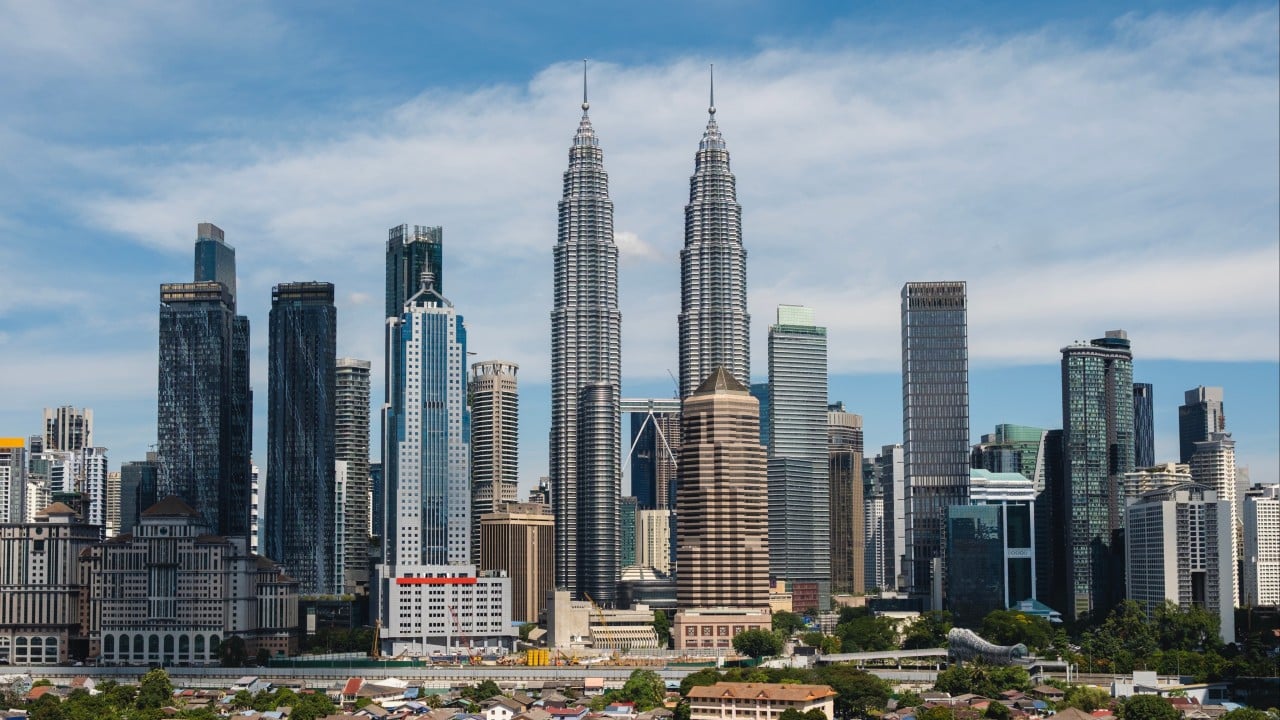
Malaysia is playing its cards beautifully. The development of the Johor-Singapore Special Economic Zone (JS-SEZ) is an absolute magnet for cost-sensitive businesses. Millions of workers commute across the causeway daily. Forward-thinking companies are cutting out the commute entirely by setting up their shared service centers, customer support networks, and human resources hubs right in Johor or Kuala Lumpur.
According to National University of Singapore business experts, the support functions, know-your-client (KYC) roles, and data operations are the first to cross the border. You keep your global face in Singapore, but your heavy engine runs on Malaysian Ringgit.
Indonesia's Digital and Tech Hubs
Jakarta and the emerging tech ecosystems in Batam offer an alternative escape hatch. Batam is geographically right next door to Singapore, boasting lower real estate costs and a massive, young workforce hungry for tech employment. For software development and digital product design, Indonesian hubs are no longer just cheap alternatives—they are highly competent tech clusters.
What Functions Should You Move First
If you want to save your business from the Singapore cost crunch without sacrificing your corporate credibility, you need a precise unbundling strategy. Do not guess. Do not move your team all at once.
| Function | Keep in Singapore? | Move to Region? | Strategy |
|---|---|---|---|
| Legal & IP Holding | Yes | No | Keep your legal foundation under Singapore's strict rule of law. |
| C-Suite & Leadership | Yes | No | Keep your core decision makers facing global clients in the city. |
| Customer Care & HR | No | Yes | Shift these completely to Malaysia to cut wage costs by 50% or more. |
| Software & Tech Engineering | Partial | Yes | Keep product managers in Singapore; scale dev teams in Indonesia/Vietnam. |
How to Execute a Regional Rebalance
Stop overthinking the logistics of regional migration. If your company is bleeding cash on Singapore overhead, take these three practical steps immediately to stabilize your balance sheet.
1. Audit Your Headcount Footprint
Look at your current payroll. Identify every single role that does not require face-to-face interaction with global investors or regulators. If a role is entirely screen-based—like data entry, accounting, digital marketing, or QA testing—it shouldn't be costing you premium Singapore office rates.
2. Establish a Borderless Hub-and-Spoke System
Do not close your Singapore entity. It provides too much transactional trust, banking stability, and intellectual property protection to throw away. Instead, shrink your physical office lease to a co-working space or a smaller corporate footprint. Use the saved capital to establish a subsidiary or partner with an Employer of Record (EOR) service in Kuala Lumpur or Jakarta to hire regional talent instantly without setting up complex foreign corporate structures.
3. Up-skill Your Remaining Local Core
If you leave a skeleton crew in Singapore, those workers must bring massive value. The future of Singapore's domestic workforce relies heavily on soft skills, cross-border leadership, and AI integration. Shift your remaining local staff away from repetitive administrative workflows and transform them into high-value project managers who coordinate your regional teams.
The corporate entities that survive the inflation of the late 2020s won't be the ones that stubborn stay put out of pride. They'll be the agile operations that use Singapore as a prestigious badge while letting the rest of Southeast Asia power their growth.
For a deeper look into how companies are managing this geographical shift and tackling regional expansion hurdles, check out this Insightful CNA Deep Dive Podcast on Regional Business Shifts, which highlights how businesses cope with rising local inputs by adjusting their regional footprints.