Summer heatwaves are no longer just an uncomfortable nuisance for humans; they have become a structural threat to the baseline survival of local wildlife. While urban centers pour billions into cooling centers and infrastructure adjustments for residents, the biological crisis unfolding in backyards, municipal parks, and greenways remains largely unmonitored. Wildlife affected by hot temperatures cannot retreat indoors, and the rapid pace of ambient temperature increases is outstripping their natural evolutionary coping mechanisms. Solving this requires more than just leaving out a bowl of tap water. It demands an understanding of urban heat islands, wildlife physiology, and the precise, low-intervention steps property owners must take to prevent localized ecological collapse.
The Invisible Thermally Induced Biological Collapse
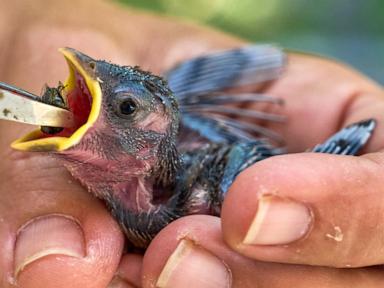
Animals possess intricate mechanisms to dump excess heat, but these systems fail when baseline temperatures refuse to drop overnight. Birds do not sweat. Instead, they rely on gular fluttering—rapidly vibrating their throat muscles and keeping their beaks open to evaporate moisture from their respiratory tracts. Small mammals like squirrels spread out flat against cool stone or soil, a behavior known as splooting, to maximize conductive heat transfer.
When the ambient temperature matches or exceeds an animal's core body temperature, these passive cooling mechanisms stop working. Evaporative cooling through panting or fluttering requires immense physical energy and rapidly depletes internal water reserves. This creates a compounding trap: the hotter the animal gets, the harder it works to cool down, accelerating dehydration and triggering organ failure.
Urban environments worsen this trap significantly. Asphalt, concrete, and dark roofing materials absorb solar radiation during the day and re-radiate that heat long after the sun goes down. This means urban wildlife faces a continuous, 24-hour thermal assault with no nocturnal cooling window to recover.
The Myth of Natural Adaptability
A common misconception among municipal planners is that wild animals will simply migrate to cooler areas when local conditions deteriorate. This ignores the rigid territorial boundaries governing most urban species. A family of foxes or a colony of bats cannot simply relocate three miles north to a cooler wooded park; those territories are already occupied, and attempting to cross fragmented urban landscapes forces animals onto hot asphalt and into the path of vehicular traffic.
Furthermore, human infrastructure actively disrupts traditional hydration networks. Natural creeks are routed into subterranean concrete culverts, wetlands are paved over, and seasonal puddles disappear under modern grading. The wildlife remains trapped in a high-heat zone stripped of the very water sources required to survive it.
The Disastrous Consequences of Well-Intentioned Help
When property owners notice distressed animals, the immediate impulse is to intervene actively. This often backfires. Approaching a heat-stressed animal induces a profound fight-or-flight response, forcing an already exhausted cardiovascular system to pump adrenaline and run. For a bird or small mammal on the brink of heatstroke, the mere presence of a human can cause fatal cardiac arrest.
The widespread practice of putting out deep, unmonitored water containers presents another hidden hazard.
[Common Water Source Pitfalls]
Deep Buckets     -> Drowning risk for small rodents and fledgling birds
Stagnant Bowls   -> Rapid mosquito breeding and avian disease transmission
Sun-Exposed Pans -> Water heats to scalding temperatures within hours
Deep water buckets or steep-sided plastic bins become death traps for small rodents, lizards, and fledgling birds that fall in while trying to drink and cannot climb back out. Similarly, leaving food or water in dirty containers under direct sunlight turns those stations into incubators for lethal pathogens like Trichomonas gallinae, a parasite that causes systemic disease in birds, or botulism bacteria that can wipe out local waterfowl populations.
Constructing a Functional Micro-Refuge
Mitigating this crisis requires low-intervention, high-utility alterations to private gardens and commercial properties. The goal is not to domesticate or tush wild animals, but to provide the basic physical resources they need to regulate their own temperatures safely.
Designing Low-Risk Hydration Stations
A safe water station must prioritize accessibility, depth control, and thermal protection. Instead of using deep bowls, use shallow, wide trays like concrete plant saucers.
The depth of the water should never exceed two inches. Place several large, rough-textured rocks inside the tray so they break the surface of the water. These stones serve as landing pads for bees, butterflies, and small birds, ensuring that any creature that slips into the water can immediately find footing and climb out.
Position these stations strictly in permanent shade, preferably beneath dense shrubbery or low-hanging tree branches. This keeps the water temperature cool and provides physical cover from aerial predators like hawks, which actively hunt around exposed water sources during dry spells.
Managing Stagnation and Disease Prevention
Water left sitting in summer heat turns toxic remarkably fast. To prevent the spread of disease and disrupt the breeding cycle of mosquitoes, you must commit to a strict maintenance schedule.
- Rinse and refill water stations daily using a high-pressure garden hose to dislodge biofilm.
- Scrub the containers weekly using a solution of nine parts water to one part household bleach.
- Rinse thoroughly after bleaching until the scent of chlorine completely dissipates before refilling.
- Avoid adding chemical water purification tablets, which can harm the sensitive digestive tracts of smaller wild animals.
Identifying True Wildlife Emergencies
Knowing when to step back and when to call professional rehabilitators is critical. An animal resting quietly in the shade or splooting on a cool patio is executing a valid survival strategy and should be left entirely alone.
Physical signs of true medical crisis include a complete lack of righting reflex, noticeable tremors, gasping with a wide-open beak while remaining immobile when approached, or thick discharge around the eyes and nostrils. For nocturnal animals like opossums, raccoons, or skunks, wandering aimlessly in direct afternoon sunlight is a strong indicator of severe disorientation caused by dehydration or heat stroke.
If you find an animal exhibiting these severe symptoms, do not attempt to force-feed it water or submerge it in ice. Forcing water into the mouth of an unconscious or semi-conscious animal often causes aspiration, sending fluid directly into the lungs and causing suffocation. Instead, place a cardboard box over the animal to secure it in a dark, quiet environment, and immediately contact a licensed wildlife rehabilitation center or local animal control authority.
Long-Term Urban Canopy Restoration
Relying solely on backyard water trays is a stopgap measure that addresses symptoms rather than the root cause. The long-term survival of urban wildlife requires a fundamental shift in how residential and commercial landscapes are managed.
Replacing manicured turf grass with multi-layered native plantings is the most effective way to lower local ground temperatures. Turf grass offers virtually no thermal protection and requires immense water input to stay alive. In contrast, a layered landscape consisting of native groundcovers, mid-story shrubs, and mature shade trees creates a dense, multi-tiered canopy that actively drops ambient ground temperatures by up to ten degrees through transpiration. These native plant communities also host the specific insect populations that young birds and mammals depend on for both nutrition and metabolic moisture during the harshest months of the year.