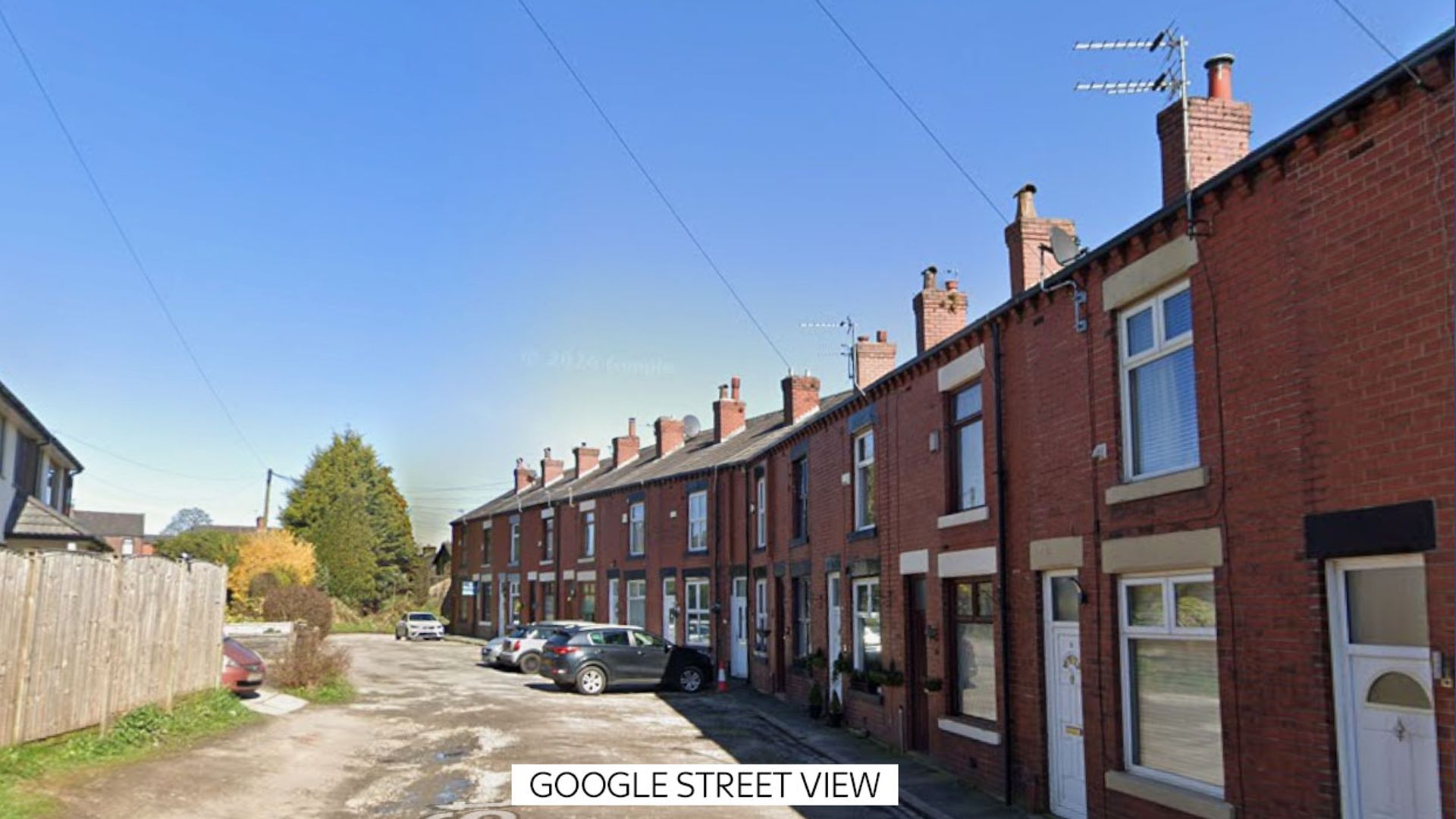
A single, devastating headline recently cut through the daily noise. A woman has been charged with murder following the death of a pensioner. In the immediate aftermath, standard police briefings dominate the wire, focusing on the names, the dates, the cold geography of a crime scene. But this tragedy does not exist in a vacuum. It represents the sharp, fatal edge of a much broader, quiet crisis occurring behind closed doors across our communities. When an elderly person dies under violent or negligent circumstances involving a caregiver or an associate, the justice system steps in to assign criminal blame, but the institutional safety nets have usually failed long before the first emergency call is placed.
To truly understand how a pensioner ends up as a statistic in a homicide investigation, we have to look past the courtroom arraignment. We must examine the severe strain on adult social services, the isolation of vulnerable seniors, and the critical gaps in community monitoring that allow toxic dynamics to escalate entirely unnoticed.
The Broken Infrastructure of Vulnerability
The public often views these incidents as sudden, unpredictable explosions of violence. The reality is almost always more tedious and far more tragic. It is a slow accumulation of pressure. In the vast majority of cases where a vulnerable older person becomes a victim of a severe crime within a domestic or care setting, there is a trail of breadcrumbs that went ignored.
The primary driver is the absolute fragmentation of social care infrastructure. Local authorities are systematically underfunded, meaning social workers are managing unfeasible caseloads. When a vulnerable adult is dependent on outside help, oversight is frequently reduced to a checklist completed during a rushed, bi-annual visit.
The Illusion of Oversight
Consider how the system tracks high-risk individuals. A pensioner living alone might have three different agencies involved in their life: a private home-care company providing meals, a local council representative managing their housing benefits, and a primary care physician managing their prescriptions.
In theory, this creates a web of security. In practice, these entities rarely communicate.
- Siloed Data: A care worker might notice a strange individual hanging around the property or spot unexplained bruising, but they lack a direct line to the social work team.
- Bureaucratic Inertia: Reports filed by external contractors often sit in digital queues for weeks before a case manager reviews them.
- High Turnover: The front-line staff interacting with pensioners change constantly due to low wages and burnout, meaning no one stays long enough to notice subtle changes in an elder's environment or mental state.
This lack of cohesion creates a vacuum. It is a space where predatory individuals can insert themselves into a pensioner’s life, gradually cutting them off from genuine support networks until it is too late.
The Anatomy of Exploitation
When a younger individual faces charges for the death of a pensioner, the relationship between the two is rarely straightforward. It is seldom a case of a random intruder breaking through a window in the dead of night. Far more often, the perpetrator is someone who had gained access to the home under the guise of being a friend, a romantic partner, or an informal carer.
This dynamic relies heavily on a process called coercive control and elder abuse nesting.
[Isolation from Family] ➔ [Financial Dependency] ➔ [Escalation of Physical Neglect/Abuse]
It begins with the targeted isolation of the senior. The perpetrator might convince the pensioner that their family only cares about their inheritance, or that neighbors are spying on them. Once the external world is shut out, the perpetrator gains control over the victim's finances and daily routine.
Why the Victim Stays Silent
An outsider looking in might ask why the pensioner didn't call for help. This question misjudges the psychological reality of dependency. An elderly person facing declining mobility or cognitive function is often terrified of the alternative: being forced into an institutional care home.
Perpetrators exploit this fear. They present themselves as the only barrier between the pensioner and a stark hospital ward. The victim will actively hide injuries, make excuses for missing money, and defend their abuser to the few officials who do cross the threshold. The fear of losing their independence outweighs their fear of the immediate abuse. By the time the situation escalates to severe physical harm or death, the victim has been entirely silenced by their own survival mechanisms.
Flaws in the Criminal Justice Response
The failure of accountability does not end when the police arrive. The legal system itself is fundamentally ill-equipped to handle crimes against elderly populations with the nuance required.
When a standard homicide investigation begins, forensic teams look for clear, definitive evidence of intent and physical trauma. However, when dealing with a deceased pensioner, the waters are immediately muddied by pre-existing medical conditions.
The Forensic Evaluation Hurdle
A prosecutor attempting to secure a murder conviction faces immense difficulty proving that an action—or a deliberate lack of action—was the sole cause of death. If an elderly person suffers from severe heart disease, diabetes, or frailty, a defense attorney can easily argue that natural causes played a primary role, even if the victim was subjected to horrific neglect or physical stress in their final days.
"The law struggles with the concept of accelerated mortality. If an act of abuse shortens a fragile person's life by six months, proving murder beyond a reasonable doubt becomes a monumental legal challenge."
💡 You might also like: The Glass Border and the Ghost of the Great Plains
Consequently, many cases that should be prosecuted as murder or corporate manslaughter get downgraded to lesser charges like fraud, theft, or willful neglect. This downgrading sends a dangerous signal to the community. It implies that the termination of a vulnerable life carries a lower tariff if the victim was already near the end of their natural lifespan.
Redefining Community Vigilance
Relying purely on state intervention to fix this crisis is a pipe dream. The funding is not coming, and the structural reforms required to unify social and medical care will take years, if not decades, to implement. The immediate defense against these tragedies must shift back to the community level, but not through passive awareness campaigns.
We need a structural change in how local neighborhoods interact with isolated residents.
Postal workers, delivery drivers, and local shopkeepers are often the true front line of defense. They notice when a pensioner stops coming to the corner store, or when an unfamiliar car is parked permanently in a driveway that used to be empty. Yet, there is no formalized, simple mechanism for these citizens to report anomalies without triggering a heavy-handed police response or getting tangled in data-privacy regulations.
Developing localized, informal alert networks that allow community members to flag welfare concerns directly to localized, rapid-response charity groups—rather than overburdened emergency services—could bridge the gap between complete neglect and a police raid.
The arrest of an individual following a pensioner's death is not a triumph of the justice system. It is a stark reminder of a collective failure. Every time a murder charge is brought in these circumstances, it means a vulnerable human being spent their final moments trapped in a nightmare that society chose not to see.


