The Architecture of Memory
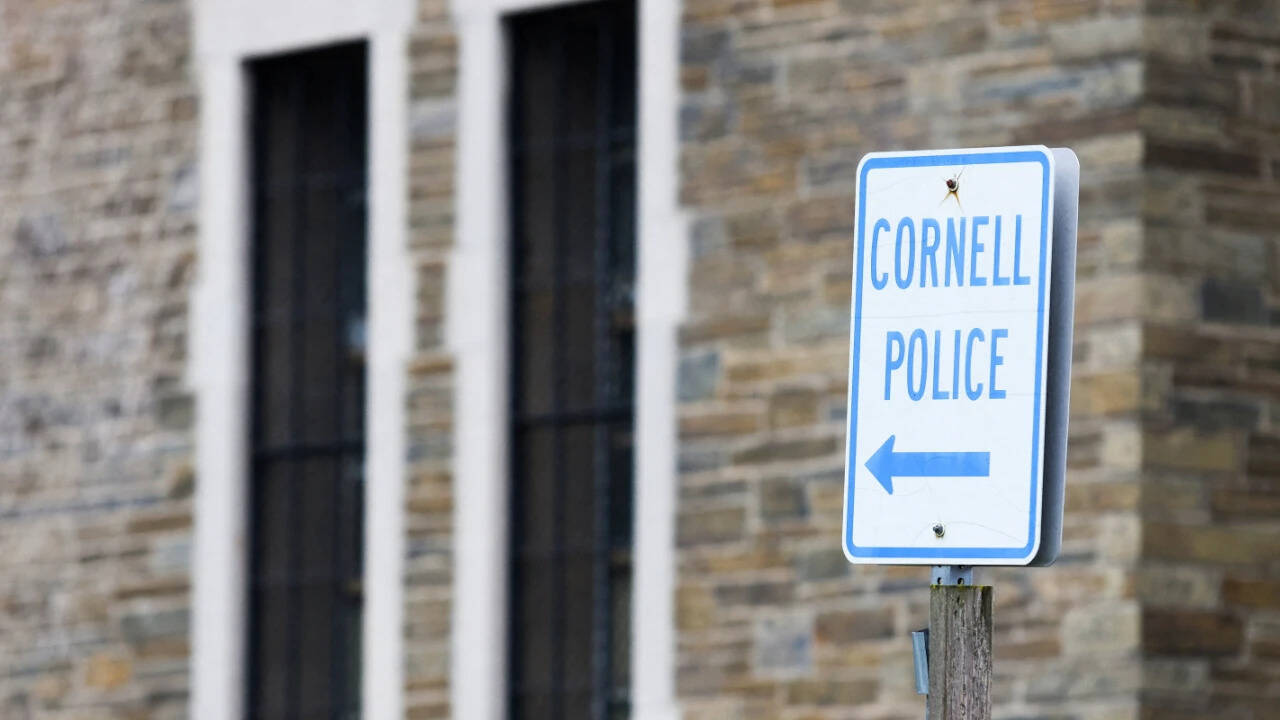
Ithaca is a city built on vertical extremes. Deep gorges slice through limestone, roaring with snowmelt or whispering through summer moss, while grand stone halls sit high upon the hills, surveying the valleys below. It is a terrain designed for permanence. The masonry of Cornell University looks eternal. It looks unshakeable.
Yet stone can hide fractures.
When an investigation into a violent campus crime—one whispered about in dorm rooms and buried under layers of legal maneuvering—suddenly reopens, the illusion of permanence shatters. Files that gathered dust in campus security offices and municipal archives are pulled back into the fluorescent light. Names once spoken only in hushed tones are dragged back into public view.
Time does not heal everything. Sometimes, time merely waits.
To understand why a case of this magnitude stirs back to life after years of institutional inertia, one must look beyond the sterile headlines of police blotters and court filings. We must look at the human cost of unresolved trauma, the grinding gears of bureaucratic accountability, and the quiet, persistent courage of individuals who refuse to let the truth remain buried in the dark.
The Weight of the File
Consider what happens when a report of sexual assault is made on a college campus.
Picture a cold October evening in upstate New York. The wind cuts off Cayuga Lake, sweeping up the steep slopes of the campus, biting through wool coats and freezing breath in the air. Inside a brightly lit office, a student sits across a desk from an investigator. Hands tremble around a paper cup of lukewarm coffee. Words come out in fragments, broken by pauses, heavy with shame and fear.
That is where the story begins for the survivor. But for the institution, too often, the story becomes a risk management calculation.
In the architecture of universities, defending the brand can subtly take precedence over discovering the truth. Legal teams assess liability. Public relations officers draft statements emphasizing support while quietly containing fallout. Administrative boards deliberate behind closed doors, wrapped in confidentiality agreements and procedural delays.
Weeks turn into months. Months turn into years. The student graduates, moves away, tries to build a life in a different city, carrying the memory of that night like a jagged stone in their pocket. The campus moves on. New classes arrive. Freshmen wander the arts quad, blissfully unaware of the ghosts haunting the old stone archways.
And then, the file is unsealed. New details emerge.
Why now?
Because silence has an expiration date.
The Mechanics of Reopening
In legal and investigative terms, reopening a dormant case is a rare and delicate maneuver. It does not happen on a whim. It requires a catalyst—a shift in evidence, a new witness coming forward, or a glaring light shined on institutional failures that makes inaction legally or morally untenable.
When investigators review old evidence with fresh eyes, assumptions are tested. What was once dismissed as a simple disagreement or swept aside as campus rumor is re-examined through the lens of modern investigative standards and a deeper understanding of trauma responses. We know now, with the backing of psychological science and neurological research, how the brain reacts to extreme terror. Freezing, dissociation, delayed reporting—these are not signs of fabrication. They are survival mechanisms.
Yet, for years, institutional systems were built to weaponize those very responses against survivors. If a victim waited weeks to report, it was used to question their credibility. If they maintained contact with an assailant out of fear or confusion, it was painted as consent.
The reopening of the Cornell investigation signals a crack in that old armor. It suggests that the evidence—or the pressure of unaddressed truth—has finally grown too heavy to ignore. Historical patterns of institutional avoidance are colliding with a new era where public scrutiny and legal standards demand rigorous accounting.
The Invisible Stakes
Every university campus is a microcosm of society, complete with its own class structures, power dynamics, and tribal loyalties. Within elite institutions, prestige acts as a protective shield. Wealth, legacy donations, and academic renown create an ecosystem where powerful actors are often granted the benefit of the doubt, while the vulnerable are left to navigate the aftermath alone.
When a gang-rape allegation surfaces—and especially when it resurfaces after years of quiet suppression—the stakes extend far beyond the specific individuals involved.
It forces an entire community to look in the mirror.
Students walking across the Arts Quad today are not merely attending lectures; they are participating in a living history of institutional ethics. When they read about the reopened case on their phones between classes, sitting on the stone benches outside Uris Library, they are confronted with a sobering reality: safety is not guaranteed by ivy-covered walls or prestigious crests.
Justice requires friction. It requires tearing down the comfortable illusions that protect powerful institutions at the expense of human lives.
Consider the psychological burden carried by those who whisper about these events. In dorm rooms lit by the blue glow of laptops, young adults grapple with cynicism and hope in equal measure. They wonder if speaking out matters. They watch to see how the adults, the administrators, the prosecutors, and the judges handle a case that tests the boundaries of accountability.
If the system folds, cynicism wins. If the system digs deep, confronts uncomfortable truths, and pursues accountability without fear or favor, a tiny sliver of trust is restored.
The Anatomy of Institutional Courage
Institutions do not have souls. People do.
Behind every headline about a reopened investigation are human beings making agonizing choices. There is the investigator who refuses to let a cold case stay cold, working late hours in a quiet office while the rest of the university sleeps. There is the advocate who sits across from survivors year after year, holding space for their pain without burning out.
And, most of all, there is the survivor.
Coming forward once is an act of staggering bravery. Coming forward again—or watching an old nightmare dragged back into the public eye when you have fought tooth and nail to build a semblance of peace—requires a level of fortitude that most people cannot fathom.
To reopen a case is to ask a survivor to relive their worst moment. It demands that they step back into the arena, exposing themselves to public scrutiny, skepticism, and the brutal glare of media attention.
Why do they do it?
Because silence protects the abuser, never the abused. Because the desire for truth outlasts the desire for comfort. Because somewhere beneath the polished reputation of an elite university lies a fundamental debt that must be paid to justice.
Beyond the Headlines
As the investigation at Cornell unfolds, the media cycle will inevitably churn through its usual phases: shock, speculation, indignation, and eventual fatigue. Pundits will debate legal technicalities. Social media feeds will flood with hot takes and polarized arguments.
We must not lose sight of the human core beneath the noise.
This is not a theoretical exercise in criminal procedure. It is a reckoning. It is a reminder that no institution is too grand, no campus too picturesque, and no history too ancient to escape the light of accountability.
The gorges of Ithaca run deep, carved over millennia by relentless water cutting through unyielding rock. Change, too, is carved slowly. It is forged through endurance, through the refusal to be silenced, and through the courage of those who demand that truth be brought to the surface, no matter how long it has been buried in the dark.
The water keeps flowing. The stone remains. And the truth, once uncovered, cannot be put back in the ground.