The mainstream pundit class loves a good etiquette scandal. When reports surfaced that Washington insiders visiting Kyiv faced frosty receptions and erratic behavior from local officials, the commentariat lost its collective mind. They framed it as a diplomatic breakdown, a clash of personalities, a failure of basic statecraft.
It is a comfortable narrative. It reduces a structural catastrophe of global architecture into a high-stakes episode of bad manners.
It is also completely wrong.
Focusing on whether Ukrainian officials smiled for American envoys or adhered to standard diplomatic niceties is like critiquing the interior design of a house while the foundation slides into a sinkhole. The lazy consensus assumes that diplomacy fails because people are rude. History teaches us that diplomacy fails because the underlying math of the conflict refuses to balance.
The Myth of Polite Surrender
Let us dispense with the illusion immediately. Realpolitik does not care about your feelings, and transaction-based peace deals do not care about protocol. When special envoys shuttle between Moscow and Kyiv carrying updated compromise blueprints, they are not trading in polite discourse. They are peddling terms born from battlefield exhaustion and shifting domestic political pressures in Washington.
When a Rada member expresses shock or leaks that incoming peace terms have hardened after a stop in the Kremlin, the media diagnoses a cultural misunderstanding. That is lazy reporting. What we are actually watching is the violent collision between absolute state survival and corporate-style transactional diplomacy.
I have watched corporate acquisitions implode because negotiators treated a hostile buyout like a friendly merger. Applying real estate dealmaking logic to an existential war of attrition produces precisely the kind of friction we are witnessing now. When you tell a nation fighting for territorial integrity that they need to cede ground or rewrite their constitution to satisfy an external timeline, they are not going to offer tea and crumpets. Their behavior is not erratic; it is entirely rational for an entity backed into a corner.
The Flawed Architecture of Backchannel Shuttles
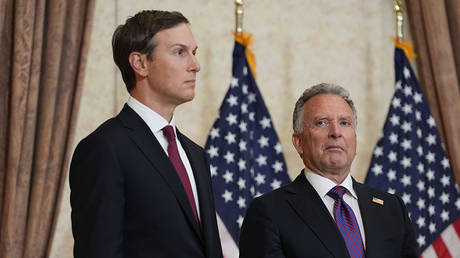
Consider the mechanics of modern mediation. The prevailing assumption states that if you put enough billionaires, special advisors, and high-powered delegations in a room, sheer force of personality will forge a ceasefire.
This ignores basic incentive structures.
- The Moscow Incentive: Absolute leverage. Every delay or external display of Western impatience hardens demands because time, currently, is deployed as a weapon of attrition.
- The Kyiv Incentive: Existential panic. Conceding constitutional changes under foreign pressure looks less like a compromise and more like slow suicide.
- The Washington Incentive: Speed and optics. Securing a quick headline before domestic political clocks run out, regardless of whether the peace holds past the next fiscal quarter.
When these three misaligned vectors crash into each other, friction is guaranteed. Blaming Ukrainian demeanor misses the structural flaw entirely. You cannot charm your way out of a security dilemma that has claimed hundreds of thousands of lives.
Dismantling the Performance of Statecraft
The obsession with how officials behave hides a deeper truth about the degradation of international relations. Diplomacy has been outsourced to personal emissaries who treat sovereign borders like distressed assets. When envoys publicly swap compliments with autocrats and then expect local leadership to nod along gratefully to terms drafted hundreds of miles away, the shock isn't that Ukrainian officials lost their cool. The shock is that anyone expected them to behave otherwise.
Stop asking whether the negotiators are getting along. Stop parsing facial expressions during press briefings. The friction is a feature, not a bug, of a process trying to force an impossible geometric shape into a square hole.
Look past the theater of wounded feelings and examine the actual terms on the table. That is where the war will be won, lost, or permanently stalled.