The Friction Point at Sea
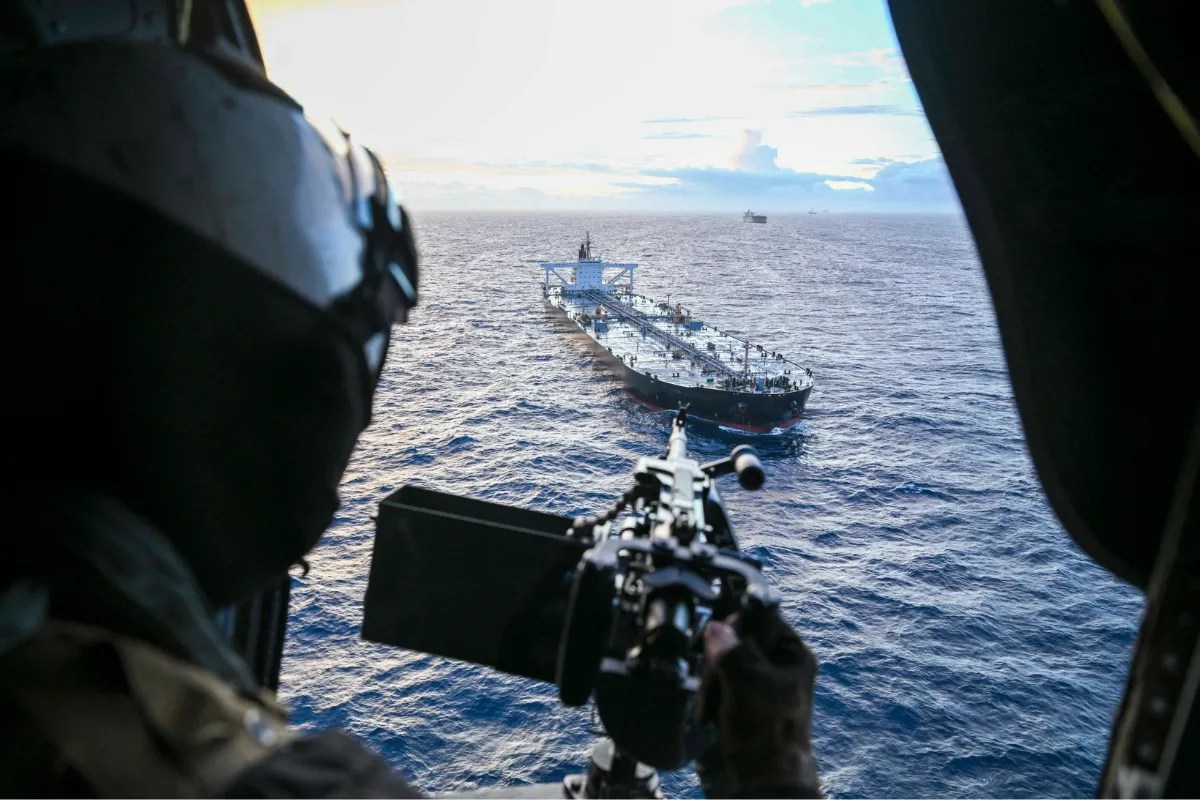
A U.S. naval intercept of an Iranian crude tanker in the Indian Ocean represents far more than a routine maritime enforcement action. It is the visible flashpoint of an escalating, multi-billion-dollar shadow war. While official reports frame these operations as isolated counter-smuggling victories, the reality on the water is vastly different. The Pentagon’s interdiction strategies are struggling to keep pace with a highly sophisticated, adaptive maritime black market. This confrontation highlights the systemic vulnerability of global energy chokepoints and the limits of Western naval power in deterring state-sanctioned oil smuggling.
The mechanics of this latest standoff reveal a deeply entrenched pattern of evasion. A heavily laden Suezmax tanker, flying a flag of convenience, suddenly went dark. It cut its Automatic Identification System (AIS) transponder while entering the northern Indian Ocean. This tactic, known as "going dark," is the first move in a high-stakes shell game. For days, the vessel vanished from commercial tracking networks, only to reappear riding significantly higher in the water. This physical change indicated that its multi-million-dollar cargo of sanctioned crude had already been transferred to another vessel. The U.S. military's intervention, while public relations-heavy, often occurs after the economic damage has already been done.
Anatomy of the Ghost Fleet
To understand why these interceptions rarely disrupt the broader flow of illicit oil, one must look at the structure of the "ghost fleet." This is not a ragtag collection of decaying barges. It is a highly organized, legally insulated armada of hundreds of aging tankers. They operate under a labyrinth of shell companies registered in jurisdictions that turn a blind eye to maritime regulations.
The primary weapon of this fleet is the Ship-to-Ship (STS) transfer. These operations frequently happen in international waters, far out of sight but well within the radar screens of regional powers.
[Sanctioned Source Vessel]
       │
       ▼ (Goes Dark: AIS Disabled)
[International Waters STS Transfer] ◄─── (Risky Mid-Ocean Maneuver)
       │
       ▼ (Blended / Relabeled Cargo)
[Receiving Ghost Tanker]
       │
       ▼ (Sold to Unaligned Markets)
During an STS transfer, two massive ships tether themselves together in the open ocean. This is a hazardous maneuver where a single spark or structural failure could trigger an environmental catastrophe. Millions of barrels of crude are pumped from the sanctioned vessel to a "clean" tanker. The receiving ship often carries documentation that misrepresents the origin of the oil, frequently labeling it as Malaysian, Omani, or UAE blend. By the time Western naval assets position themselves to intervene, the original cargo has been legally laundered. It is ready for delivery to refineries in East Asia that are eager for discounted energy.
The Mirage of Sanctions Enforcement
Washington relies heavily on economic sanctions to choke off funding for adversarial regimes. However, the enforcement mechanism at sea is fundamentally flawed. The U.S. Navy cannot act as a global maritime police force without risking major diplomatic or military escalation. Intercepting a sovereign-flagged vessel in international waters requires a high legal threshold, often involving specific intelligence regarding weapons proliferation or direct violations of UN mandates. When it comes to oil, the legal waters are muddy.
Furthermore, the economic incentives for defying these sanctions are too lucrative to ignore. Operators of ghost ships command freight rates that are significantly higher than standard market prices. This premium easily covers the cost of the aging vessel after just one or two successful voyages. If the U.S. Coast Guard or Navy seizes a cargo, the loss is absorbed by the network as a predictable cost of doing business. The financial architecture supporting this trade is insulated from the Western banking system. It relies on regional currency exchanges, barter systems, and dark-money networks that operate entirely outside the reach of SWIFT.
Regional Complicity and the Failure of Deterrence
The Indian Ocean is not a vacuum. It is a highly contested geopolitical arena where regional powers have little appetite for enforcing American mandates. For countries like India and China, securing cheap energy is a matter of national security that overrides Western foreign policy objectives. While New Delhi has diversified its energy imports, regional buyers continue to absorb discounted oil through third-party intermediaries. This trade keeps consumer prices stable and fuels domestic economic growth.
┌──────────────────────────────────────────────────────────┐
│             THE GHOST FLEET TAXONOMY                     │
├─────────────────┬────────────────────────────────────────┤
│ Vessel Condition│ Often over 15 years old, minimal       │
│                 │ maintenance, near end of service life. │
├─────────────────┼────────────────────────────────────────┤
│ Legal Shielding │ Registered via layered shell companies │
│                 │ in Panama, Liberia, or Gabon.          │
├─────────────────┼────────────────────────────────────────┤
│ Insurance Status│ Lacks standard P&I Club coverage;      │
│                 │ uses unrated, opaque insurers.         │
└─────────────────┴────────────────────────────────────────┘
This dynamic creates a profound dilemma for U.S. maritime strategy. If the Fifth Fleet aggressively increases its boardings and seizures, it risks alienating key trade partners and choking critical shipping lanes like the Strait of Hormuz or the Bab-el-Mandeb. If it stands down, the sanctions regime becomes toothless. This reality transforms highly publicized interdictions into political theater. They are designed to project strength while doing little to stem the daily flow of thousands of barrels of illicit crude navigating the global commons.
The Environmental Time Bomb
Beyond the geopolitical maneuvering lies an overlooked crisis. The ghost fleet is an environmental disaster waiting to happen. The vast majority of these tankers are nearing the end of their operational lifespans. They lack standard Protection and Indemnity (P&I) club insurance. This means that if a major collision or hull breach occurs during a dark mid-ocean transfer, there is no financial safety net to fund a cleanup operation.
National coast guards in the region are ill-equipped to handle a catastrophic oil spill in the middle of the Indian Ocean. A major spill would devastate marine ecosystems, ruin local fishing economies, and paralyze commercial shipping routes for weeks. Western policymakers remain focused on cutting off the financial lifeblood of foreign adversaries. In doing so, they are ignoring the reality that their current enforcement strategy is pushing these high-risk operations further into the shadows, directly increasing the likelihood of an ecological disaster.
The current approach to maritime interdiction is broken. Chasing individual tankers across millions of square miles of ocean is a reactive strategy that addresses the symptoms rather than the root cause of the problem. Until the international community addresses the flag registries that enable these vessels to sail and the financial networks that process the profits, the shadow fleet will continue to operate with near-impunity. One high-profile naval seizure does not change the structural reality of the global energy market.