The neon glow of Hennessy Road doesn’t reach the backroom. Outside, Hong Kong is a symphony of double-decker buses, clacking trams, and the relentless hum of seven million lives in motion. Inside, the air is thick with cigarette smoke and a heavy, suffocating silence.
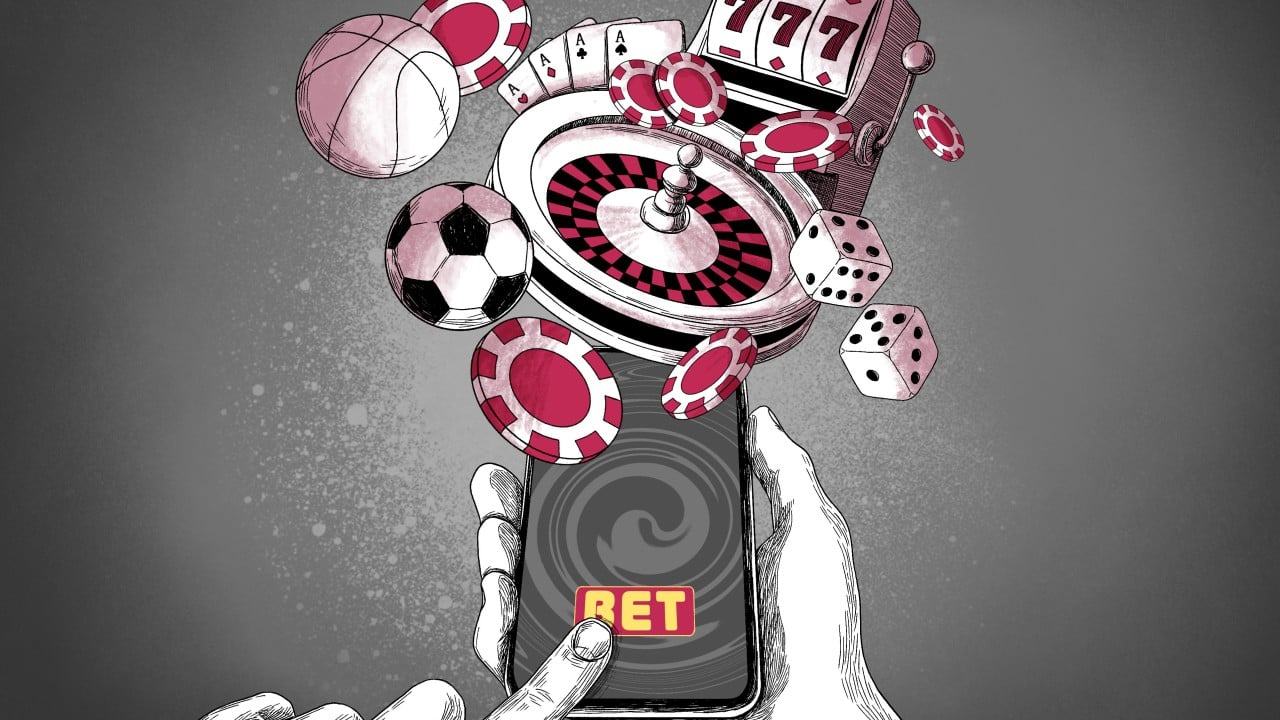
A man named Ah-Gor—not his real name, but the one he uses when the stakes are high—stares at a cracked smartphone screen. His thumb hovers over a digital betting slip. He is wagering on an English Premier League match happening thousands of miles away. If the bet lands, he clears his debt with a local loan shark. If it fails, the consequences move from financial distress to physical reality.
This is the hidden face of Hong Kong’s multi-billion-dollar underground economy. It isn’t defined by glamorous casinos or the historic prestige of the Happy Valley Racecourse. It thrives in dimly lit mahjong dens, encrypted messaging apps, and unregulated offshore websites.
The facts of illegal gambling are easy to find in police press releases. Authorities seize millions in cash every year. Raids make the evening news. But the numbers fail to capture the human gravity of the situation. They don't show how a harmless pastime morphs into a quiet catastrophe for thousands of families across the territory.
The Illusion of the Authorized Bet
To understand how a city becomes entangled in illicit betting, you have to look at the boundaries of the legal system. Hong Kong operates a strict, regulated monopoly on gambling. The Hong Kong Jockey Club holds the exclusive right to offer horse racing, football betting, and the Mark Six lottery. It is a system designed to contain the human impulse to wager, turning losses into public revenue that funds schools, charities, and community centers.
But restriction creates a vacuum.
Illegal bookmakers operate without the constraints of taxes, responsible gaming protocols, or identity checks. They offer what the legal market cannot: credit.
Consider how easily the trap snaps shut. In a legal venue, you need cash. If your wallet is empty, the game ends. Underground, the rules change completely. A bookmaker offers a line of credit based on a handshake or a mutual acquaintance. You bet with money you don't possess. The psychological barrier disappears. Winning feels like free money; losing feels like a problem for tomorrow.
Tomorrow always arrives.
Anatomy of the Underground Network
The modern illegal gambling syndicate looks less like a traditional street gang and more like a decentralized tech startup.
The operations are split into distinct tiers to evade law enforcement. At the top sit the mastermind syndicates, often operating from offshore jurisdictions where local laws are lax or non-existent. They deploy sophisticated digital platforms that mimic legitimate online brokerages.
Below them are the local agents—the human face of the operation. These are the recruiters who operate in neighborhood tea restaurants, public housing estates, and online chat groups. Their job is to find players, manage the local ledgers, and collect debts.
The technology has outpaced traditional policing. Cryptocurrencies and encrypted communication channels allow transactions to mirror standard online shopping or peer-to-peer transfers. A bet is placed in seconds through a messaging app. The money moves through a web of dummy bank accounts, laundered before the match even reaches halftime.
This digital evolution makes the practice accessible to demographics that historically never stepped foot inside a traditional gambling den. Teenagers on their phones in school yards and young professionals at office desks are drawn into the cycle by the promise of quick returns and the gamification of sports analytics.
The Invisible Toll on the Community
When a person loses everything to an illegal bookmaker, the damage radiates outward like a shockwave through a crowded apartment complex.
The financial pressure quickly transforms into psychological terror. Unlike commercial banks, underground syndicates do not send polite reminders or credit notices. Debt collection in Hong Kong’s illicit sector relies on intimidation. Red paint splashed across apartment doors. Relentless phone calls to family members, employers, and friends. The goal is total social isolation, forcing the debtor to find funds by any means necessary.
This pressure cooker environment drives individuals toward desperate measures. Petty theft, corporate embezzlement, and turning to high-interest loan sharks are common survival tactics. In the worst cases, the mental strain breaks people entirely, tearing families apart and leaving scars that no economic recovery can heal.
The irony is that the city itself loses alongside the individual. Millions of dollars that could fund public infrastructure, healthcare, and youth sports programs vanish into the shadow economy instead. The social safety net is forced to catch the fallout, stretching resources thin as addiction counseling centers and family support services struggle to cope with the demand.
The Limits of Enforcement
Law enforcement agencies engage in a perpetual game of cat and mouse. Police crackdowns intensify ahead of major international sporting events like the World Cup or the European Championships. Operational syndicates are dismantled, websites are blocked, and millions in illicit funds are frozen.
But the digital nature of the industry means a suppressed network can rebuild itself under a new domain name within hours.
True deterrence requires shifting the focus from cutting off supply to addressing demand. Educational campaigns aimed at youth, increased support for problem gambling rehabilitation, and a critical look at how legal options compete with the black market are essential pieces of the puzzle. Without addressing the underlying social and psychological drivers that push individuals toward the shadow tables, the cycle will continue unabated.
The screen on Ah-Gor’s phone dims, casting a faint reflection against the dark room. The match is over. The whistle has blown. For the syndicates operating in the shadows, it is just another successful transaction in a ledger that never stops growing. For the man in the Wanchai backroom, the real game is about to begin.