Thirty-seven thousand feet above the earth, a cabin is supposed to be a sanctuary of hums, dimmed lights, and sleeping passengers dreaming of arrivals. But on a flight cutting through the Middle Eastern sky toward Tel Aviv, that thin steel door meant nothing. Inside the flight deck, a routine journey tore open into a nightmare. An emergency crash axe, meant for breaking through fuselage panels during a crisis, became a weapon in the hands of a co-pilot.
Imagine the sudden chaos. The screams muffled by the cockpit door. The desperate scramble of passengers and crew members hurling themselves forward to overpower the attacker before gravity and terror could claim the aircraft. The pilot, Indian national Smit Machchhar, bled but survived, aided by a reserve pilot who managed to steer the plunging Boeing to safety. In similar news, take a look at: Stop Panic Buying The Black Sea Escalation Narrative.
Days later, the wreckage cleared, but the smoke in Washington thickened.
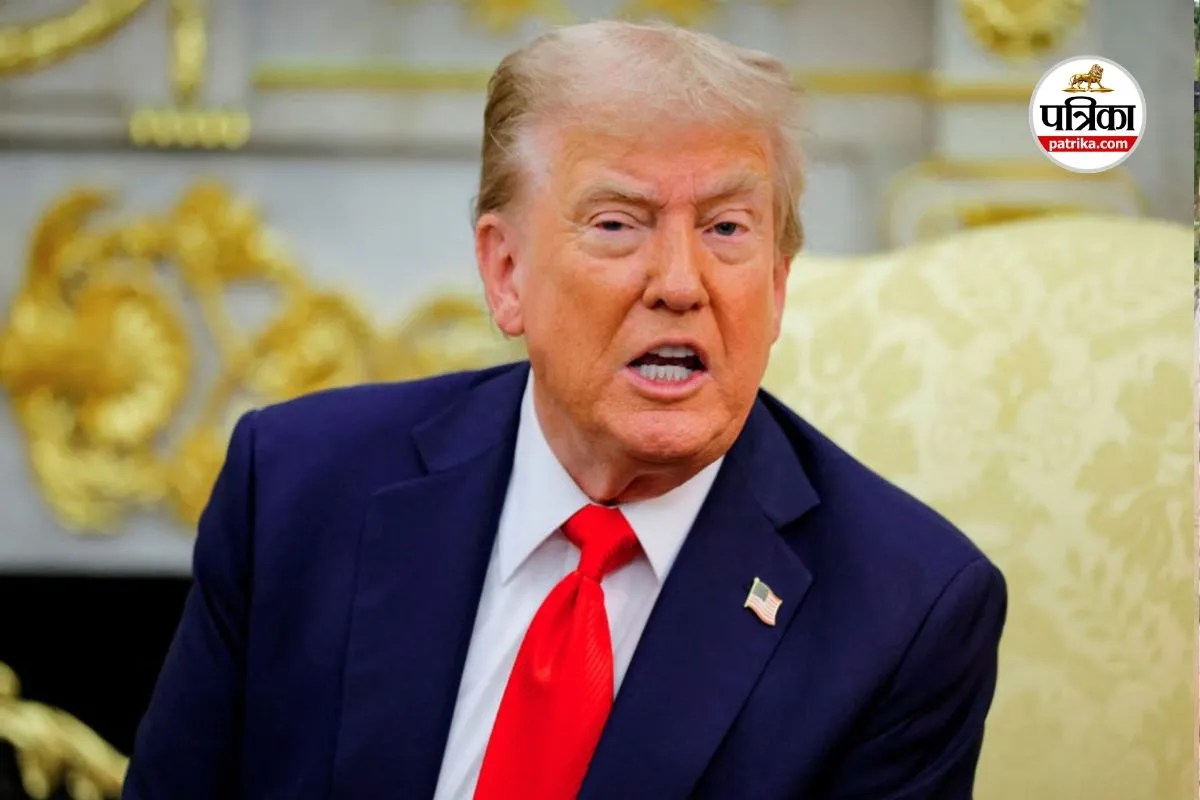
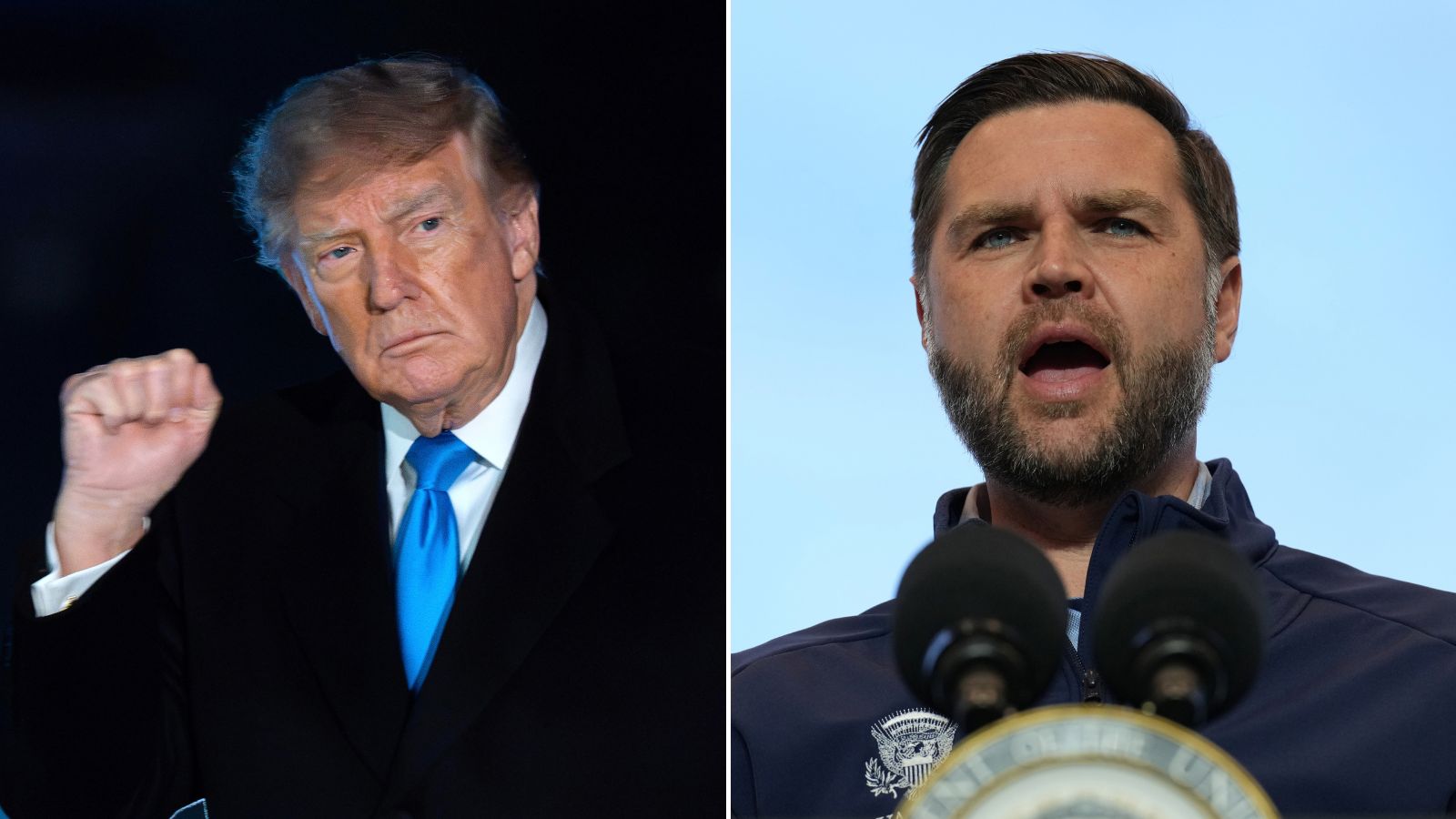
President Donald Trump did not hesitate. When asked about who pulled the invisible strings behind the cockpit attack on the flydubai flight, his answer was swift, sharp, and absolute. He believed Iran was behind it. No hesitation. No waiting for the ink on intelligence summaries to dry. "I do, I personally do," he told reporters, laying the blame squarely at Tehran's door. The Guardian has also covered this fascinating issue in extensive detail.
But step into the West Wing, and the temperature changes entirely.
Vice President JD Vance stood before the press with a very different cadence. Caution replaced certainty. When pressed on whether the Islamic Republic orchestrated the cockpit assault, Vance pulled back. He deferred to Central Intelligence Agency Director John Ratcliffe and the intelligence apparatus.
"I wouldn't say I've seen anything conclusive just yet," Vance admitted.
This is the strange geometry of modern geopolitics. At the very apex of global power, a public fracture appears in real time. One leader speaks from gut instinct, honed by years of viewing adversaries through a lens of perpetual threat. The other speaks from the bureaucratic trenches of counterintelligence, where a hunch is worthless until verified by encrypted intercepts and forensic paper trails.
The investigation into the Omani co-pilot, Hamam al-Hammami, reveals a chilling blueprint. Reports indicate the attack was not a sudden psychiatric break, but a plot hatched long before he ever put on an airline uniform. A year of planning. Training cycles. A deliberate choice of routes heading toward Ben Gurion Airport. When a commercial airliner is turned into a potential guided missile from within, the boundaries between a criminal act and state-sponsored terrorism blur into a grey fog.
For Trump, the dots connect themselves. Iran’s historical hostility toward Israel, combined with regional proxy wars, makes any sophisticated airborne disruption part of a broader tapestry of regional aggression. To the President, waiting for a smoking gun means ignoring the smoke already filling the room.
For Vance, the caution is structural. In the wake of the incident, the administration's scrutiny has turned inward as well, examining background checks, foreign pilot screening procedures in the United States, and the vulnerabilities of global aviation security. Rushing to judgment before the intelligence community maps out financial flows or communications links risks diplomatic miscalculation.
Yet, the divergence between the President and his Vice President exposes a deeper tension. It lays bare the friction between political intuition and evidentiary proof. When a lone man with an axe tries to bring down a plane carrying more than 170 souls, the world demands an immediate villain.
The plane landed safely. The suspect is locked away in a UAE cell. But the questions left behind are heavier than the aircraft itself.
Who trained him? Who funded him?
Until those answers emerge from the classified vaults, Washington remains divided by a gulf of interpretation. One side sees an undeniable act of state war. The other sees a puzzle still missing its final pieces. And down below, millions of travelers look up at the contrails crisscrossing the sky, wondering how secure that thin cockpit door really is.
This video provides an overview of the flydubai cockpit attack and the conflicting statements from U.S. leadership regarding potential foreign involvement.