The coffee in a Warsaw safe house tastes different than anywhere else on earth. It is dark, bitter, and thick enough to coat the tongue long after the ceramic cup has hit the table. For an American citizen sitting quietly in a nondescript room thousands of miles from home, that taste is the flavor of borrowed time.
Quiet. Then, the heavy click of a latch.
Intelligence work rarely looks like the movies. There are no cascading green computer codes or glass-paned penthouses overlooking neon skylines. Instead, it looks like a cramped briefing room lit by the harsh hum of fluorescent tubes, where men and women in plain wool coats look at blurry photographs of ordinary streets. They look at a target. They look at a schedule. They look at a threat that originated thousands of miles away in Moscow and stretched its long, skeletal finger deep into the heart of Central Europe.
An American life was marked for termination. And only a razor-thin margin of counter-intelligence brilliance stopped the clock from running out.
The Anatomy of a Long Reach
We often speak of borders as if they are physical absolutes. A yellow line on a map, a customs booth, a passport stamped with ink that fades in the rain. But to modern state-sponsored operatives, borders are porous suggestions.
Consider what happens when a government decides a single voice is too loud to tolerate. It does not matter if that voice resides in a quiet suburban cul-de-sac or a bustling European café. The machinery of state elimination moves with cold, administrative precision. Funds are funneled through shell accounts. Local assets are recruited—often criminals with heavy debts or mercenaries looking for a payday. Surveillance is mounted. Patterns are studied. The target buys groceries, walks the dog, answers emails, entirely unaware that a invisible net is tightening around their daily routine.
The intended victim in this scenario was an American citizen living abroad, someone whose work had drawn the quiet ire of the Kremlin. To understand the gravity of the plot thwarted by Polish authorities, one must first look past the diplomatic cables and into the raw mechanics of modern transnational violence.
State-backed targeting of dissidents, journalists, and perceived enemies outside a nation's borders is not a relic of the Cold War. It is an ongoing, evolving war of shadows. When a foreign intelligence service targets an individual on foreign soil, they are testing more than just the security posture of the host country. They are testing the limits of impunity. They are asking a silent question: How much can we get away with before someone notices?
Poland noticed.
Inside the Shield
Warsaw sits at a jagged historical fault line. For centuries, empires have surged across its plains, leaving behind a profound institutional memory of what happens when foreign powers operate with impunity. Because of this geography, Polish security services—specifically the Internal Security Agency, or ABW—maintain a posture of relentless vigilance. They do not wait for tragedy to knock on the door; they listen for the faint scratching of the lock.
Details released following the operation revealed a chillingly methodical approach by the conspirators. The plot was not a haphazard street mugging disguised as an accident. It was a coordinated, multi-layered operation designed to eliminate the target with maximum deniability for the sponsors in Moscow.
Surveillance teams tracked the American's movements across European transit hubs. Local operatives were lined up to execute the physical assault or poisoning. Every logistical hurdle—from secure communication channels to extraction routes—was meticulously planned.
Yet, modern espionage leaves digital and human footprints. A phone call routed through an unusual node. A stranger asking too many questions at a local rail station. A sudden influx of untraceable cash moving through regional bank accounts. To the untrained eye, these are isolated static noises in a chaotic world. To counter-intelligence analysts, they are frequencies that form a distinct, blaring alarm.
When Polish counter-intelligence intercepted the communications and mapped the network, the window to act narrowed to a matter of hours. The operation to arrest the conspirators required absolute synchronization. Move too early, and the higher-ups vanish into diplomatic immunity or across unmonitored borders. Move too late, and an American citizen dies in a quiet European alleyway.
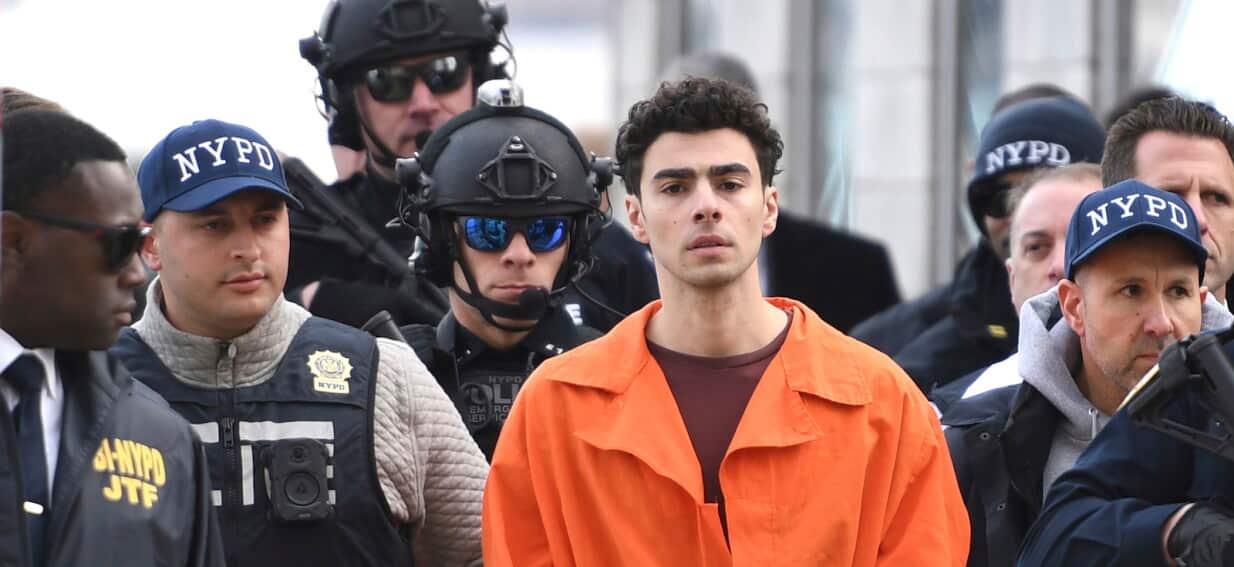
The raids were swift. Doors splintered under the weight of tactical gear. Laptops, burner phones, and encrypted hard drives were seized before their contents could be wiped remotely. The local assets were rounded up, staring in disbelief at the sudden collapse of a conspiracy they believed was invisible.
The Cost of Visibility
We live in an era that treats digital safety as a given and physical safety as an afterthought. We tap our screens, send our messages, cross international lines, and trust that the vast architecture of modern civilization will keep us from harm.
When that illusion shatters, the silence that follows is deafening.
For the American citizen whose life was saved by this intervention, the world changed overnight. Every shadow now carries a different weight. Every unfamiliar face on the sidewalk becomes a question mark. Safety, once an invisible blanket, reveals itself to be a fragile construct maintained entirely by the sleepless vigilance of people whose names will never make the history books.
This incident is more than a single thwarted crime. It is a stark reminder of the invisible wars fought daily across our globalized landscape. While headlines focus on grand geopolitical summits and economic tariffs, the real battle often unfolds in damp European streets, where intelligence officers race against the clock to protect human lives from the reach of authoritarian vengeance.
The plot failed. The target survived. The coffee in the Warsaw safe house grew cold, untouched, as the reality of what almost happened settled over the room like heavy fog.
Somewhere far to the east, a ledger was closed without its intended entry. And out in the vast, interconnected world, an ordinary person woke up to a sunrise they had almost been denied, walking forward into a day bought and paid for by strangers in the dark.